

Most patients searching for porcelain teeth in Yenibosna aren’t just looking for a clinic. They’re trying to figure out whether the treatment actually suits their case, how long it’ll last, and whether the quoted price reflects what they really need. That’s a sensible way to approach it. Porcelain work is permanent in a way few dental treatments are, and the decision deserves more than a quick comparison of before-and-after photos on a website.
Why Yenibosna Has Become a Practical Choice
Yenibosna sits close to Atatürk Airport, and the metro line connects it to the rest of Istanbul within minutes. For international patients, that matters. You land, you check in, you’re usually at the clinic the same afternoon. Clinics in the area have adapted to this rhythm. Treatment schedules are tighter, communication tends to begin well before the flight, and planning happens remotely whenever possible.
Table of Contents
The district has quietly grown into a dental-care hub. Not flashy, but functional.
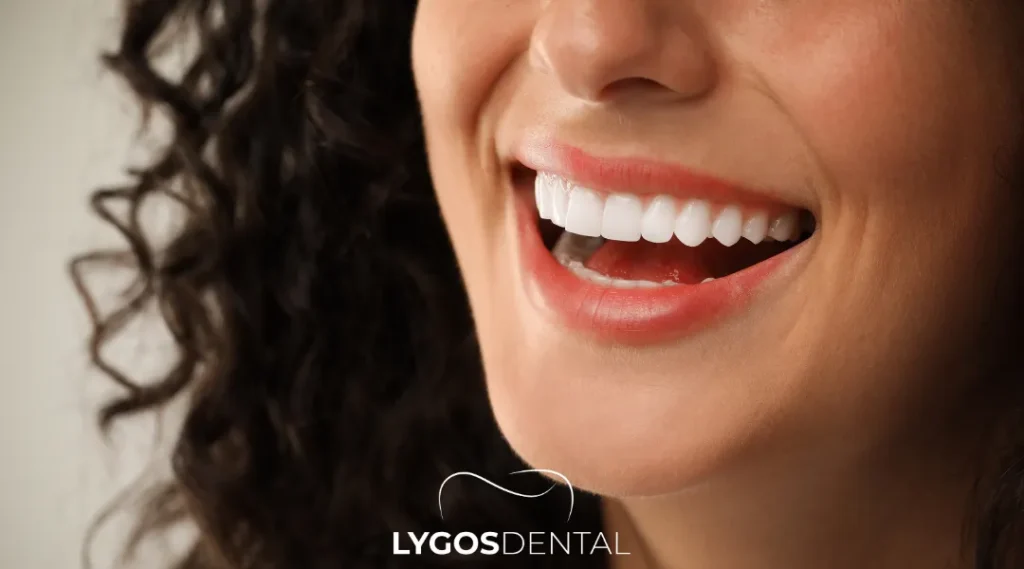
What Porcelain Teeth Actually Offer
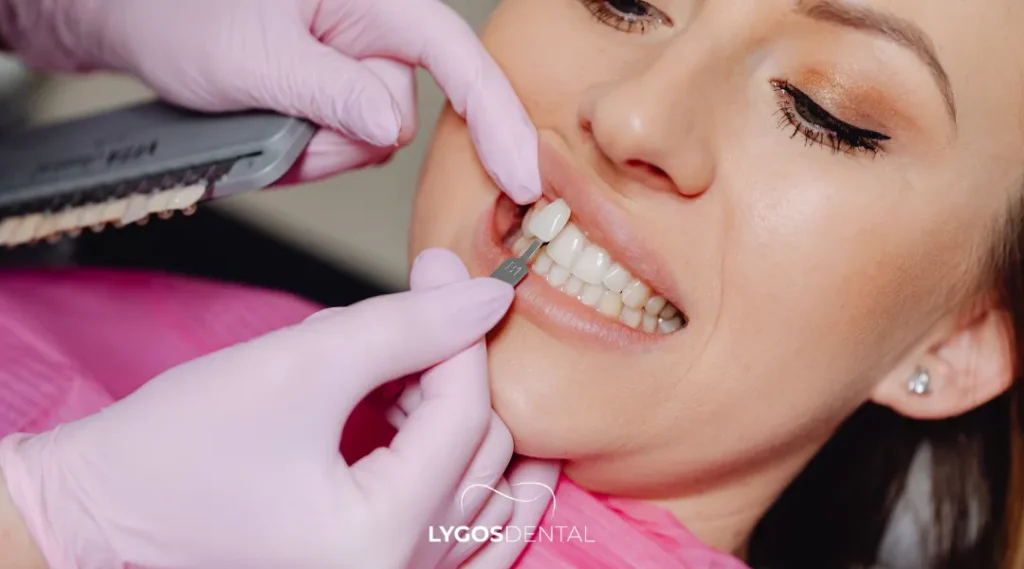
Porcelain restorations come in two main forms: crowns and veneers. Both use ceramic material, but the intent is different. A crown covers the full tooth. A veneer covers only the front. The decision depends on the tooth’s condition, not on the patient’s preference.
Porcelain is chosen for a few practical reasons:
- It reflects light in a way similar to natural enamel.
- It resists stains from coffee, tea, red wine, and tobacco.
- It holds its shape and colour for years when the fit is precise.
- It integrates cleanly with the gum line once the edge is polished.
Good porcelain work looks unremarkable. That’s the point.
Crowns and Veneers Aren’t Interchangeable
A common mistake is assuming veneers can fix everything. They can’t. If a tooth is heavily decayed, root-canal-treated, or fractured, a veneer simply won’t provide enough structural support. A crown does. On the flip side, grinding down a perfectly healthy tooth for a crown when a veneer would suffice is unnecessary damage. Planning matters more than the material itself.
How Lygos Dental Structures the Planning Phase
At Lygos Dental, the first step is usually a digital evaluation rather than a chair-side quote. The team reviews x-rays, intraoral photos, and bite information before proposing a treatment path. For international patients, this happens online. The idea is simple: the patient should know what’s planned before booking a flight.
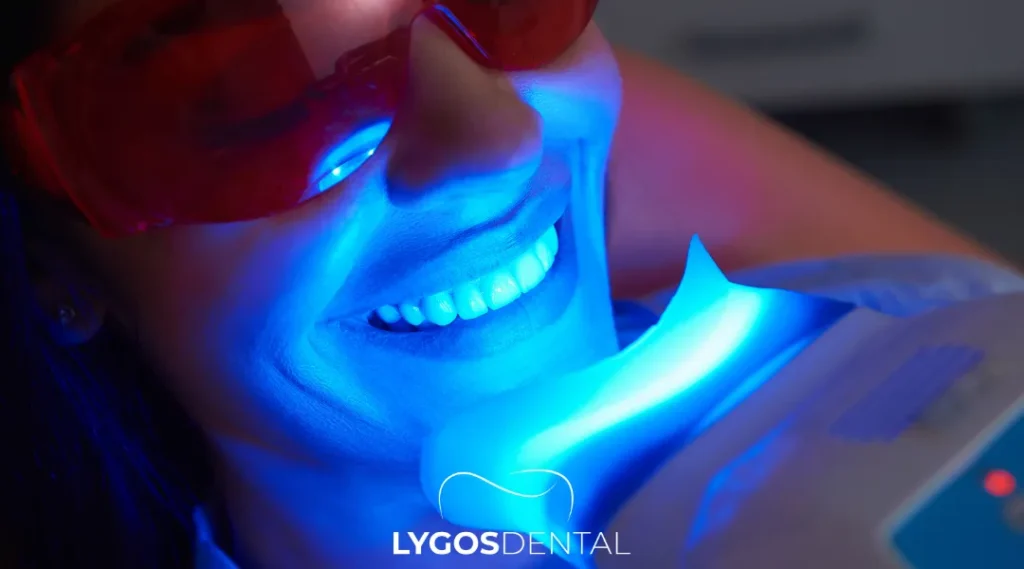
Smile design software is used to preview the expected outcome. It isn’t a marketing tool. It’s a conversation starter, a way to confirm shade, shape, length, and edge position before anything is actually prepared.
The Treatment Journey, Step by Step
A typical porcelain treatment in Yenibosna unfolds over five to seven days for international patients. Here’s how it tends to go in practice:
- Remote consultation and document review.
- Arrival in Istanbul and in-person examination.
- Tooth preparation and digital impressions.
- Temporary restorations while the lab produces the permanent set.
- Try-in, fine-tuning, and final cementation.
- Post-treatment guidance and a follow-up channel for questions once you’re home.
Some cases need adjustments between the try-in and the final bonding. Skipping that step is where cheaper clinics cut corners.
What Actually Affects the Price
Patients often ask for a flat figure. But the honest answer depends on several variables: the number of teeth involved, the ceramic brand, whether crowns or veneers are indicated, and whether any underlying treatment (root canals, gum work) is required first. A full upper arch costs considerably more than four front veneers, and that gap isn’t arbitrary.
Expect pricing in euros for international treatment. Ask for a written plan that breaks down each unit rather than a single bundled figure. Transparency at this stage prevents awkward disagreements later.
Mistakes People Make Before Committing
A few patterns come up again and again:
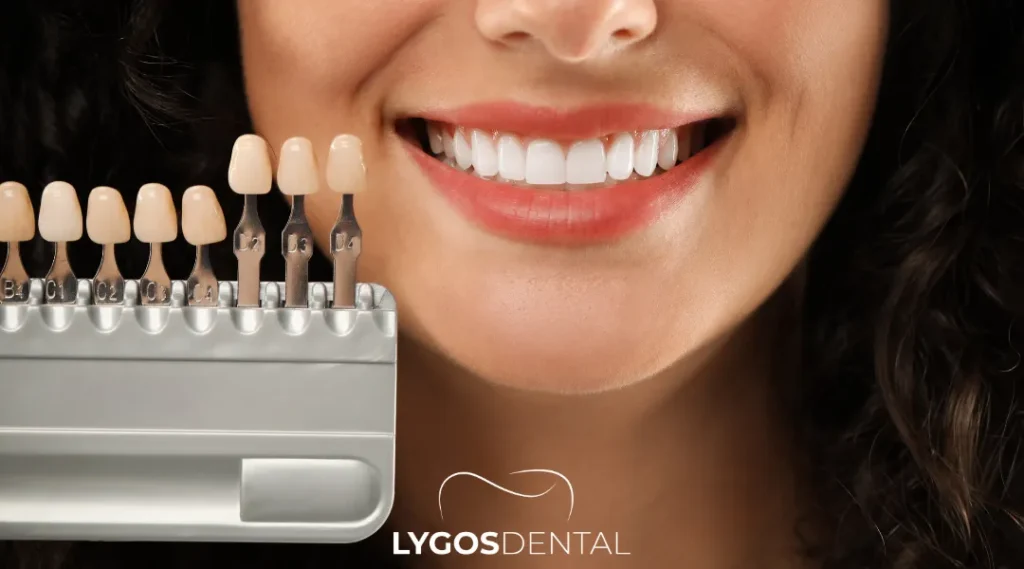
- Choosing the brightest shade available. It rarely looks natural on camera or in daylight.
- Ignoring bite issues. Porcelain fitted over an unbalanced bite tends to chip within a year or two.
- Skipping the temporary phase. That stage is where shape and length are really tested.
- Comparing clinics only by price. Lab quality and ceramist skill matter as much as the dentist’s work.
None of this is obvious until you’re already mid-treatment. Which is exactly why the planning phase deserves more patience than most patients give it.
Are You a Good Candidate?
Porcelain treatment suits patients with healthy gums, a stable bite, realistic expectations, and no active decay. It doesn’t suit patients still growing, those with active gum disease, anyone expecting permanent whiteness without maintenance, or patients unwilling to commit to regular cleanings. A short online consultation usually clarifies this within a day. If a clinic agrees to treat you without asking for photos or x-rays first, that’s a signal worth pausing on.
Final Thoughts
Porcelain teeth aren’t a cosmetic shortcut. They’re a long-term commitment to a specific shape and shade, and the quality of the outcome depends heavily on who plans it. Yenibosna offers real logistical advantages for international patients, and clinics such as Lygos Dental have built their process around that reality: digital planning first, clear communication throughout, structured follow-up once you’re home, and a contact channel that doesn’t go quiet after the flight. The treatment is worth doing properly. It rarely pays to rush it.
FAQ
How long do porcelain teeth typically last?
With good oral hygiene and regular check-ups, porcelain crowns and veneers often last 10 to 15 years, sometimes longer. Bite balance and avoiding habits like nail-biting or ice-chewing make a real difference to their lifespan.
Can I complete porcelain treatment in one trip to Yenibosna?
In most cases, yes. A typical plan takes five to seven days from first examination to final fitting. Complex cases involving root canals or gum work may need slightly longer or a second visit.
What’s the cost difference between porcelain crowns and veneers?
Crowns generally cost more per tooth than veneers because they cover the whole tooth and require more lab work. The exact difference depends on the ceramic brand and the case. Ask for a unit-by-unit breakdown in euros.
Is Lygos Dental suitable for international patients who don’t speak Turkish?
Yes. Consultation, planning, and follow-up communication are handled in English, and the clinic's process is built around patients travelling from abroad. Most pre-treatment planning happens online before arrival.
Do porcelain teeth really look natural?
Well-planned porcelain work blends with the surrounding teeth and gum line. The natural look comes from getting the shade, shape, and edge right, not from choosing the brightest white available. Honest shade selection is what keeps the result believable.