

Wisdom tooth extraction in Izmir is a common oral surgery procedure to remove one or more of the third molars, performed by expert oral surgeons to prevent future dental complications.
Wisdom teeth, or third molars, are the last set of teeth to emerge, typically appearing between the ages of 17 and 25. While they can emerge without issue for some individuals, they frequently cause problems due to a lack of space in the jaw. This can lead to impaction, where the teeth grow at an angle or fail to fully erupt through the gum line. Addressing these problematic teeth through extraction is not just about relieving current pain; it is a crucial preventive measure to protect overall oral health. Neglecting an impacted wisdom tooth can result in infection, damage to adjacent teeth, and the formation of cysts.
Izmir has become a prominent destination for dental procedures, combining modern clinical standards with experienced oral surgeons. Patients seeking treatment here benefit from advanced diagnostic technology and treatment protocols that meet international standards. This guide provides a detailed overview of the wisdom tooth extraction process, from initial diagnosis to post-operative care, to help you make an informed decision about your dental health.
Table of Contents
Understanding Why Wisdom Tooth Extraction is Necessary
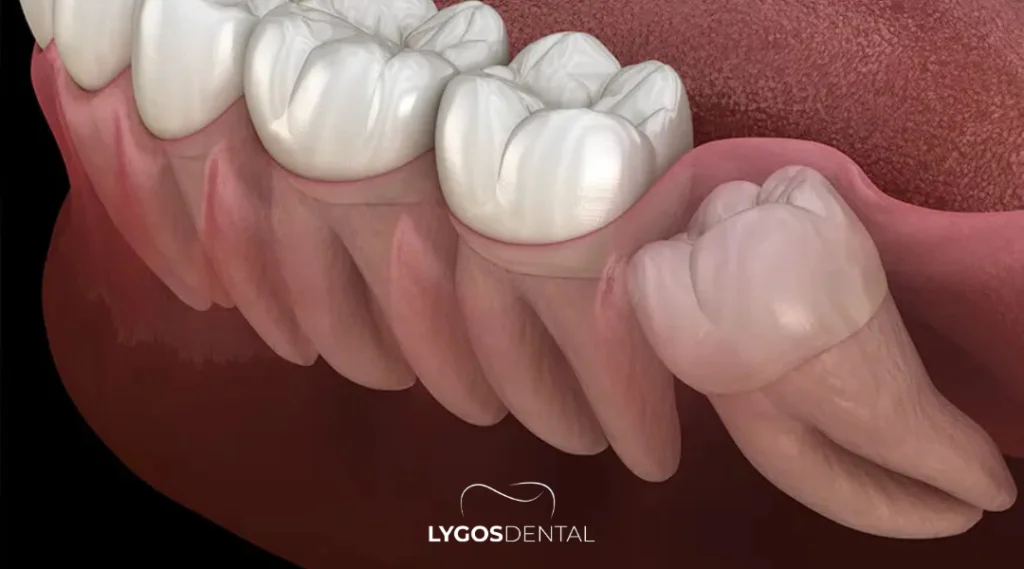
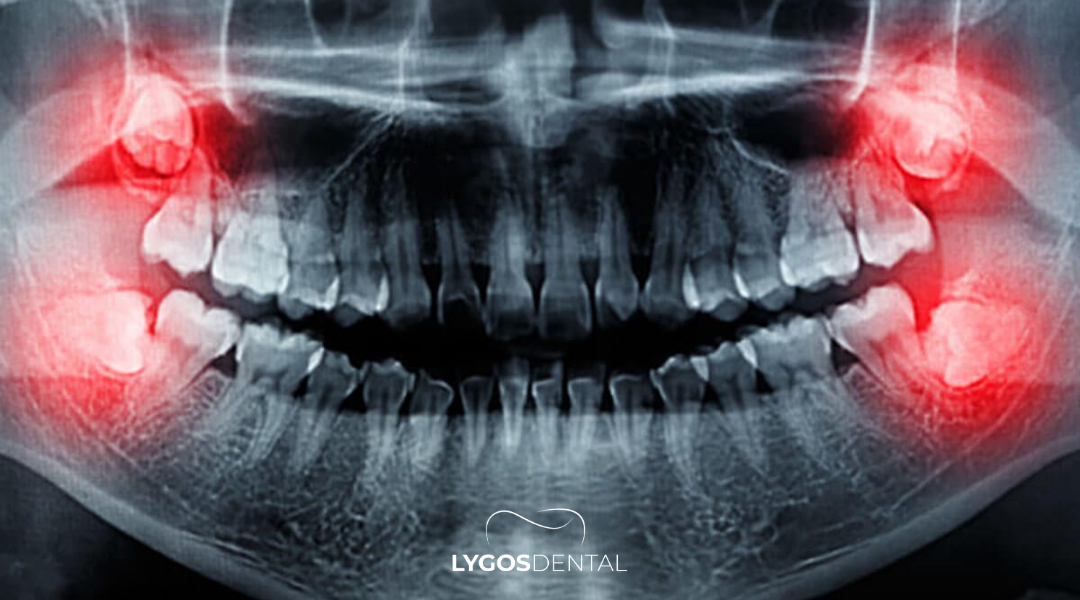
The primary reason for extracting wisdom teeth is impaction. An impacted tooth is one that is trapped in the jawbone or under the gums, unable to erupt into its proper position. There are several types of impaction, including mesial (angled toward the front of themouth), distal (angled toward the back), vertical, and horizontal. Each type presents unique challenges and potential complications. Mesial impaction is the most common and can exert pressure on the second molar, leading to cavities, root damage, or shifting of other teeth.
Impaction often leads to a condition called pericoronitis, which is the inflammation and infection of the soft tissue surrounding a partially erupted wisdom tooth. This occurs because the flap of gum tissue over the tooth can easily trap food particles and bacteria, creating an ideal environment for infection. Symptoms include swollen gums, pain, bad breath, and difficulty opening the mouth. If left untreated, the infection can spread to the throat or neck.
Another significant risk associated with impacted wisdom teeth is the development of cysts or tumors. The sac that surrounds the developing tooth can fill with fluid, forming a cyst that can expand and damage the jawbone, nerves, and nearby teeth. While less common, tumors can also develop from this tissue. Regular dental check-ups, including panoramic X-rays, are essential for early detection of these issues, making a timely wisdom tooth extraction in Izmir a critical step in preventing long-term damage.
The Wisdom Tooth Extraction Procedure: A Step-by-Step Overview
The process of removing a wisdom tooth is a structured surgical procedure performed by a dentist or an oral surgeon. It begins with a thorough examination and progresses through the surgery to post-operative care, ensuring patient safety and comfort at every stage.
Initial Consultation and Diagnosis
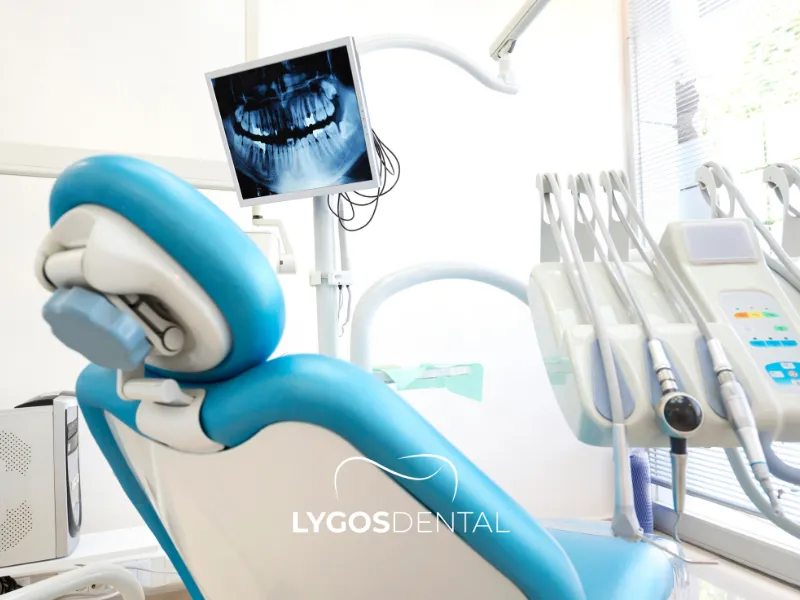
The first step is a comprehensive consultation. During this appointment, the oral surgeon will review your medical history and perform a clinical examination of your mouth. To get a clear picture of the wisdom teeth’s position, orientation, and proximity to nerves and sinuses, diagnostic imaging is required. A panoramic X-ray provides a wide view of the entire jaw, showing all teeth in a single image. In more complex cases, a Cone Beam Computed Tomography (CBCT) scan may be used to create a detailed 3D image of the teeth, bone, nerves, and soft tissues. This advanced imaging allows for precise surgical planning, minimizing risks.
The Day of the Surgery
On the day of the procedure, anesthesia is administered to ensure a painless experience. The type of anesthesia used depends on the complexity of the extraction and the patient’s anxiety level.
Local Anesthesia: The most common option, this involves injecting a numbing agent directly into the gum tissue around the tooth. You will be awake but feel no pain.
Sedation Anesthesia: Administered intravenously (IV), this method suppresses your consciousness. You will have little to no memory of the procedure.
General Anesthesia: Used for complex cases or multiple extractions, this makes you completely unconscious.
Once the area is numb, the surgeon begins the extraction. If the tooth is fully erupted, it may be removed in one piece using specialized dental instruments. For an impacted tooth, the surgeon will make a small incision in the gum to access it. Sometimes, a small amount of bone covering the tooth must be removed. The tooth might be sectioned into smaller pieces to make its removal easier and less traumatic to the surrounding tissue. After the tooth is removed, the site is cleaned, and stitches are placed to close the incision and promote healing.
Post-Procedure Care
Immediately following the surgery, you will be moved to a recovery area to rest until the effects of the anesthesia wear off. The surgeon will place a gauze pad over the extraction site to control bleeding, which you will need to bite down on for about 30 to 60 minutes. You will receive detailed instructions for home care, including how to manage pain and swelling, what to eat, and how to keep your mouth clean. Following these instructions is crucial for a smooth and complication-free recovery.
Comparing Simple vs. Surgical Wisdom Tooth Extraction
Not all wisdom tooth extractions are the same. The procedure can be classified as either “simple” or “surgical,” depending on whether the tooth is fully erupted and easily accessible. Understanding the differences helps set clear expectations for the procedure and recovery period.
A simple extraction is performed on a tooth that is visible in the mouth. The process is relatively straightforward, as the dentist can loosen and remove the tooth with forceps. A surgical extraction is more complex and is required when a tooth is impacted or has broken off at the gum line.
Here is a comparison of the two methods:
Feature | Simple Extraction | Surgical Extraction |
|---|---|---|
Tooth Position | Fully erupted and visible above the gum line. | Impacted (trapped beneath the gum or bone). |
Procedure | The tooth is loosened and removed with forceps. | An incision is made in the gum to access the tooth. |
Bone Removal | Not required. | A small amount of bone may be removed. |
Stitches | Usually not necessary. | Often required to close the incision. |
Anesthesia | Local anesthesia is typically sufficient. | Local, sedation, or general anesthesia may be used. |
Recovery Time | Shorter, with minimal discomfort. | Longer, with more swelling and discomfort expected. |
The decision to perform a simple or surgical extraction is based entirely on the clinical assessment and X-ray findings. Both procedures are highly effective and are performed with the patient’s comfort as a top priority.
Recovery and Aftercare: A Timeline for Healing
Proper aftercare is essential for a successful recovery after a wisdom tooth extraction. The healing process occurs in stages, and following your surgeon’s guidelines will help minimize complications like infection or dry socket.
The First 24 Hours:
Bleeding: Some oozing is normal. Keep the gauze in place as instructed and replace it as needed. Avoid vigorous rinsing or spitting.
Pain Management: Take prescribed pain medication before the local anesthesia wears off.
Swelling: Apply an ice pack to the outside of your cheek for 20 minutes on, then 20 minutes off, to reduce swelling and bruising.
Diet: Stick to soft or liquid foods like yogurt, smoothies (do not use a straw), and soup.
Days 2 to 3:
Swelling: Swelling typically peaks around the second or third day. You can switch to a warm, moist compress to help reduce it.
Oral Hygiene: You can begin to gently rinse your mouth with a warm saltwater solution (half a teaspoon of salt in a glass of warm water) after meals.
Diet: Continue with soft foods. Slowly reintroduce semi-soft foods as you feel comfortable.
The First Week and Beyond:
Stitches: If you have dissolvable stitches, they will disappear on their own within a week or two. Non-dissolvable stitches will be removed at your follow-up appointment.
Activity: Avoid strenuous physical activity for at least a week, as it can increase bleeding and swelling.
Complications: Be aware of the signs of a dry socket, a painful condition that occurs if the blood clot in the socket dislodges. Symptoms include severe, throbbing pain at the extraction site and radiating to the ear. Contact your surgeon immediately if you suspect this.
Full healing of the gum tissue can take 3 to 4 weeks, while the underlying bone may take up to six months to heal completely.
Why Choose Izmir for Your Wisdom Tooth Extraction?

Izmir has established itself as a leading center for dental tourism, offering a compelling combination of high-quality care, advanced technology, and significant cost advantages. The city’s dental clinics are equipped with modern infrastructure, and its dental professionals are highly trained, often with international experience and certifications. This ensures that patients receive a standard of care that is on par with, or even exceeds, what is available in many Western countries.
Clinics such as Lygos Dental exemplify this commitment to excellence, utilizing advanced diagnostic tools like CBCT scanners for precise surgical planning and adhering to stringent international hygiene standards. The expertise of oral surgeons in Izmir ensures that even complex surgical extractions are handled with precision, minimizing discomfort and promoting faster recovery.
The cost of a wisdom tooth extraction in Izmir is another major draw. Patients can expect to pay between 50% and 70% less than they would for the same procedure in the UK, Europe, or the United States, without compromising on quality. This affordability, combined with the opportunity to visit a beautiful historic city on the Aegean coast, makes Izmir an attractive and practical choice for dental treatment.
Frequently Asked Questions
How Much Does Wisdom Tooth Extraction Cost in Izmir?
The dental-treatment-costs cost of wisdom tooth extraction in Izmir typically ranges from $150 to $400 per tooth. The final price depends on the complexity of the case, such as whether it is a simple or surgical extraction, and the type of anesthesia used.
Is Wisdom Tooth Extraction Painful?
The procedure itself is not painful because effective anesthesia is used to completely numb the area. Post-operative discomfort, swelling, and some pain are normal, but these symptoms are manageable with prescribed pain medication and proper aftercare.
How Long Does the Recovery Take?
Initial recovery, where you can resume most normal activities, usually takes 3 to 5 days. However, the gum tissue will take about 3-4 weeks to fully close, and the jawbone can take several months to heal completely.
Can All Four Wisdom Teeth Be Removed at Once?
Yes, it is common to have all four wisdom teeth removed in a single appointment. This approach is often recommended to consolidate the surgical experience and recovery period into one event. This is typically performed under sedation or general anesthesia for patient comfort.