

Searching for implant treatment in Bakırköy usually means one thing: you’ve already decided the gap can’t wait, and you’re looking for somewhere that treats the process seriously. That’s fair. It’s also why the district has become one of the places international patients look at first when planning dental work in Istanbul.
Why Bakırköy Has Become a Quiet Hub for Implant Treatment
Walk down any major street in Bakırköy and you’ll notice something that wasn’t obvious a decade ago. Clinics. Lots of them. The neighbourhood has grown into one of Istanbul’s most active medical districts, and dental care sits near the top of that list. For readers weighing up implant treatment in Turkey, location still matters more than most expect, and Bakırköy’s mix of accessibility, transport links, and established clinics has made it a natural starting point.
Table of Contents
It’s also close to the airport. That small detail shapes a lot.
How Dental Implant Treatment Actually Works
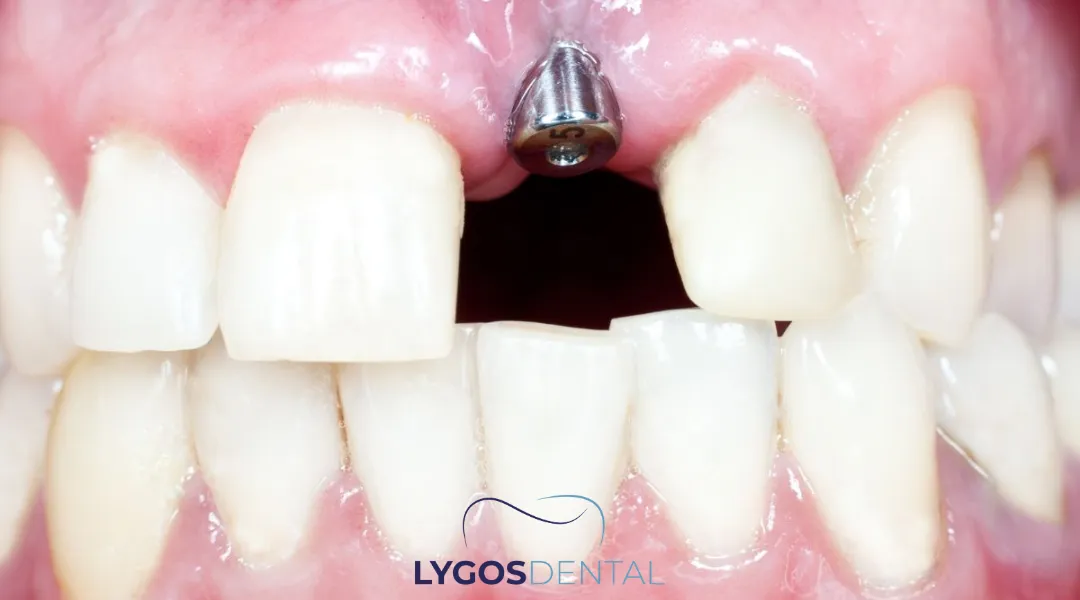
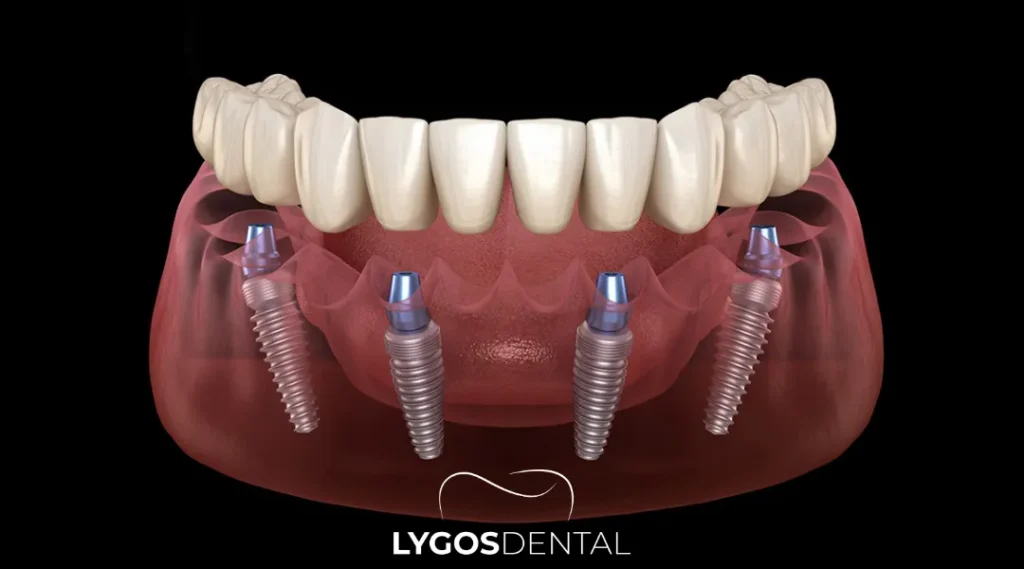
An implant replaces the root of a missing tooth with a small titanium post that fuses with the jawbone over several months. Once stable, a custom crown is fitted on top. That’s the short version. The longer version involves bone density checks, digital scans, treatment mapping, and sometimes a bit of patience while the body does its job.
Most patients are surprised by how quiet the surgery itself feels compared to how dramatic it sounds. The discomfort tends to be modest. Healing, though, takes time and some planning.
Choosing the Right Approach for Your Case
There isn’t one universal implant technique. The right choice depends on bone volume, the position of the missing tooth, gum health, and whether a patient needs a single crown, a bridge, or a full-arch restoration. Clinics that take planning seriously, such as Lygos Dental, tend to run a digital evaluation before suggesting any specific approach. That habit avoids the common trap of pushing treatments that aren’t a good fit for the patient’s anatomy.
- Single-tooth implants for isolated gaps
- Multiple implants supporting a bridge
- All-on-4 or All-on-6 for full-arch rehabilitation
- Immediate-load cases where the timing allows it
Each path has trade-offs. A good consultation explains them rather than rushing straight to a recommendation.
Planning That Starts Before You Board the Plane
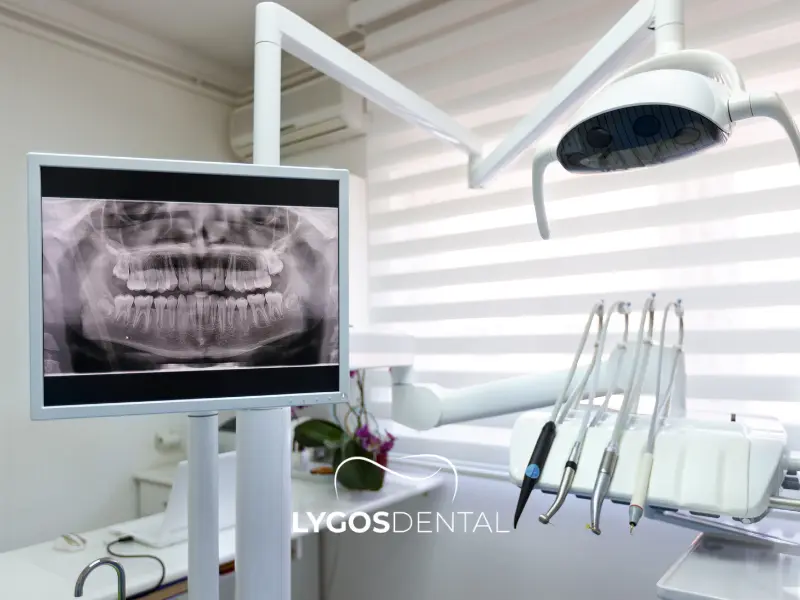
International patients often underestimate how much happens before they even travel. Panoramic X-rays, CBCT scans, and medical history are usually reviewed during an online consultation. Based on those, a preliminary plan is drawn up, which helps match the length of your stay to the treatment you actually need. So there’s less guesswork when you arrive. And fewer surprises at the clinic.
This pre-travel phase is also where clear communication really pays off. Patients who know what to expect tend to have a calmer experience once they land.
What Affects the Cost of Implant Treatment
Pricing is the question most people want answered first, and it’s also the one most affected by individual factors. Numbers flying around online rarely reflect what a patient will actually pay. In practice, cost depends on:
- The implant brand and system used
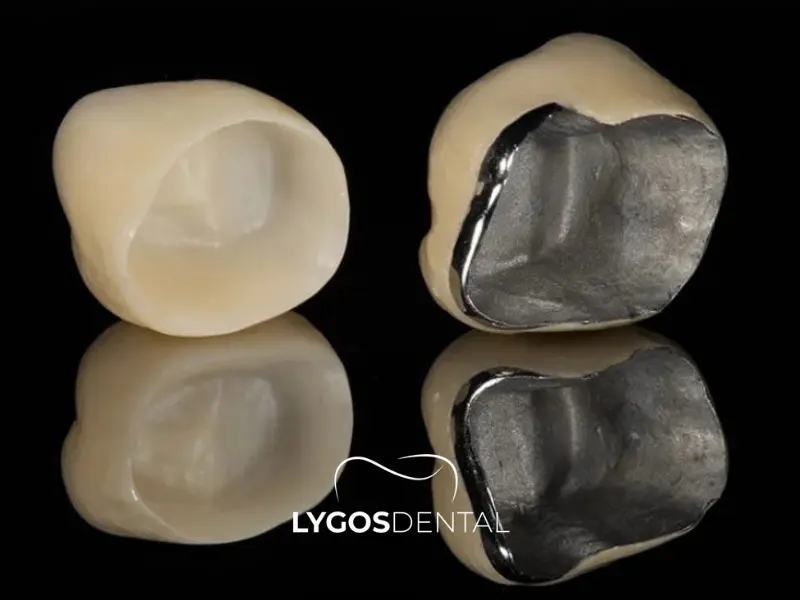
- The type of crown or prosthetic (zirconium, E-max, hybrid)
- Whether bone grafting or a sinus lift is needed
- The number of implants and the complexity of the full plan
- Any additional treatments like extractions or gum work
For European patients, implant treatment in Istanbul is often meaningfully less expensive than back home. That said, a transparent clinic will explain what’s in the plan and what isn’t, rather than advertising a single package price that may not apply once the real case is assessed.
Recovery and the Weeks That Matter Most
The first forty-eight hours after implant surgery are usually the noticeable ones. Some swelling, mild discomfort, a softer diet. After that, most patients return to normal routines quickly, though the implant itself is still quietly integrating with the bone. That fusion takes anywhere from two to six months depending on the site and the individual.
Patients are typically asked to avoid smoking, keep the area clean, and stick with follow-up appointments. None of this is dramatic. It’s just steady care, done on time.
Common Concerns International Patients Raise
A few questions come up again and again during consultations. How long do I need to stay? Will I leave with temporary teeth? What if something goes wrong once I’m back home? These aren’t minor worries. They shape whether a patient feels safe enough to travel for treatment in the first place.
Clinics that handle international patients regularly tend to build their process around exactly these questions. Lygos Dental, for example, treats post-treatment communication as part of the treatment itself, not as an afterthought once you’ve flown home.
A Journey That Feels Organized, Not Rushed
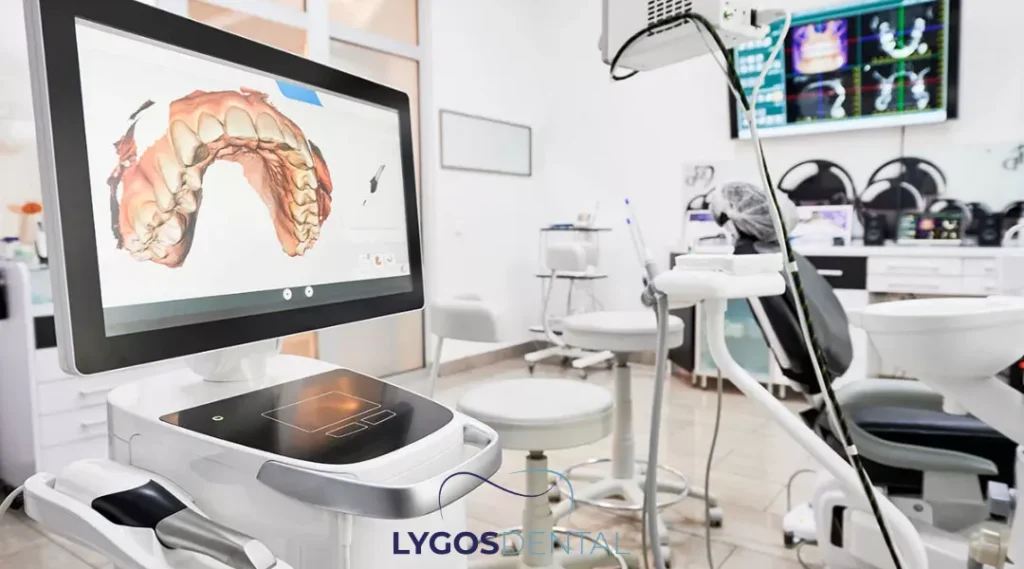
Good implant work isn’t about speed. It’s about sequencing. Digital planning, surgical execution, prosthetic design, aftercare. Each step feeds the next. When any stage is skipped or hurried, the result tends to show up months later, usually in ways that were avoidable.
Patients who walk out of Bakırköy with a solid long-term outcome almost always describe a process that felt measured. Calm consultations. Clear scans. Honest timelines. Nothing extraordinary, just the basics done properly.
Final Thoughts
Choosing where to have implant treatment is rarely a snap decision. It’s a mix of trust, logistics, and the sense that you’re being listened to. Bakırköy offers a combination that tends to work well for international patients: good access, experienced clinics, and a treatment culture that has learned how to handle patients arriving from abroad. Lygos Dental sits comfortably within that picture, not because of bold claims, but because of how its process is structured. Digital planning, clear communication, and a staged treatment flow that leaves less to chance. For readers still weighing the decision, that kind of consistency is usually what matters most in the long run.
FAQ
How long should I stay in Istanbul for dental implant treatment?
Most patients spend five to seven days for the first phase, which covers the implant placement. A second visit is usually needed three to six months later for the permanent crowns, though exact timing depends on your case and healing speed.
Are dental implants in Bakırköy really more affordable than in Western Europe?
In most cases yes, often noticeably so. Final figures depend on the implant brand, crown type, and any extra procedures required, so a personalised plan will give a more accurate answer than published package prices you see online.
What happens if I have a problem with my implant once I’m back home?
Reputable clinics build follow-up communication into the treatment. Lygos Dental, for instance, stays in contact after you've returned so any concern can be reviewed promptly and, where possible, resolved remotely or coordinated with a local dentist.
Can I get dental implants if I have low bone density?
Often yes, with the help of bone grafting or a sinus lift when needed. A CBCT scan is usually the first step, and the result decides whether the implant can be placed right away or a short preparatory procedure is required first.
Is the treatment painful?
The procedure itself is performed under local anaesthesia and most patients describe it as surprisingly manageable. Mild swelling and some discomfort during the first two or three days are normal, and they usually settle with standard pain relief and a softer diet.