


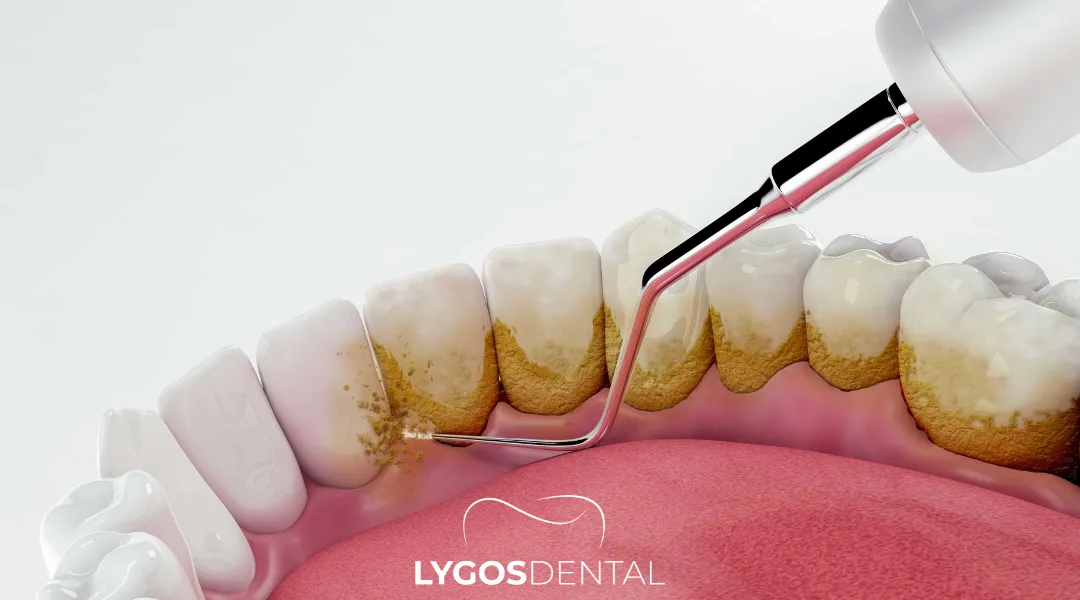
Most people don’t think about tartar until they feel that rough patch behind their lower front teeth with the tip of their tongue. By then it’s already too late for a toothbrush. Plaque has hardened. And once that happens, no amount of careful brushing will scrape it off — only a professional cleaning will. If you live in or near Yenibosna, or you’re flying in for a few days, booking a scaling session here doesn’t have to feel like a complicated errand.
What Tartar Actually Is — and Why It Builds Up So Fast
Tartar, or calculus, is plaque that has mineralized. Saliva carries calcium and phosphate, and over time those minerals fuse with the bacterial film stuck to enamel. The result is a hard, yellowish crust that won’t budge with a toothbrush, no matter how patient you are.
Table of Contents
Some mouths build it faster than others. Smokers and coffee drinkers tend to notice it earlier. Saliva chemistry plays a part too — some people simply mineralize plaque more aggressively than the average. Crowded lower incisors trap it. So if you’ve always been a careful brusher and still see buildup near the gum line, it’s not necessarily a technique problem. Biology often plays a bigger role than people assume.
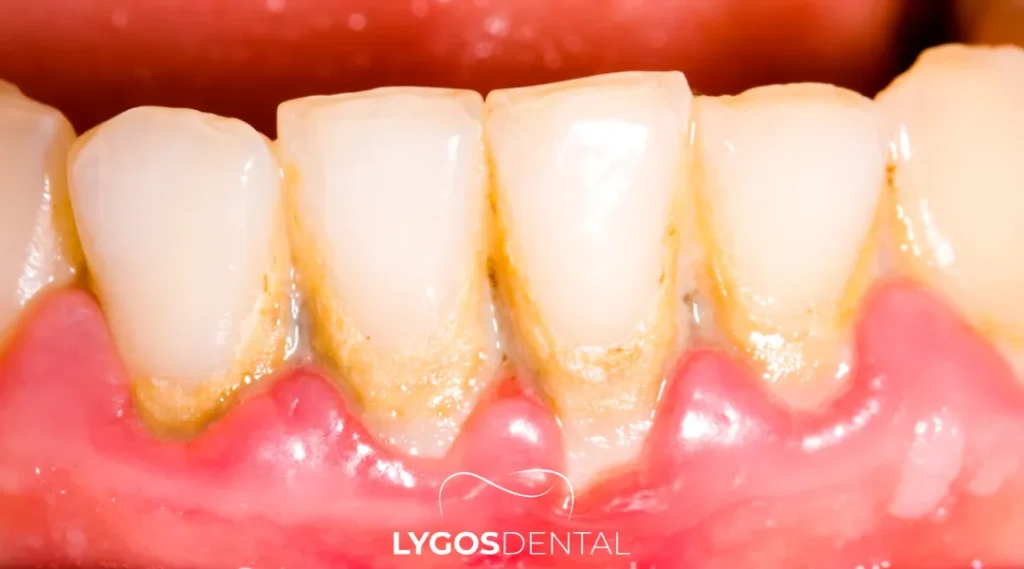
Small Signals That Your Teeth Are Asking for a Scaling
You don’t always need a dentist to tell you that tartar has settled in. The signs are usually quiet, but they pile up:
- gums that bleed slightly when you floss
- a faint metallic taste in the morning
- breath that doesn’t quite freshen up after brushing
- yellow or brown shading near the gum line
- a rough texture on the inner surfaces of your lower front teeth
If two or three of these sound familiar, a cleaning is overdue. In most cases, adults benefit from one every six months, though some need it more often — people with braces, implants, or a history of gum sensitivity often fall into that group.
What Happens During a Yenibosna Teeth Scaling Visit
A standard appointment runs about thirty to forty-five minutes. The dentist or hygienist starts with a quick look at the gums, then uses an ultrasonic device that vibrates at high frequency to break tartar away from the enamel. Water sprays alongside the tip to keep things cool and rinse debris.
After that pass, hand instruments handle the smaller deposits — the ones tucked just below the gum line or wedged between tight contacts. Polishing comes last. A soft rubber cup with a mildly abrasive paste smooths the enamel so plaque has less to grip onto in the coming weeks.
In well-organized clinics such as Lygos Dental, the visit usually begins with a brief diagnostic check rather than going straight to the cleaning. That short pause matters more than it sounds. It lets the team adjust pressure and technique to your specific gum condition instead of treating every mouth the same way.
Why Yenibosna Works Well for Quick Dental Appointments
Yenibosna sits on the European side of Istanbul, close enough to the airport that travelers can fit a dental visit into a layover or an extended weekend without much logistical fuss. Metro access is straightforward. Hotels are within walking distance of several clinics. And unlike the busier districts further inland, parking is rarely a headache.
For international patients comparing options, this matters more than the brochures admit. A short, calm appointment becomes much harder when traffic eats two hours on either side of it. Yenibosna sidesteps that problem, which is part of why it’s grown into a quietly popular area for both routine and aesthetic dental work.
Standard Cleaning vs. Deeper Periodontal Work
Not every cleaning is the same. The difference depends on how far the buildup has progressed and whether the gums have started to recede.
A standard scaling handles surface and slightly subgingival tartar. A deep cleaning — sometimes called scaling and root planing — goes further:
- removes tartar from below the gum line
- smooths the tooth root so gums can reattach
- often requires local anesthesia for comfort
- may be split across two visits, one side at a time
- usually includes a follow-up to assess healing
If you’ve skipped cleanings for a few years, the dentist may recommend the deeper version. It’s not punishment. It’s just what gums need when pockets have started to form around the teeth.
The First 48 Hours After Your Cleaning
Sensitivity is the most common sensation after scaling, especially with cold drinks. It usually fades within a day or two. Some people notice their teeth feel slightly looser afterward, which sounds alarming but isn’t — it’s just the absence of the tartar that was holding them in a fixed, slightly cemented position.
Skip very hot or very cold drinks the first afternoon. Use a soft brush. And go easy on coffee, red wine, dark berries, or turmeric-heavy dishes for the first day if you also had polishing — enamel is briefly more receptive to staining right after the rubber cup pass.
What Influences the Cost of a Scaling Session
Pricing for tartar cleaning in Istanbul varies more than people expect. A straightforward session at a private clinic typically lands somewhere between €40 and €90, while deeper periodontal work runs higher and depends on how many quadrants of the mouth need treatment.
Several things push the number up or down: the amount of buildup, whether anesthesia is needed, if polishing or fluoride application is included, and whether diagnostic imaging is part of the visit. Some clinics also bundle scaling into a broader check-up package, which can change the comparison.
What matters more than the headline figure is what the price actually covers. A clear breakdown beats a low number with surprises bolted on at the end.
Daily Habits That Slow Tartar Down
You can’t stop tartar entirely, but you can slow it. Brushing twice a day is the obvious one. Flossing, less obvious — most people skip it or do it sporadically. Honestly, even three or four times a week makes a measurable difference.
- use a fluoride toothpaste with a tartar-control claim if you build up quickly
- add an interdental brush for tight contacts that floss can’t reach
- rinse after coffee or tea instead of brushing immediately
- replace your brush every three months, not when it visibly frays
The goal isn’t perfection. It’s consistency.
Final Thoughts
A scaling appointment is one of those small acts of maintenance that quietly pays back over years. It keeps gums healthier, teeth whiter, breath cleaner, and the next dental visit shorter — and it costs far less than the treatments needed when buildup goes unaddressed for too long. For anyone considering a clinic in the area, what tends to matter most isn’t the equipment list on a website. It’s whether the team explains the plan clearly, adjusts the work to your situation, and follows through after the visit. Lygos Dental has built its routine around exactly that kind of structured approach, which makes a Yenibosna teeth scaling appointment feel less like a chore and more like a sensible reset.
FAQ
How often should I get my teeth scaled?
Once every six months works for most adults. People with braces, implants, gum sensitivity, or heavy coffee and tobacco use often need it more frequently — sometimes every three to four months.
Will scaling damage my enamel?
No. Ultrasonic scalers and trained hands remove tartar without wearing down enamel. The brief sensitivity afterward comes from exposing surfaces that the tartar had been covering, not from damage to the tooth.
Is the procedure painful?
A standard scaling is usually painless, though gums may feel tender if there’s inflammation. Deep cleaning for advanced buildup is typically done under local anesthesia, so the discomfort stays minimal.
Can I get a Yenibosna teeth scaling appointment as a tourist visiting Istanbul?
Yes, and it’s a common choice. The area’s proximity to the airport and metro makes it practical for short stays. Most clinics offer English communication and can arrange same-week appointments after a short online consultation.
How long do the results last?
Surfaces stay smooth and clean for several months, but new plaque starts forming within hours of any cleaning. Daily brushing, flossing, and a six-month follow-up keep tartar from returning to a noticeable level.