

A small ache when you sip something cold. A rough edge your tongue keeps finding. Maybe nothing dramatic at all, just a shadow your dentist spotted on an X-ray during a routine check. That’s usually how the conversation about a filling begins, and it’s one of the most common reasons people in Yenibosna walk into a dental clinic.
Yet the treatment itself has changed more than most patients realize. Materials have improved. Diagnostic tools catch decay earlier. And the whole experience tends to feel less clinical than it used to, especially in clinics that treat international patients.
Why Fillings Still Matter More Than People Think
A cavity is rarely just a cavity. Left alone, even a small lesion can reach the dentin, then the pulp, and suddenly you’re looking at a root canal or worse. So the point of a filling isn’t only to patch a hole. It’s to stop a slow, quiet process before it turns into something bigger and much more expensive.
Table of Contents
In practice, most patients don’t notice early decay. That’s the tricky part. Pain usually shows up late. By the time something hurts, the damage has often moved beyond the enamel. This is why early detection matters, and why dentists tend to push for check-ups even when nothing feels wrong.
What a Modern Filling Procedure Actually Looks Like
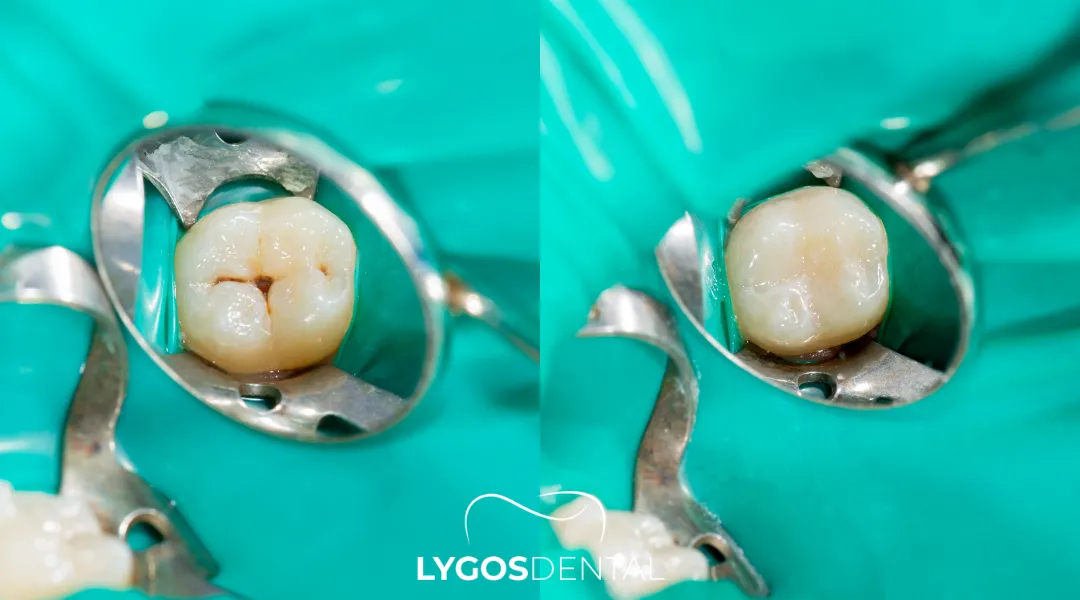
The old image of drilling, cotton rolls, and a rushed 15 minutes in the chair is outdated. Today, a careful filling procedure in a structured clinic usually follows a calmer, more deliberate flow:
- Digital imaging to map the exact depth and shape of the decay
- Local anesthesia adjusted to the patient, not a one-size-fits-all dose
- Gentle removal of decayed tissue with modern rotary or laser-assisted tools
- Layered placement of the filling material, cured with targeted light
- Bite adjustment and polishing so the tooth feels natural, not bulky
It’s still a short appointment. But the parts that matter, especially shaping and polishing, are what separate a filling that lasts years from one that needs redoing after twelve months.
Choosing Between Composite, Ceramic, and Other Materials
Most patients in Yenibosna today end up with composite resin. It bonds well, matches tooth color, and works for small to medium cavities. For larger restorations, inlays and onlays made from ceramic or E-max can be a stronger long-term option. Amalgam has mostly faded out of aesthetic-focused clinics.
The right choice depends on several things: where the tooth sits in the mouth, how much structure is left, bite pressure, and of course what the patient wants visually. A molar under heavy chewing load has different needs than a front tooth that shows when you smile. A good dentist walks you through these trade-offs instead of defaulting to one material for everyone.
Yenibosna as a Practical Spot for Dental Care
Yenibosna has quietly become a convenient base for dental visits, especially for people flying in. Istanbul Airport and Sabiha Gökçen are both reachable without much fuss, the metro connects the district to the rest of the city, and the area around it has enough hotels to keep a short stay comfortable.
For international patients, that logistical side genuinely matters. Nobody wants to cross half of Istanbul in traffic after a long flight just to sit in a dental chair. Location convenience isn’t glamorous, but it shapes how relaxed you feel when you actually arrive for treatment.

How International Patients Usually Plan the Visit
Most people coming from abroad start with an online consultation. You send a few photos, sometimes a recent panoramic X-ray, and the clinic gives you a preliminary plan. That first exchange is more useful than it sounds. It sets expectations, flags whether a simple filling is enough, or whether something more substantial might be needed.
At Lygos Dental, for example, the process usually begins with that digital evaluation before you ever book a flight. It means by the time you land in Istanbul, the treatment path is already mapped. No guessing. No awkward surprises in the chair. Just a plan that was discussed in writing before travel.
What Affects the Cost of a Filling
Prices vary, and anyone giving you a flat number without seeing the tooth is guessing. The main factors include:
- Size and depth of the cavity
- Material choice (composite, ceramic inlay, onlay)
- Whether the tooth needs additional preparation like a base liner
- Number of teeth treated in the same session
- Clinic equipment and diagnostic technology used
For international patients paying in euros, a standard composite filling in Istanbul generally costs meaningfully less than in most Western European countries. That said, the value isn’t only in the lower number. It’s in whether the work holds up five or ten years later without needing to be redone.
Aftercare: Small Habits That Decide Longevity
A filling placed well can last a long time. But it’s not invincible. Grinding teeth at night, chewing ice, using teeth as bottle openers, or skipping regular cleanings all shorten its life. The aftercare itself is simple, almost boring: brush properly, floss, go for your check-ups.
One overlooked detail is diet in the first 24 hours. Composite fillings cure fully under the light, so you can usually eat right away, but extreme hot or cold right after the procedure isn’t the best idea while the anesthesia wears off. Common sense, really.
When a Filling Isn’t the Right Answer
Sometimes the cavity has gone too far. Or the tooth has cracked in a way that a simple restoration can’t hold. In those cases, pushing for a filling just to avoid a bigger treatment tends to backfire. Inlays, onlays, crowns, or in deeper cases root canal therapy followed by a crown may be more honest options.
This is where an organized treatment approach makes a real difference. Clinics that plan properly, like Lygos Dental, tend to be upfront about when a filling won’t do the job, rather than delivering a short-term fix that fails in a year. That kind of clarity is what patients coming from abroad usually appreciate most.
Final Thoughts
A dental filling sounds like a small thing. In many ways, it is. But the care taken during that short appointment, the material chosen, the way the bite is adjusted, the honesty about whether a filling is even the right call, all of that shapes how your mouth feels years later.
For patients considering Yenibosna as a treatment location, the appeal is a combination of convenience, modern equipment, and clinics like Lygos Dental that handle the international journey with structure and clear communication. Not a sales pitch. Just a calmer way to handle something that, frankly, most people would rather not think about until they have to.
FAQ
How long does a composite filling in Yenibosna usually last?
With proper oral hygiene and regular check-ups, a well-placed composite filling commonly lasts between 7 and 10 years, sometimes longer. Heavy grinding, acidic diets, or skipped cleanings tend to shorten that lifespan.
Is one dental visit enough for a filling if I’m traveling from abroad?
For most standard cavities, yes. A single appointment is usually sufficient. However, if the decay is deeper than expected or multiple teeth are involved, the clinic may suggest splitting the work across two sessions for a cleaner result.
How should I decide between composite and ceramic for my filling?
Composite is often ideal for smaller cavities and front teeth due to its aesthetic match. Ceramic inlays or onlays tend to be recommended for larger restorations in molars where bite pressure is higher. A dentist should guide this based on your specific tooth, not a default preference.
Can I fly back the same day after getting a filling?
In most cases, yes. Fillings don't require recovery time the way surgical treatments do. Some patients prefer waiting a few hours until the anesthesia fully wears off, but same-day travel is generally fine.
Why do prices for fillings differ so much between clinics in Istanbul?
Differences usually come from the materials used, the diagnostic equipment available, the experience of the dentist, and how thorough the finishing and polishing steps are. A lower price sometimes reflects shortcuts that show up later as a failed restoration.