


Budapest has built a solid reputation among Europeans looking for affordable dental work, and zirconium crowns are one of the treatments people price-check most before booking. At Lygos Dental, an Istanbul-based clinic, we regularly work with patients who compare Budapest crown quotes against Turkey, so we see exactly what moves those numbers: the grade of zirconia, the lab work behind each crown, and the experience of the dentist placing it. This guide breaks down what Budapest zirconium crown prices actually cover, where the hidden costs sit, and how Istanbul compares once you add up the full trip cost.
Table of Contents
What Shapes Zirconium Crown Pricing in Budapest
| Type of Zirconium Crown | Typical Price Range (per tooth) | Common Use |
|---|---|---|
| Entry-level zirconia | €220 – €300 | Back teeth, basic aesthetic needs |
| Standard mid-range zirconia | €300 – €420 | Most single crowns in central Budapest clinics |
| Premium-brand zirconia (Prettau, Katana) | €420 – €550 | Highly aesthetic results for visible teeth |
| Multi-layer aesthetic zirconia for front teeth | €450 – €650 | Smile makeovers and full-mouth reconstructions |
Average Cost Range Across the City
You’ll see prices that swing widely depending on where you walk in. In central districts, a single zirconium crown usually falls between €280 and €450. Suburban or budget-oriented clinics may quote closer to €220. Premium clinics offering full digital workflows and on-site CAD/CAM milling can climb above €500 per unit. A rough sense:
- Entry-level zirconia: €220-€300
- Standard mid-range: €300-€420
- High-translucent or premium-brand units: €420-€550
- Multi-layer aesthetic zirconia for front teeth: €450-€650
These numbers shift slightly each year and vary by season, especially during dental-tourism peak months.
Why Budapest Became a Dental Travel Hub
Budapest didn’t earn its reputation overnight. The city has decades of dental-tourism history — older patients from Austria and Germany were flying in regularly during the 1990s. Strong technical schools, a competitive local market, and lower operational costs created a friendly pricing environment. So patients kept arriving. Word travels fast in patient communities. The momentum stuck. Today, the dental sector here employs thousands and includes everything from small boutique clinics to large multilingual centers built specifically for foreign patients.
How Zirconium Compares to Other Crown Options
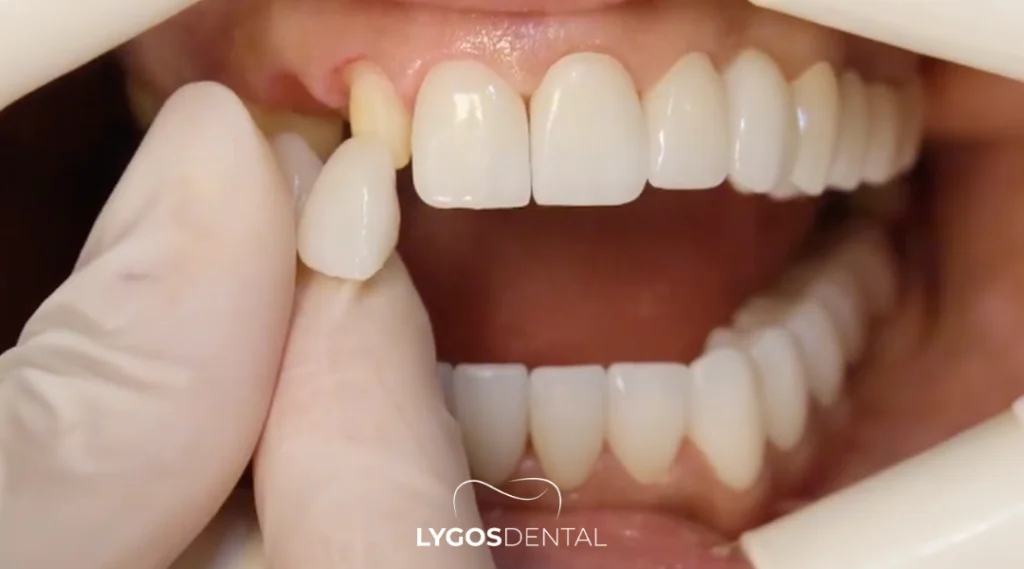
Zirconium isn’t always the obvious choice. Patients often weigh it against E-max, metal-ceramic, and full porcelain options. Briefly:
- E-max: more translucent, ideal for visible front teeth
- Metal-ceramic: cheaper upfront, but the metal margin tends to show over years
- Zirconium: durable, biocompatible, strong choice for posterior teeth or full-arch work
- Hybrid layered zirconia: blends underlying strength with aesthetic translucency
Choosing the right material isn’t a matter of picking the most expensive. It’s about matching the crown to the tooth and the bite.
What’s Usually Included in a Treatment Package
Most Budapest clinics bundle the consultation, X-rays, and lab fees together. Many add temporary crowns and a basic follow-up visit. Travel-related extras — airport pickup, hotel discounts, sometimes even small interpreter support — appear in international packages but aren’t universal. Always read the small print. Some quotes look generous on paper and shrink the moment treatment begins. A clear, itemized written plan saves a lot of awkward surprises at checkout. Patients who skim past this step are usually the ones who later complain about hidden costs.
Hidden Factors That Can Change Your Final Bill
The quoted figure isn’t always the final figure. A crown might need a root canal beneath it. Old fillings sometimes have to be replaced before preparation. Gum reshaping or temporary builds can quietly add up. And sedation, if requested, isn’t usually part of the standard fee. None of this means a clinic is being dishonest. It’s just dental reality. The honest move is to ask for a clinical assessment first, then build the financial picture around what’s actually needed — not the other way around.
Considering Istanbul as an Alternative Destination
Istanbul has become a strong second option for patients who first researched Budapest. Pricing tends to be lower — sometimes 20-35% — and the planning often runs more digitally from day one. In well-organized clinics such as Lygos Dental, zirconium work usually starts with a digital smile design and a written treatment map before any drilling happens. That kind of clarity matters when you’re flying in from another country with limited time on the ground. Patients also tend to mention smoother communication before arrival: a real treatment-coordinator response rather than a vague online form. For larger cases, the savings over Budapest become noticeable.
Planning a Smart Cross-Border Dental Trip

Whether you choose Budapest or Istanbul, planning carries weight. A few things worth doing early:
- Request a written treatment plan before booking flights
- Ask which zirconia brand the clinic actually uses, by name
- Confirm warranty terms and what they cover
- Clarify how follow-ups will work once you fly home
- Get clinical photos and a recent CBCT review where relevant
The clinics that handle this part well don’t rush. They explain. They double-check. And they adjust the plan when something unexpected appears in the scans.
Final Thoughts
Budapest’s zirconium pricing remains attractive for many European patients, especially those with smaller cases or already familiar with the city. Still, a careful price comparison rarely tells the full story. Process clarity, lab quality, and honest planning tend to influence long-term satisfaction more than the headline number. Lygos Dental, for patients open to looking slightly further east, offers a similarly structured experience with strong digital planning and steady communication throughout the treatment journey. Whatever destination wins, the deciding factor is rarely just the euro figure on the quote.
FAQ
How much does a zirconium crown cost in Budapest on average?
Most patients pay between €280 and €450 per unit, though premium-brand zirconia can push pricing above €500. Suburban or budget-oriented clinics sometimes quote closer to €220, but the inclusions vary.
Are zirconium crowns in Budapest cheaper than in Western Europe?
Yes, often by 40-60%. The savings come from lower lab and operational costs rather than reduced quality. Still, it’s wise to verify which zirconia brand the clinic uses before deciding.
Is it worth flying to Budapest for just one or two zirconium crowns?
Usually not. Travel costs eat into the savings on small cases. A trip becomes financially sensible from around four to six units onward, especially when combined with other dental work.
How does Istanbul compare to Budapest for zirconium crown pricing?
Istanbul tends to be 20-35% cheaper on average and many clinics offer broader treatment packages. Clinics like Lygos Dental also lean heavily on digital planning, which suits international patients with tight schedules.
Should I trust the lowest price I find online?
Treat very low quotes with caution. Some include only the crown itself, leaving extractions, build-ups, or root canals as separate fees. Ask for an itemized written plan before deciding.