

A small chip noticed during morning coffee. A dull ache that comes and goes after a sip of something cold. That’s usually how people end up searching for a dental filling in Bakırköy — not because they want to, but because something has shifted in their mouth and they want it fixed properly. The good news? Filling a tooth has come a long way from the silver patches of two decades ago. Materials are smarter, sessions are shorter, and clinics in Istanbul’s Bakırköy district have quietly built a strong reputation among international visitors.
Why Bakırköy Has Become a Quiet Hub for Dental Care
Bakırköy sits on the European side of Istanbul, close to the airport and well-connected by metro. That alone makes it convenient for travelers. But the real draw is something else — the density of well-equipped dental clinics in the area, many of which work regularly with patients from abroad. You’ll find practices that handle everything from routine cleanings to full smile redesigns, and the competition keeps standards high.
Table of Contents
So when someone flies in for a single filling or a longer treatment plan, the logistics feel manageable. Hotels are nearby. Translators are common. And the clinics themselves tend to run on schedule.
What a Modern Dental Filling Actually Involves
A filling is, at its core, a repair. The dentist removes the decayed part of the tooth and replaces it with a material that restores both the shape and the bite. Sounds simple. In practice, the precision matters more than most patients assume.
Modern fillings aren’t just about plugging a hole. The shade has to match the surrounding enamel. The bite needs to settle correctly without leaving a high spot. And the bond between tooth and material has to hold up to years of chewing, hot drinks, and the occasional ice cube someone insists on crunching.
Composite, Ceramic, or Glass Ionomer — Choosing the Right Material
Different cavities call for different materials, and a careful dentist won’t push the same option on every patient. The main choices you’ll usually hear about:
- Composite resin — tooth-colored, bonded directly, ideal for visible areas
- Ceramic inlays and onlays — lab-fabricated, very durable, often the right call when the cavity is larger
- Glass ionomer — releases fluoride slowly, sometimes used for children or specific edge cases
- Amalgam — the older silver-colored option, rarely used today in aesthetic-focused practices
Material selection often depends on cavity size, location, and how the bite distributes pressure across that tooth. A molar carrying heavy load isn’t the same as a small chip near the front.
How a Cavity Is Diagnosed Before Treatment Begins
You can’t fix what you haven’t measured properly. A clinical exam is the starting point, but it’s rarely enough on its own. Digital X-rays catch decay between teeth — the kind that hides where a mirror can’t reach. Some practices also use intraoral cameras so the patient can actually see what’s going on, which tends to make decision-making feel less like guesswork.
That diagnostic step is treated as part of the treatment at well-organized clinics, not as a formality. The plan that follows depends entirely on what the imaging reveals.
The Treatment Flow at a Bakırköy Clinic
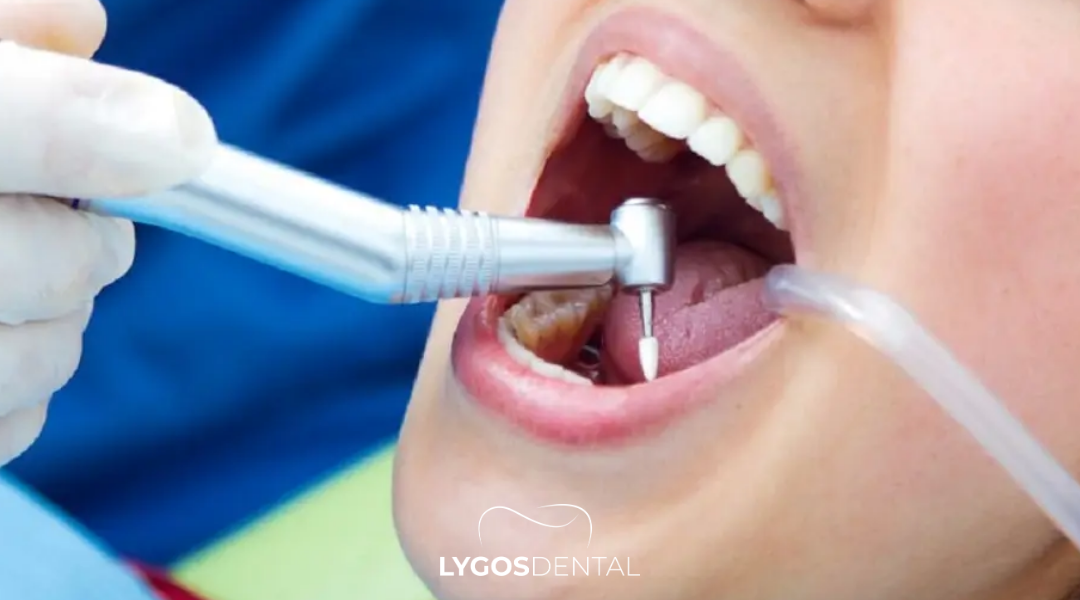
A typical filling appointment runs around 30 to 60 minutes per tooth, depending on the size of the cavity and the material chosen. The general flow:
- A short consultation and any imaging needed
- Local anesthesia applied to the area
- Careful removal of the decayed tissue
- Cleaning and shaping of the cavity
- Placement and curing of the filling material
- Bite adjustment and polish
At Lygos Dental, much of the planning for international patients happens before the trip — often through an online consultation. By the time the patient arrives, the appointment slot is reserved and the materials are already prepared.
What Visiting Patients Tend to Notice
People who travel for dental work often expect a certain hesitation when they arrive. They’ve read forums. They’ve heard mixed things. What surprises most of them isn’t the procedure itself — it’s the pace and the communication.
Appointments tend to start when they’re scheduled. The dentist explains each step before doing it. Costs are written out clearly, in Euro, and any change in the plan is discussed before it happens. That kind of transparency does a lot of the work in calming first-time visitors.
Aftercare and Daily Habits That Protect the Filling
A filling will last for years, but it isn’t indestructible. The first 24 hours matter more than people realize.
- Skip very hot or very cold drinks right after the appointment
- Avoid hard or sticky foods for at least a day
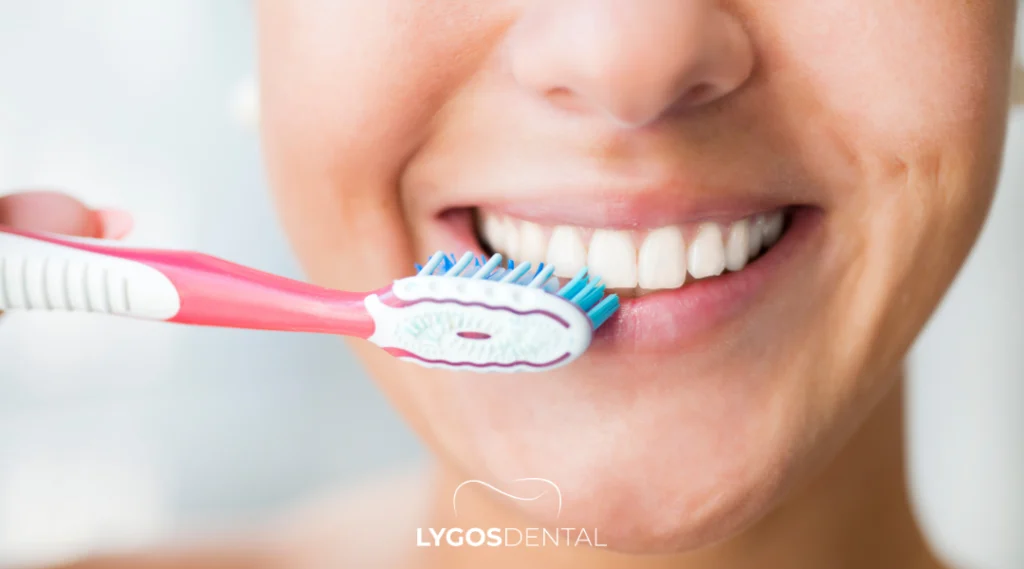
- Keep brushing gently around the area; don’t avoid it out of caution
- Rinse with warm water if the gum feels tender
- Book a check-up in six months, even if nothing feels wrong
Most patients don’t need anything beyond standard oral care. But the habit of regular cleanings is what actually extends a filling’s life — far more than any specific brand of toothpaste.
Cost Factors and Why Prices Vary Between Clinics
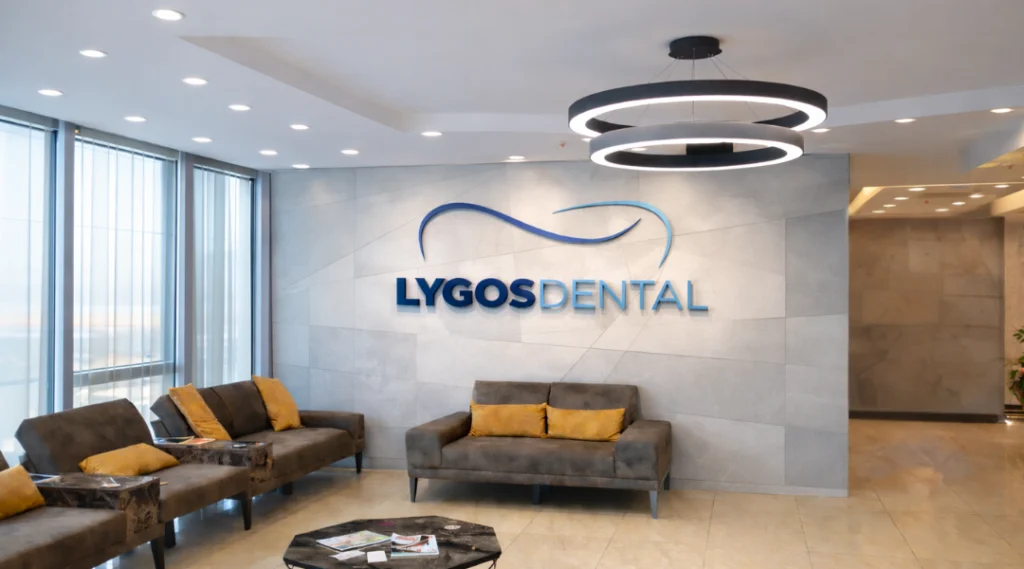
Dental filling prices in Bakırköy can swing depending on several variables, and pretending there’s one fixed number wouldn’t be honest. The figure usually depends on the material chosen, the size and depth of the cavity, whether additional work (like a base liner) is needed, the experience of the dentist, and the technology used during placement.
For international patients, the cost is usually quoted in Euro after the diagnostic step. A small composite filling sits at the lower end of the range. A ceramic inlay covering a larger area lands higher. Lygos Dental walks through these numbers before any treatment begins, so there are no surprise additions on the day of the appointment.
Final Thoughts
Choosing where to have a filling done isn’t only about the procedure itself. It’s about whether the clinic explains things clearly, plans the visit around your schedule, and treats a small repair with the same care as a larger case. Lygos Dental in Bakırköy has built its workflow around exactly that — diagnosis first, conversation second, treatment third. For someone weighing options between their home country and Istanbul, that kind of structured approach is often what tips the balance.
FAQ
How long does a dental filling appointment take in Bakırköy?
Most appointments run between 30 and 60 minutes per tooth, depending on the cavity size and the material used. Smaller composite fillings are usually faster, while ceramic inlays may need a follow-up visit for placement.
Are tooth-colored fillings as durable as the old silver ones?
Modern composite and ceramic materials hold up well under daily use, and with regular check-ups they often last many years. Amalgam was historically more rigid, but today’s adhesive technology has narrowed the gap considerably.
Can I fly home the same day after getting a filling?
Yes, in most cases flying after a routine filling is fine. The numbness fades within a few hours, and there are no pressure-related restrictions. It’s still wiser to leave a buffer day if multiple teeth are being treated.
How should I decide between Lygos Dental and a clinic in my home country?
Compare the diagnostic process, material options, and how clearly the cost is explained before any treatment starts. If your local quote feels rushed or vague, a structured second opinion from Bakırköy can give you a clearer picture before committing.
Will I need to come back for a follow-up if I’m visiting from abroad?
A standard filling rarely requires an in-person follow-up. Lygos Dental usually checks in remotely after the trip, and any future maintenance can be handled by your regular dentist at home unless something specific comes up.