

Walk along Bağdat-side Beşiktaş on a Saturday morning and you’ll spot it quickly: people smiling for selfies, laughing at brunch, the kind of effortless confidence that often starts with one small decision about their teeth. Porcelain veneers have quietly become one of the most requested treatments in this part of Istanbul, and not by accident. The district sits at a crossroads of dental tourism, modern clinics, and patients who want a result that looks like their smile, only better.
But the conversation around veneers is often louder than it is useful. So here’s a calmer look at what porcelain veneers in Beşiktaş actually involve, what shapes the outcome, and how to think about the process before you commit.
Why Beşiktaş Has Become a Hub for Porcelain Veneers

Beşiktaş isn’t just central. It’s well connected, walkable, and full of clinics that have refined their workflow for international patients. That matters. A district where consultations, lab work, and follow-ups can happen within a small radius reduces stress, especially if you’re flying in.
Table of Contents
And there’s another reason. Patients here tend to ask sharper questions. Local awareness pushes clinics to plan rather than rush. In practice, that’s good for everyone.
What Porcelain Veneers Actually Are
A porcelain veneer is a thin, custom-shaped ceramic shell bonded to the front surface of a tooth. Think of it as a tailored facade. It corrects shape, color, alignment within limits, small chips, gaps, and worn edges.
What it isn’t: a one-size solution. Veneers don’t replace orthodontics for serious bite issues, and they don’t substitute for crowns when a tooth has lost significant structure. Knowing the difference is half the planning.
How a Properly Planned Treatment Begins
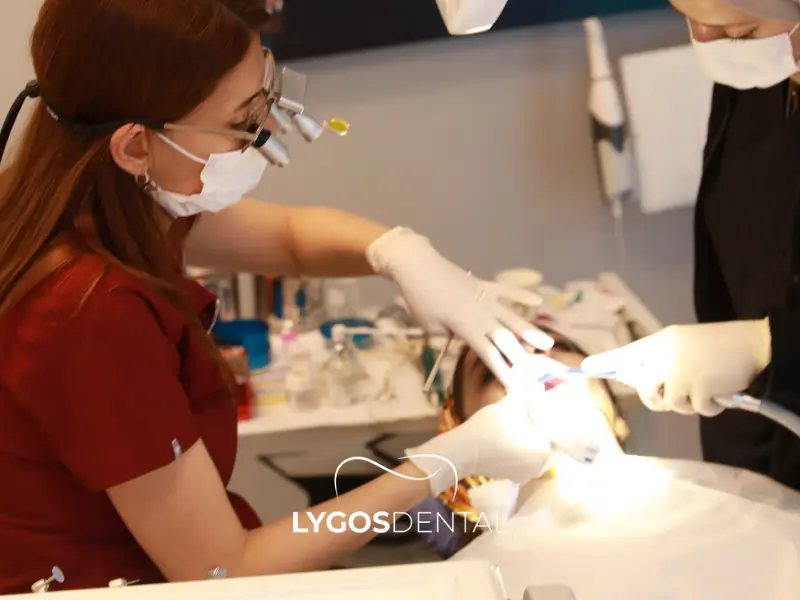
The first appointment shouldn’t feel like a sales meeting. It should feel like a slow look at your face, your bite, and your goals. Photos. Scans. A real conversation about what you want and what your teeth can support.
In well-organized clinics such as Lygos Dental, the early stage usually involves digital smile design, where the proposed shape and proportion are mocked up before anything is touched. You see a preview. You react. You adjust. This back-and-forth is what separates a result you love from one you tolerate.
- Full intraoral scan and high-resolution photos
- Bite analysis to check how upper and lower teeth meet
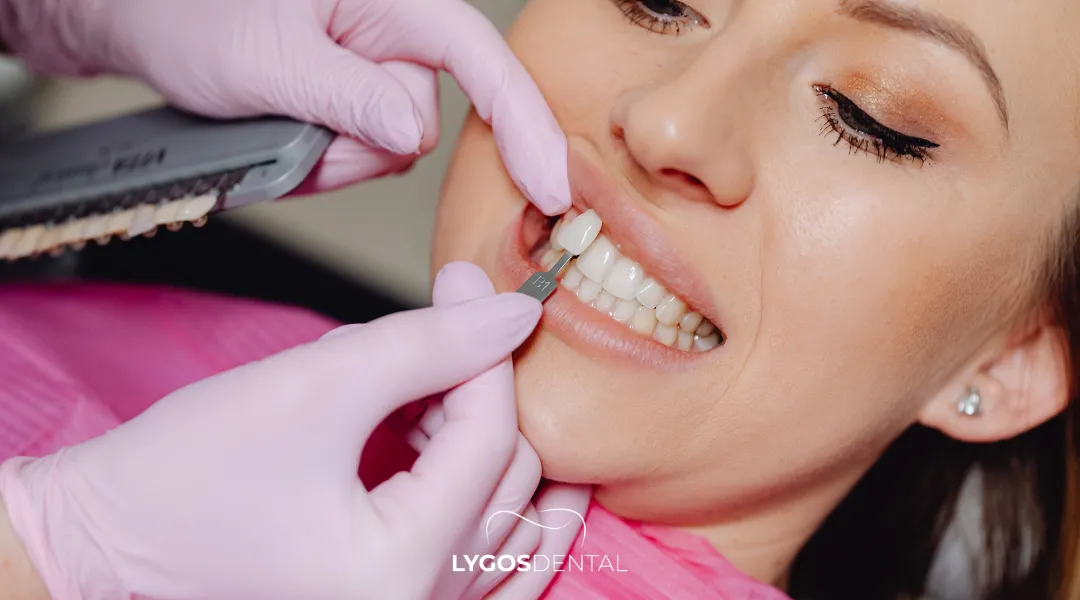
- Shade discussion under different lighting
- Mock-up or wax-up so you can visualize the new smile
- A clear, written treatment plan before any preparation begins
Choosing the Right Shade and Shape for Your Face
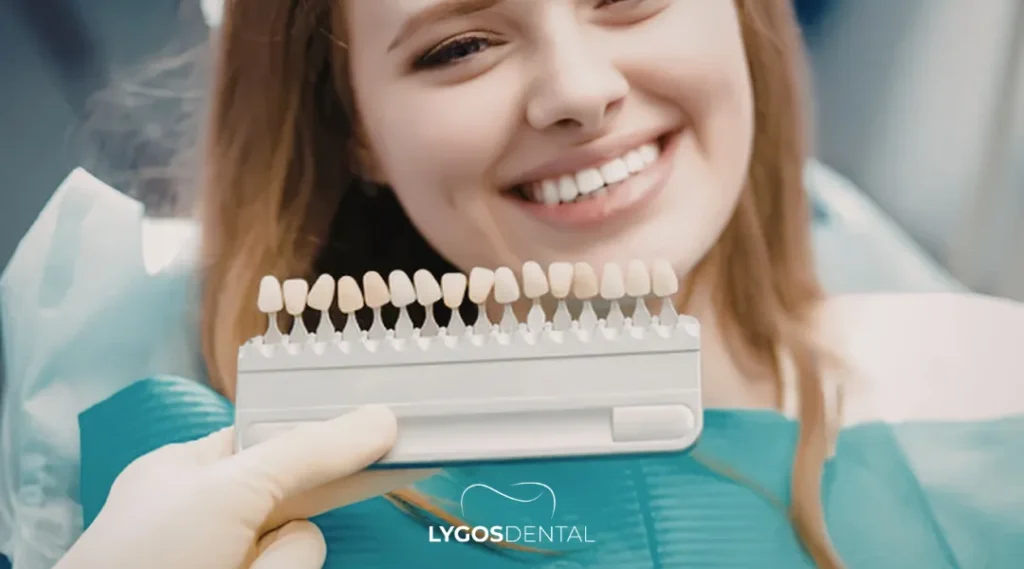
This is where many veneer journeys quietly go wrong. A shade that looks elegant on a screen can look flat in person. Too white reads artificial. Too uniform reads like a row of tiles, not teeth.
Good planning considers the shape of your face, the color of your eyes and skin, the way your lip moves when you speak, and even the slight asymmetry that makes a smile feel real. Perfectly symmetrical veneers are usually a giveaway. Subtle variation is what makes them disappear into your face.
The Preparation Stage and What It Feels Like
Preparation is conservative when done well. A thin layer of enamel is gently reduced, just enough to make space for the veneer without overworking the tooth. Anesthesia is used, so most patients describe it as uneventful rather than painful.
Temporary veneers are placed while the lab crafts the final ones. This temporary phase is genuinely useful. You wear the proposed shape for a few days, talk, eat, smile in the mirror at home. If something feels off, that’s the time to say so.
The Lab Work: Where Quality Quietly Lives
The veneer itself is only as good as the ceramist who shapes it. Layered porcelain, hand-finished detailing, translucency that mimics natural enamel. None of this happens in a hurry.
Clinics that work with experienced labs tend to deliver veneers that catch light the way real teeth do. It’s the difference between a smile that photographs well in every light and one that only works under studio bulbs.
Bonding Day and the First Look in the Mirror
The bonding appointment is where everything comes together. The veneers are tried in, color-checked against your face, fine-tuned, and then permanently bonded with a resin that cures under a specialized light. The process is detailed but predictable.
Most patients describe the moment they see the final result as quieter than they expected. Not dramatic. Just a feeling that something looks right.
Aftercare and the Habits That Protect Your Investment
Porcelain is strong, but it’s not invincible. The way you treat your veneers in the first weeks and the years after sets the tone for how long they look pristine.
- Skip biting hard objects like ice, pens, or fingernails
- Use a night guard if you grind your teeth
- Stay consistent with brushing and flossing, gently around the gum line
- Schedule cleanings every six months
- Limit very dark drinks in the first 48 hours after bonding
Done with care, modern porcelain veneers tend to hold their look for many years. Maintenance, not replacement, is usually the storyline.
Final Thoughts
A good veneer treatment in Beşiktaş isn’t about chasing a trend. It’s about a clinic taking the time to understand your face, your bite, and the smile you actually want. The technical side matters, but planning matters more. That’s why patients who choose clinics like Lygos Dental often describe the experience as surprisingly calm. The decisions are made early, the preview stage is honest, and the final day is mostly confirmation of what was already designed together.
If you’re considering porcelain veneers in Beşiktaş, take the time to ask about planning, lab partnerships, and how the clinic handles adjustments. The right answers usually come without pressure.
Frequently Asked Questions
How long do porcelain veneers usually last?
With careful habits and regular cleanings, porcelain veneers commonly perform well for ten to fifteen years or longer. Lifespan depends on bite forces, oral hygiene, and whether you wear a night guard if you grind.
Are porcelain veneers reversible?
Traditional veneers involve a small amount of enamel reduction, so they aren’t fully reversible. Some ultra-thin options preserve more enamel, but the best approach depends on your specific teeth and goals, which a proper consultation will clarify.
How many veneers do I actually need?
It depends on how wide your smile shows when you talk and laugh. Some patients only need the front six, others benefit from eight or ten. The decision is made during planning, not assumed in advance.
Will my veneers look natural or fake?
Naturalness comes from shade choice, shape variation, translucency, and proportion to your face. Clinics that use digital design and experienced ceramists tend to produce veneers that blend rather than announce themselves.
Is it worth traveling to Beşiktaş for porcelain veneers?
For many international patients, yes. Beşiktaş offers structured planning, modern clinics, and clear communication, often with shorter overall timelines than treatment back home. The key is choosing a clinic that handles consultation, design, and aftercare in an organized way.