


Istanbul Tartar Cleaning: Choosing the Right Clinic, Understanding Cost, and Knowing What to Expect
A tartar cleaning appointment may sound routine, but most people searching in Istanbul are trying to answer something more practical than that: Is this really just a simple cleaning, or does the clinic actually understand what is happening around the gum line? That is usually where the decision starts.
Why it should not be treated like a quick polish
Tartar is not just a cosmetic stain. The Turkish Dental Association describes detartraj-polisaj as the removal of plaque and tartar that contribute to gum disease, followed by polishing. Once plaque hardens into tartar, regular brushing is not enough to remove it fully. That is why the procedure belongs as much to preventive care as it does to appearance.
What often gets overlooked is the location of the buildup. Deposits close to the gum line can increase bacterial retention, irritate the gums, and make bleeding or unpleasant breath more noticeable over time. Lygos Dental frames tartar treatment in the same preventive way, not as a simple surface refresh.
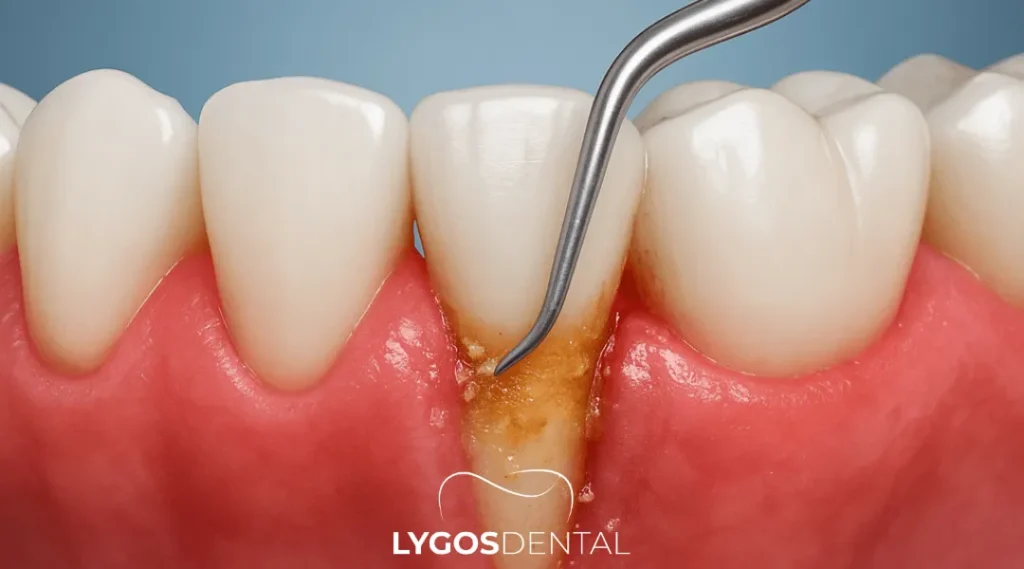
Table of Contents
How Istanbul tartar cleaning is usually performed
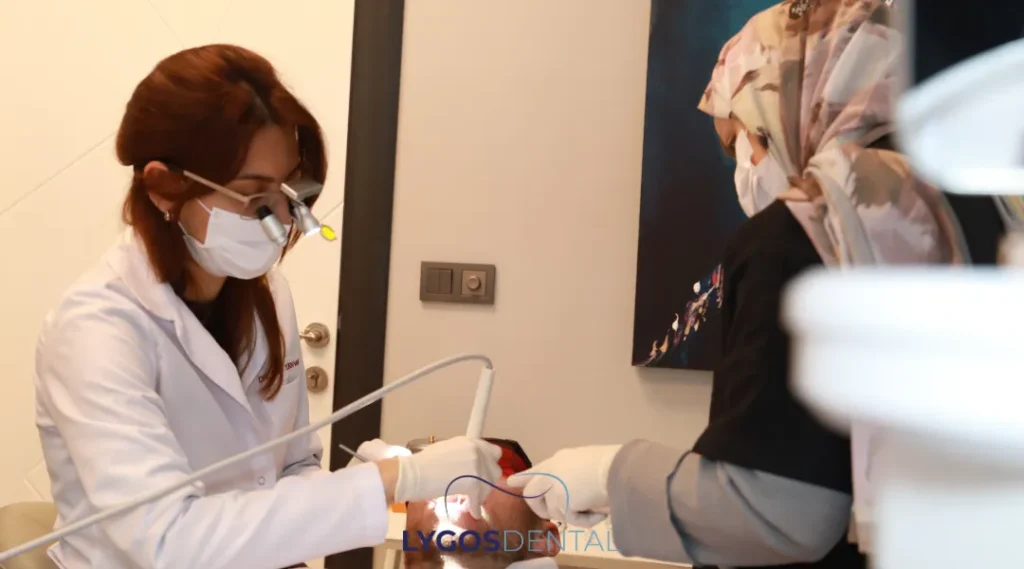
A professional cleaning should begin with an examination, not with the device already in hand. On Lygos Dental’s treatment guidance, the sequence is clear: examination, ultrasonic scaling, hand scaling for the remaining deposits, polishing, and in some cases optional fluoride. That order matters because it shows whether the clinic is treating the mouth methodically rather than rushing through a standard routine.
In real life, not every mouth needs the same intensity of care. A light visible buildup and a gum-line problem are not the same case, even if both patients say, “I need a cleaning.” Good clinics tend to slow down at that point and define the scope before they define the fee.
Similar complaints, different treatment plans
Two patients can walk in with what sounds like the same issue and leave with very different plans. The Turkish Dental Association notes that non-surgical periodontal treatment may include standard scaling and polishing, but it can also extend to deeper cleaning below the gum line, depending on the severity of the gum condition.
That distinction is easy to miss when people collect prices by phone. A routine tartar cleaning and a deeper periodontal intervention are not interchangeable. The more useful question is not “How much is tartar cleaning?” but “What exactly does the clinic think I need, and why?”
Signs you probably should not keep postponing it
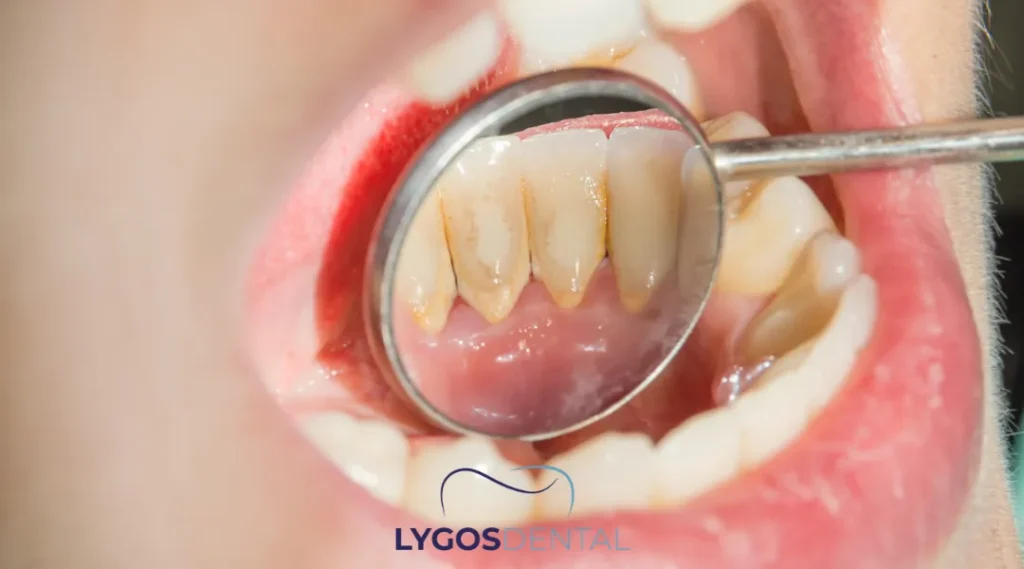
The warning signs usually build quietly rather than dramatically. Common ones include:
- bleeding while brushing
- a yellow or brown hard layer near the base of the teeth
- persistent bad breath
- a rough sensation when the tongue touches the inner tooth surfaces
- gum redness, swelling, or irritation around buildup areas
None of these automatically means advanced disease, but they do suggest that a professional evaluation makes sense sooner rather than later. Waiting for pain is rarely a good system for gum health.
Why Istanbul tartar cleaning prices can vary
Price differences make more sense once the procedure stops being treated as one fixed service. Lygos Dental states that cost can vary depending on the intensity and spread of buildup, how far it reaches toward the gum line, gum sensitivity, the number of sessions, and the overall treatment scope.
For a public reference point, the 2026 Turkish Dental Association guide lists single-jaw detartraj at about $67 before VAT and about $74 with VAT, based on a USD/TRY exchange rate near 44.75 on April 15, 2026. That figure is useful as a benchmark, not as a universal final quote. If deeper care is needed, the plan naturally changes.
What to look for beyond the quote
A clinic often reveals its standards before treatment even begins. Lygos Dental’s official site presents online consultation options, including WhatsApp, phone, and video consultation, along with a free dental analysis flow. For patients comparing clinics from abroad or trying to reduce uncertainty before booking, that kind of structure is not a small detail. It usually means the communication process has been thought through.
A few details are worth checking carefully:
- Is the scope explained clearly at the first evaluation?
- Does the clinic distinguish routine cleaning from deeper periodontal care?
- Are aftercare instructions specific rather than generic?
- Is it easy to reach the team again if sensitivity or questions come up later?
What should be explained at the first visit
A proper first visit should cover more than “yes, there is tartar.” Lygos Dental’s tartar treatment page describes evaluation in terms of where the deposits are concentrated, how far they extend toward the gum line, whether inflammation is present, and whether bleeding, pocketing, or sensitivity are involved. That is the kind of explanation patients usually need in plain language.
This is also where trust tends to form. When the treatment scope, expected sensitivity, likely session plan, and next-care steps are explained early, the appointment feels organized rather than improvised. In dental care, clarity is often more reassuring than polished marketing language.
The small mistakes people make after cleaning
Post-cleaning sensitivity is common, especially when there was heavy buildup or gum inflammation. Lygos Dental notes that most people improve within 24 to 72 hours, though discomfort can last up to a week in deeper cases.
The more avoidable mistakes are usually simple:
- jumping straight into very hot or very cold drinks
- brushing aggressively with a hard-bristled brush
- using whitening products immediately
- eating hard or very acidic foods while the gums still feel reactive
- stopping oral care altogether because the teeth feel “too sensitive”
Gentle brushing, softer foods, and a little patience usually help more than overreacting to short-term sensitivity. Sharp pain in one tooth, swelling, or symptoms that worsen instead of settling deserve a follow-up.
Final Thoughts
For anyone comparing options in Istanbul, tartar cleaning becomes easier to judge once you stop viewing it as a tiny maintenance job and start looking at process quality. The clinic should be able to explain what it sees, define the scope honestly, and guide you through aftercare without leaving gaps. Lygos Dental feels like a strong option in that sense because the treatment journey appears organized from consultation to evaluation to follow-up, and that kind of structure often matters more than a flashy promise ever does.
FAQ
Does tartar cleaning in Istanbul usually hurt?
Usually not in a major way. Mild discomfort can happen, especially with gum sensitivity or heavier buildup, but patient comfort is generally manageable and temporary.
How long does sensitivity last after tartar cleaning?
In most cases, 24 to 72 hours. If there was significant inflammation or deeper cleaning below the gum line, it can last up to about a week.
Can tartar be removed at home?
Not once it has hardened. Lygos Dental states that existing tartar cannot be removed by brushing alone and requires professional evaluation and removal.
Why can one clinic quote much less than another?
Because the treatment scope may not be the same. Buildup intensity, gum-line involvement, session count, and whether the case is routine or periodontal all affect the fee.
What should I ask before booking?
Ask whether you are being assessed for routine scaling only or for deeper periodontal care as well, what the first examination includes, and what aftercare support is available if sensitivity follows.