

Tooth Erosion (Dental Erosion)
Tooth erosion is the gradual loss of tooth enamel caused by repeated acid exposure from foods, drinks, stomach reflux, or other sources. As enamel thins, teeth may become sensitive, look more yellow, and chip more easily. Erosion can’t be reversed, but you can slow it with smarter habits, fluoride, and timely dental care.
Table of Contents
What Is Tooth Erosion?
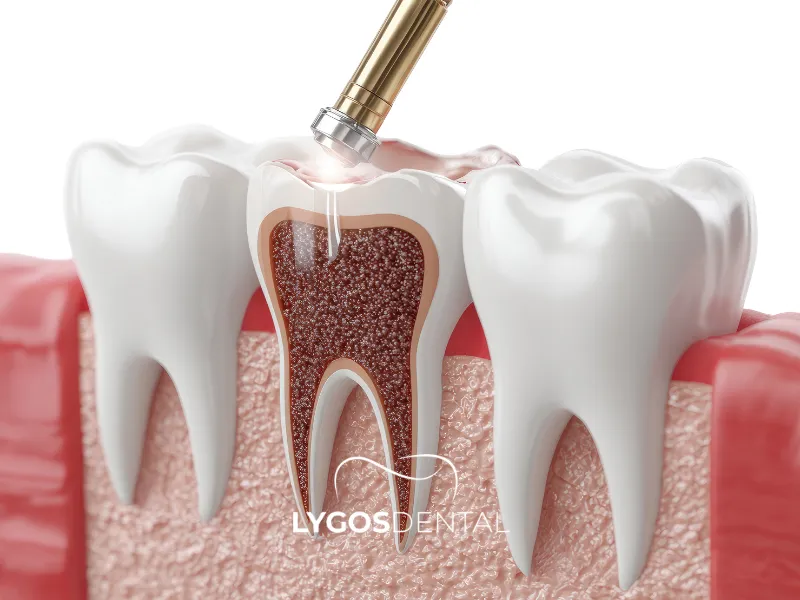
Tooth erosion happens when acids dissolve enamel, the hard outer layer that protects your teeth. Unlike tooth decay, which involves bacteria, erosion is a chemical process. Once enamel is lost it does not grow back, so early detection and prevention matter.
Common Causes Of Tooth Erosion
Most cases come from frequent acid contact with the teeth. In many people, more than one factor is involved.
Acidic Foods And Drinks
Acidic items soften enamel on contact. When exposure is frequent or prolonged, enamel wear accelerates.
- Citrus fruits and juices (orange, lemon, grapefruit), especially when sipped slowly or used in water throughout the day.
- Soft drinks, energy drinks, and many flavored sparkling waters.
- Wine and other acidic alcoholic drinks, particularly when consumed regularly.
Gastroesophageal Reflux Disease (GERD)
With reflux, stomach acid can reach the mouth and bathe the teeth. Erosion patterns from reflux often affect the inner (tongue-side) surfaces of upper teeth. If you suspect reflux, managing it can protect both your teeth and your overall health.
Frequent Vomiting
Repeated vomiting exposes teeth to strong stomach acid. This can happen with certain medical conditions, pregnancy-related nausea, or eating disorders. If this applies to you, getting medical support is important, and a dentist can help reduce further enamel loss.
Dry Mouth Or Reduced Saliva Flow (Xerostomia)
Saliva helps neutralize acids and supports natural remineralization. When saliva is reduced, acids stay on the teeth longer and enamel is more likely to soften and wear.
Environmental Factors
Frequent swimming in poorly balanced chlorinated pools can contribute to erosion if the water is too acidic. Some jobs with airborne acids can also raise risk.
Medications
Some medicines can reduce saliva flow or increase mouth acidity. If you notice dry mouth or new sensitivity after starting a medication, mention it to your dentist and prescribing clinician.
Symptoms And Early Signs

Erosion often starts quietly. Catching it early can prevent more extensive damage.
- Sensitivity to cold, hot, or sweet foods and drinks.
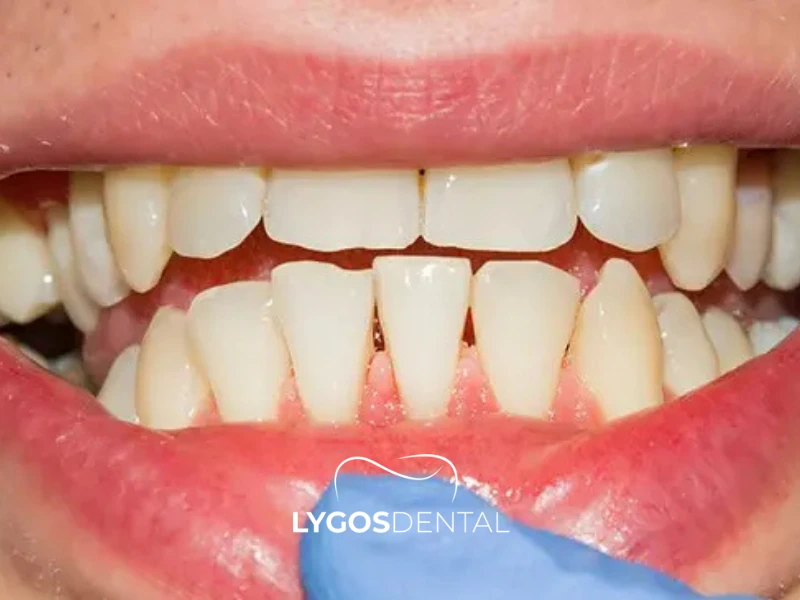
- Teeth that look dull, more yellow, or less bright as underlying dentin shows through.
- Smooth, rounded edges or slight changes in tooth shape.
- Chips, small cracks, or thin, translucent tips on front teeth.
- Unusually shiny areas on the tooth surface.
Stages Of Tooth Enamel Erosion
Dentists may describe erosion in stages based on how much enamel has been lost.
Initial stage: Mild softening and thinning of enamel. Sensitivity may begin, but changes can be subtle.
Moderate stage: More noticeable sensitivity and color changes. Edges may start to look rounded or worn.
Severe stage: Significant enamel loss with dentin exposure. Teeth are more likely to chip, crack, or develop restorations-related needs.
How To Prevent Tooth Erosion
The goal is to reduce acid contact, help enamel re-harden, and strengthen teeth with fluoride and good habits.
Change How You Consume Acidic Items
- Limit how often you sip acidic drinks. Frequency matters as much as quantity.
- Use a straw for acidic beverages to reduce contact with teeth.
- Have acidic foods and drinks with meals rather than between meals.
- Finish with water to rinse acids away.
Avoid Brushing Immediately After Acid Exposure
After acidic foods or drinks, enamel is temporarily softened. Rinse with water and wait about 30 minutes before brushing so saliva can help the surface re-harden.
Use Fluoride And Gentle Brushing
- Brush twice daily with fluoride toothpaste and a soft-bristled toothbrush.
- Avoid aggressive scrubbing and abrasive whitening pastes if you already have erosion.
- Ask your dentist if you would benefit from a higher-fluoride toothpaste or professional fluoride varnish.
Support Saliva
- Sip water regularly throughout the day.
- Chew sugar-free gum to stimulate saliva after meals.
- If you have persistent dry mouth, ask about saliva substitutes or medication adjustments where appropriate.
Treatment Options
Treatment depends on severity and the cause. Your dentist may recommend one or more of the following:
- Fluoride varnish or prescription-strength fluoride to reduce sensitivity and strengthen remaining enamel.
- Dental bonding to cover worn areas and restore shape.
- Veneers or crowns for advanced erosion where tooth structure needs protection and reinforcement.
- A night guard if erosion is combined with heavy tooth wear from grinding.
- Medical management of underlying causes such as reflux, when relevant.
When To See A Dentist

Book an exam if you notice new sensitivity, visible yellowing, chips, or changes in tooth shape. If you regularly experience heartburn, reflux, or frequent vomiting, let your dentist know—addressing the root cause can prevent ongoing damage.
FAQ
Tooth wear treatment
Treat with fluoride, nightguard, diet changes, bonding or crowns, and manage reflux/bruxism.
Tooth wear treatment cost
Ranges from $0–$5,000+ per tooth, depending on severity and restoration type.
Causes of tooth wear
Main causes are acidic erosion, grinding, aggressive brushing, and acidic drinks or reflux.
Main causes are acidic erosion, grinding, aggressive brushing, and acidic drinks or reflux.
Symptoms include sensitivity, flattening, chips, translucency, shortened teeth, and jaw pain.