

A sharp, lingering tooth pain has a way of reshuffling priorities. You stop chewing on one side. You avoid cold drinks. And somewhere between an awkward conversation with your dentist and a half-understood explanation of “inflamed nerves,” the phrase root canal treatment shows up. If you’re looking into options in Yenibosna — particularly as an international patient weighing treatment in Istanbul — a few things are worth understanding before booking anything.
Why Yenibosna Has Become a Quiet Hub for Dental Care
Yenibosna sits on the European side of Istanbul, close to the airport and well-connected by metro. That matters more than it sounds. Patients flying in often want a location that doesn’t eat half the day in traffic. Clinics in the area have adapted to that reality, and the district has grown into a practical choice for dental treatment, especially for anyone combining a short stay with procedures that may need more than one visit.
Table of Contents
What Actually Happens During Root Canal Treatment
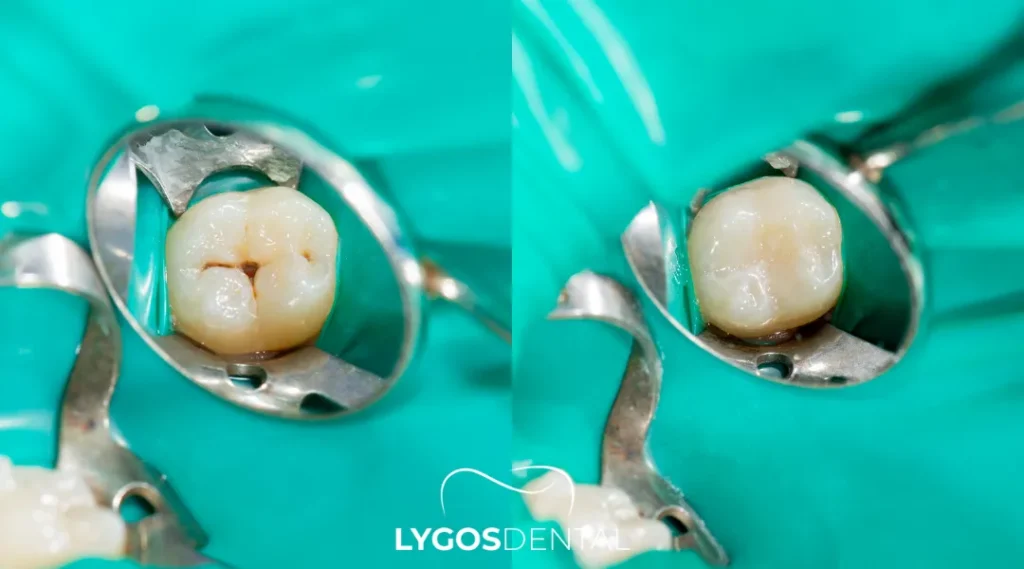
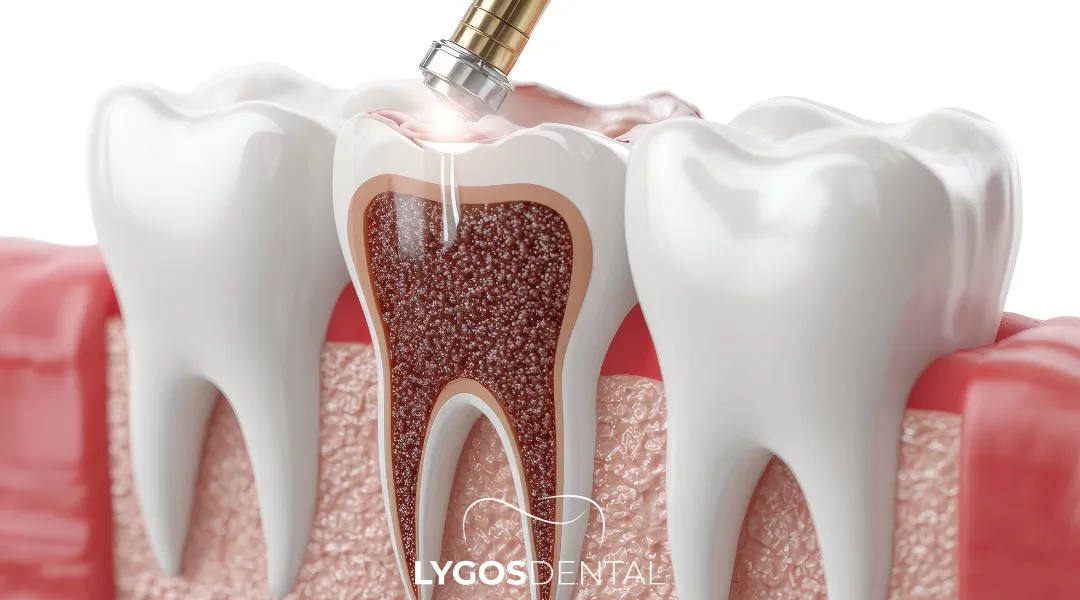
The procedure is more routine than its reputation suggests. When the inner pulp of a tooth becomes infected or inflamed — often from deep decay, a crack, or repeated dental work — the dentist removes the damaged tissue, cleans the canals inside the root, and seals them. A crown or filling goes on top afterward to protect what remains.
- Digital imaging to confirm the diagnosis
- Local anesthesia so the area stays numb throughout
- Removing infected pulp and shaping the canals
- Sealing the canals with a biocompatible material
- Restoring the tooth with a permanent filling or crown
Most patients are surprised by how little discomfort they feel during the visit itself. The pain tends to arrive before the appointment, not after.

Signs You Might Need Endodontic Care
Not every ache means a root canal. But a few patterns tend to point that way:
- Lingering sensitivity to hot or cold that lasts long after the trigger
- A dull, throbbing pain that worsens at night
- Tenderness when biting on a specific tooth
- A small pimple-like swelling on the gum near the tooth
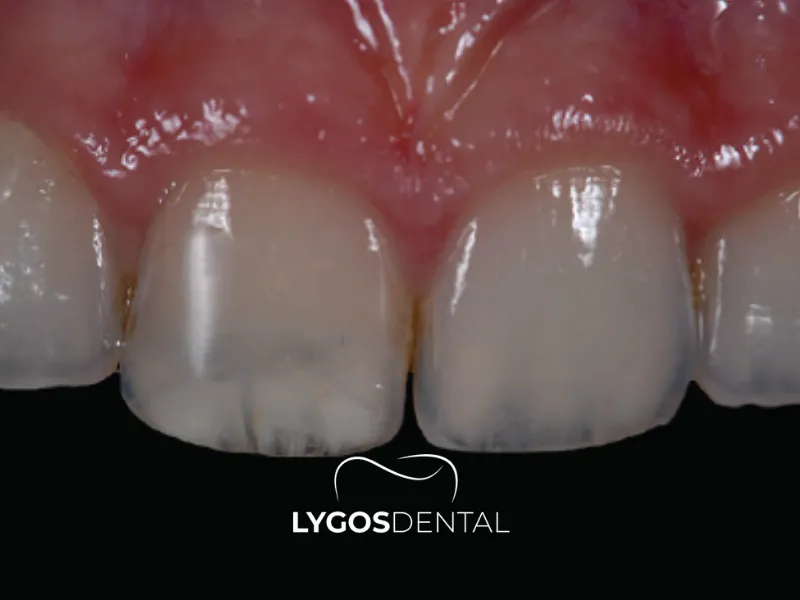
- A tooth that has gradually darkened
Catch these early and treatment is usually simpler. Wait too long, and the options narrow.
How Modern Diagnostic Tools Change the Experience
Digital X-rays, 3D imaging, and apex locators have reshaped how endodontic work gets done. Dentists now see canal anatomy with a clarity that wasn’t possible twenty years ago. That means fewer surprises mid-procedure and a more predictable outcome. At Lygos Dental, the evaluation usually starts with this kind of digital workup — not because it sounds impressive on paper, but because it genuinely shortens the guesswork.
The Role of Careful Planning Before Treatment Begins
Good endodontic work isn’t improvised. The dentist studies the tooth’s anatomy, checks for extra canals that don’t always show on a standard X-ray, and considers how the final restoration will sit with the rest of your bite. Skipping this stage is where trouble tends to start — either with reinfection later, or with a crown that doesn’t feel right when you chew.
Aftercare and Recovery Without the Guesswork
Most people return to normal routines within a day or two. The treated tooth might feel slightly tender for a few days, especially when chewing, and that’s expected. A few habits help:
- Avoid biting directly on the treated tooth until the permanent restoration is placed
- Stick to softer foods for the first 48 hours
- Keep brushing and flossing gently around the area
- Take any prescribed anti-inflammatory medication as directed
If discomfort grows instead of fading, that’s a call-the-clinic moment, not a wait-and-see one.
Cost Factors International Patients Should Understand
Asking how much a root canal costs in Yenibosna usually gets a frustrating answer: it depends. And it really does. The number of canals, whether a crown is needed, the material of that crown, imaging, and any pre-existing infection all shift the final figure. For patients from Western Europe, the total — even with travel — often lands well below what they’d pay at home, with prices quoted in euros. Serious clinics will give you a written plan after evaluation rather than a generic quote over a chat app.
Choosing a Clinic That Feels Organized Rather Than Rushed
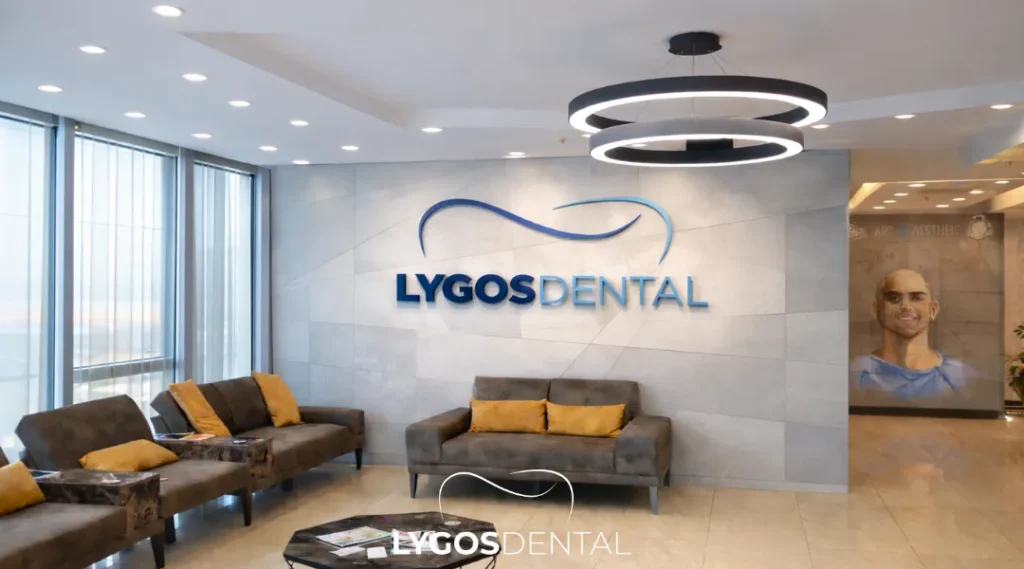
This part matters more than technique brochures suggest. A clinic that books you into a rushed slot, skips proper imaging, and hands you a treatment plan in thirty seconds isn’t offering you value — it’s offering you speed. Clinics such as Lygos Dental tend to work the other way: evaluation first, a clear explanation of what’s happening inside the tooth, and a step-by-step plan that accounts for how your stay in Istanbul is structured. For someone flying in, that organization is the difference between a calm trip and a stressful one.
Final Thoughts
Root canal treatment has a reputation problem it doesn’t quite deserve. With proper planning, modern diagnostic tools, and a dentist who takes time to explain what the tooth actually needs, the experience is closer to routine than dramatic. For international patients weighing options in Yenibosna, the deciding factor usually isn’t the procedure itself. It’s whether the clinic communicates clearly before you arrive, plans thoroughly once you’re there, and stays reachable afterward. A structured process, in the end, is what separates a forgettable appointment from a good one.
FAQ
How long does root canal treatment take in Yenibosna?
Most cases finish in one or two visits of roughly 60 to 90 minutes each. More complex cases with multiple canals or stubborn infections may need an additional appointment, which a structured clinic will flag during the initial evaluation.
Is root canal treatment painful?
Not during the procedure, thanks to local anesthesia. Mild soreness for a day or two afterward is normal, but sharp or worsening pain isn't and should be reported to the clinic promptly.
Can I fly back home the day after a root canal?
In most cases, yes. Patients are often cleared to travel within 24 hours, though it's worth confirming with the dentist based on your specific treatment and whether a temporary or permanent crown was placed.
Should I choose a root canal or an extraction?
Saving the natural tooth is usually preferred when the structure allows it. Extraction becomes the realistic option only when the tooth is too damaged to support a crown, and a clinic like Lygos Dental will walk you through both paths before you decide.
Do I need a crown after root canal treatment?
In most back teeth, yes — a crown protects the tooth from fracturing under chewing pressure. Front teeth sometimes manage with a filling, but it depends on how much healthy tooth structure remains after the procedure.