

Why Istanbul Became a Serious Option for Smile Design
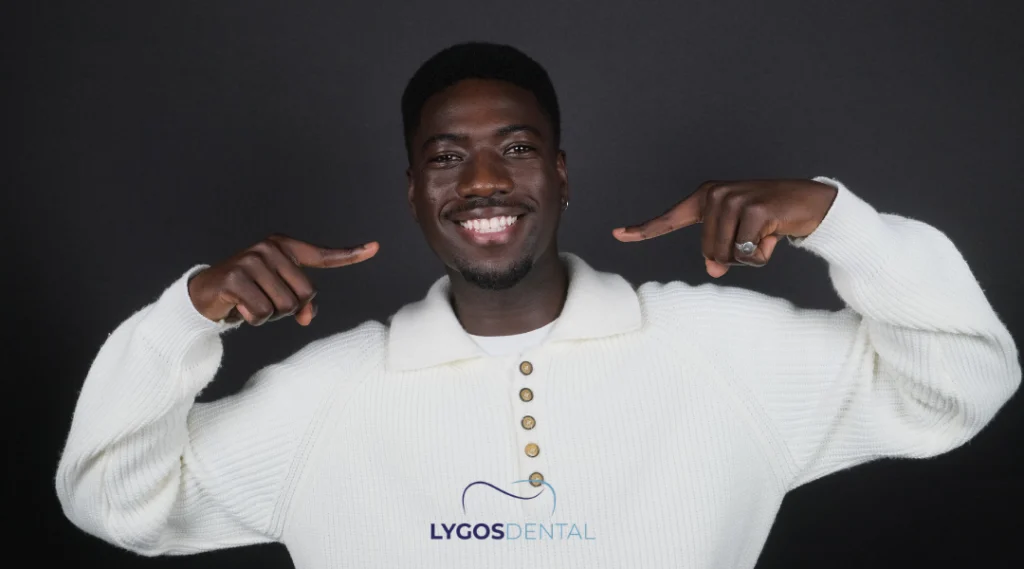
Walk into any consultation room in Nisantasi or Levent and you’ll hear a similar story. A patient flies in from London, Berlin, or Amsterdam, opens a folder of photos, and asks for a smile that looks natural on camera but still feels like their own. That expectation, calm but specific, is what has reshaped dental aesthetics in the city over the last few years.
Table of Contents
Istanbul didn’t become a smile design hub by accident. The combination of experienced prosthodontists, digital planning tools, and a steady flow of international patients pushed clinics to refine their process. Today, the best ones treat smile design less like a cosmetic shortcut and more like a structured, multi-stage plan.
And prices? They vary more than most people expect. Not because the market is chaotic, but because every smile is built on different variables.
What Smile Design Actually Involves
Smile design is not a single treatment. It’s a planning approach. The dentist studies tooth proportions, gum line, lip dynamics, facial symmetry, and how the smile moves when you speak. Then a plan is built around all of that.
In practice, a smile design case in Istanbul usually includes one or several of these:
- Digital smile analysis and mock-up design
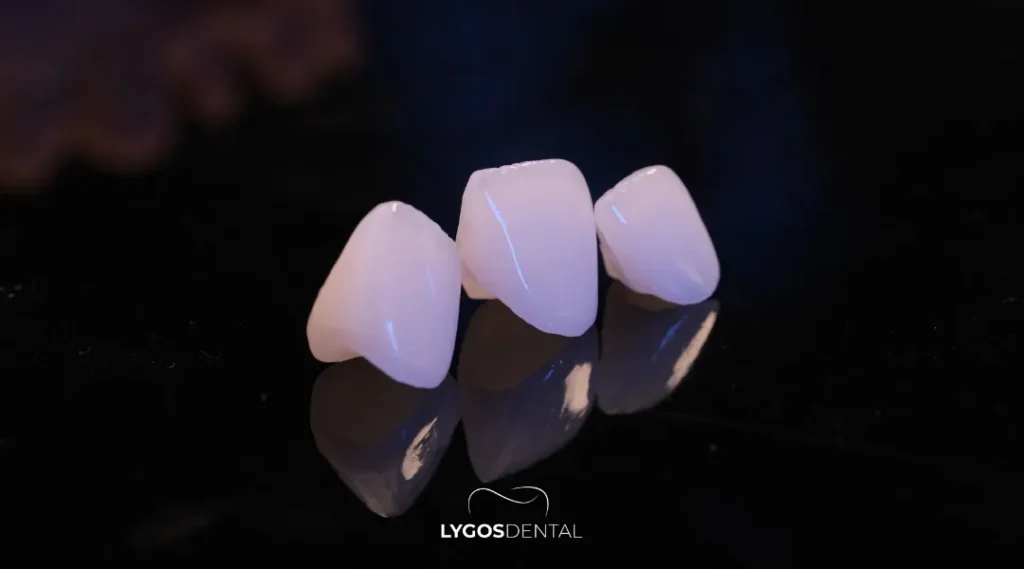
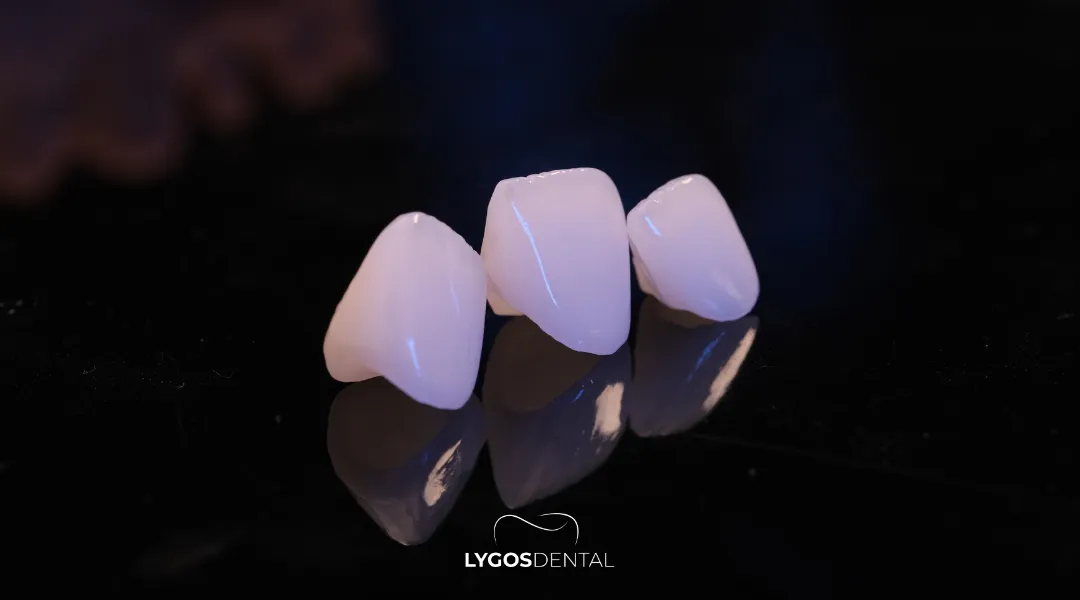
- E-max or zirconium veneers
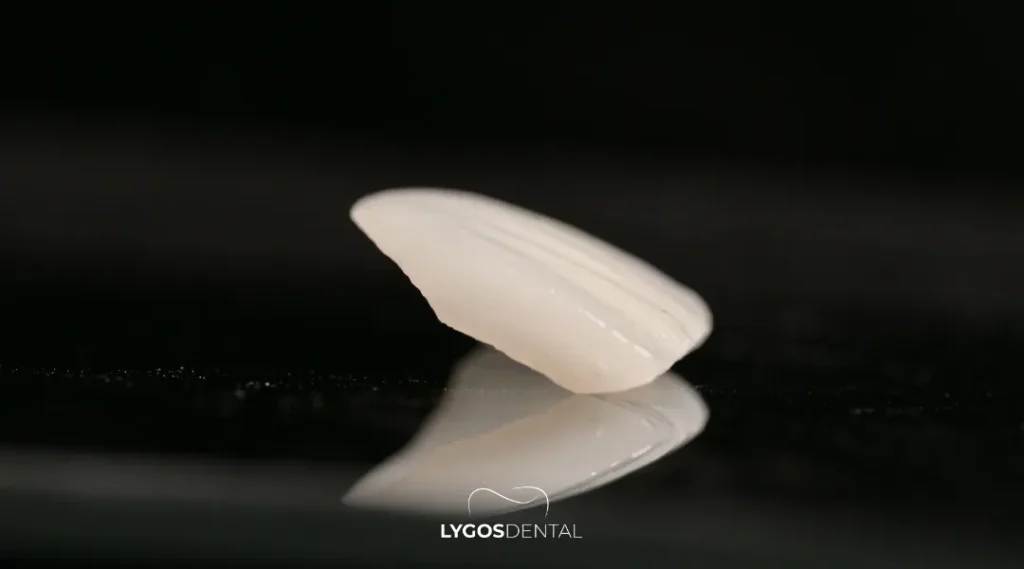
- Laminate veneers for minimal-prep cases
- Gum contouring when needed
- Teeth whitening before final shade selection
- Bite and occlusion adjustments
So when a clinic quotes a single flat fee, that’s often a simplified number. The real cost depends on what the smile actually needs.
How Istanbul Clinics Approach Planning
Good smile design work starts long before the drill. At well-organized practices such as Lygos Dental, the first step is usually a digital evaluation: intraoral scans, photographs from multiple angles, and a preview of how the final smile might look on the patient’s face. This preview matters. It turns an abstract decision into something the patient can actually see and discuss.
The logic is simple. A smile that looks beautiful in isolation but wrong on the face is a failed design. That’s why international patients tend to notice the difference between clinics that rush into preparation and those that plan first, prepare later.
Pricing Logic: Why Numbers Differ So Much
International patients often arrive with a fixed number in mind. €3,000. €5,000. €8,000. The honest answer is that Istanbul smile design pricing depends on several real variables, not a single sticker price.
- Material choice. E-max laminates, zirconium crowns, and hybrid solutions sit at different price tiers.
- Number of teeth treated. Some patients need 8 veneers. Others need 16 or 20 for a balanced result.
- Additional procedures. Gum contouring, whitening, or minor orthodontic prep can shift the total.
- Lab and technician quality. This is the quiet factor most patients underestimate.
- Planning depth. Clinics that invest time in digital design usually price accordingly.
A rough, honest range for a full smile design in Istanbul tends to sit meaningfully below equivalent work in Western Europe. But chasing the lowest euro figure is rarely a good strategy here. The real question is what’s included.
What International Patients Should Evaluate Before Booking
Travel adds pressure. You have limited days in the city and no easy way to return if something feels rushed. So the evaluation has to happen before the flight, not after landing.
A few practical checks tend to separate structured clinics from improvised ones:
- Is there a real online consultation, or just a price quote?
- Do they ask for photos and, ideally, recent X-rays?
- Do they explain material options instead of pushing one?
- Is the treatment timeline realistic for your stay?
- Is aftercare communication part of the plan?
Clinics like Lygos Dental typically frame this upfront, which is what most international patients actually need — clarity, not pressure.
Materials: E-max, Zirconium, and the Hybrid Conversation
The material debate can get technical fast. Keep it simple. E-max tends to shine in front-tooth cases where translucency and natural light behavior matter most. Zirconium is stronger and often preferred for back teeth or full-arch rehabilitation. Many Istanbul cases end up using both, depending on the tooth position.
A serious clinic won’t sell you a material. They’ll explain why a specific combination fits your bite, your aesthetic goals, and the long-term durability of the work. If someone insists on one material for every patient regardless of case, that’s usually a signal.
The Istanbul Treatment Journey in Practice
Most international smile design cases follow a recognizable rhythm. Consultation and digital planning happen remotely. On arrival, there’s a detailed in-clinic evaluation, impressions, and a mock-up session. Preparation and temporary restorations come next, usually within the first few days. Final restorations are fitted near the end of the stay after shade and fit are confirmed.
Seven to ten days is the typical window. Rushing it into three or four days is possible but rarely ideal, especially for extensive cases. The body needs a little time. So does the lab.
Red Flags Worth Watching For
Not every clinic in the city works at the same standard. Some patterns are worth noticing early:
- Pricing that changes dramatically after arrival
- No digital preview before preparation
- Pressure to treat far more teeth than the original plan
- Unclear aftercare or follow-up arrangements
- Marketing that leans on celebrity photos rather than clinical reasoning
A good clinic is usually calm about its process. It doesn’t need to oversell.
Final Thoughts
Istanbul offers real depth in smile design, but the city isn’t a single product. It’s a market with genuinely strong clinics and some that simply aren’t. The difference almost always comes down to planning quality, material honesty, and how the patient is guided through the process.
For international patients weighing the decision, the practical advice is this: pick a clinic that explains before it prepares. Lygos Dental is one example of that structured approach, where the conversation starts with analysis and ends with a clear plan rather than a rushed quote. That’s usually what makes the trip feel worth it — not the lowest price, but a smile that still looks right five years later.
FAQ
How much does smile design cost in Istanbul for international patients?
Costs vary widely based on material, number of teeth, and additional procedures like gum contouring or whitening. Istanbul pricing is generally lower than Western Europe, but the honest range depends on the specific plan rather than a flat package figure.
How many days should I stay in Istanbul for a full smile design?
Most cases need seven to ten days. This allows time for digital planning, preparation, lab work, and final fitting without rushing shade selection or bite adjustments.
Should I choose E-max or zirconium veneers?
E-max tends to suit front teeth where natural translucency matters. Zirconium is stronger and often chosen for back teeth or full-arch cases. Many Istanbul plans use both depending on tooth position and bite load.
Can I get a smile design consultation before flying to Istanbul?
Yes. Structured clinics such as Lygos Dental typically offer online consultations with photo and X-ray review, so the main plan is already discussed before you travel. This reduces surprises on arrival.
What should I check before booking a smile design clinic in Istanbul?
Ask about digital planning, material options, timeline, lab quality, and aftercare. Avoid clinics that quote a single price without evaluating your case or push a specific material regardless of your needs.