A severe toothache rarely stays “small” for long. It starts as sensitivity, turns into pressure, then begins to affect sleep, meals, and concentration. For many international patients searching for root canal treatment in Istanbul, the real question is simple: can the tooth be saved without extraction? In many cases, yes. Root canal treatment is designed to remove infected pulp, clean the canals, and keep the natural tooth in place rather than losing it altogether.
Table Of Contents
What Root Canal Treatment in Istanbul Actually Means
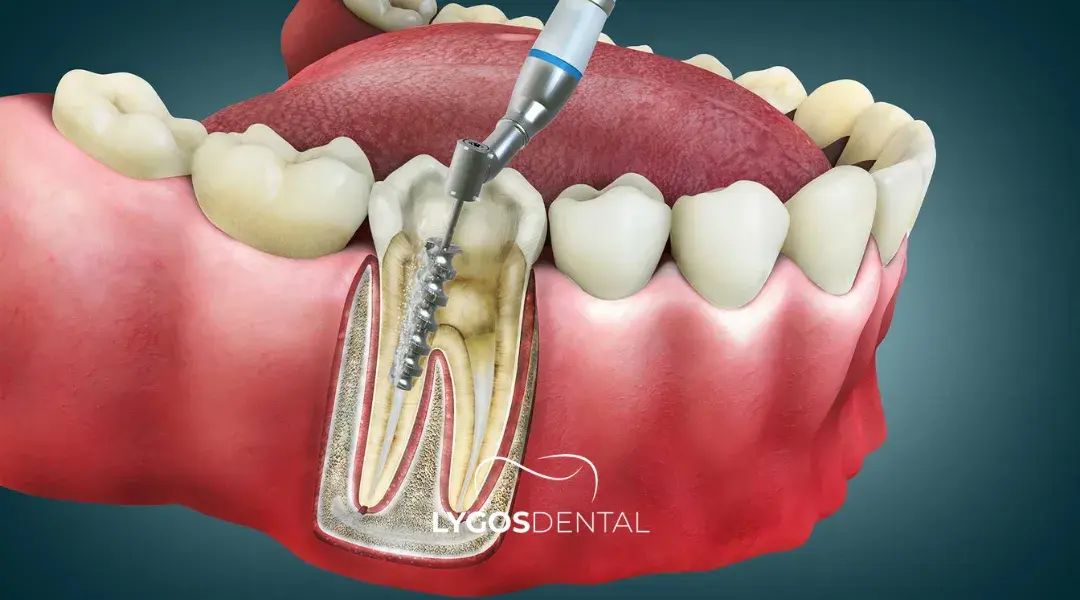
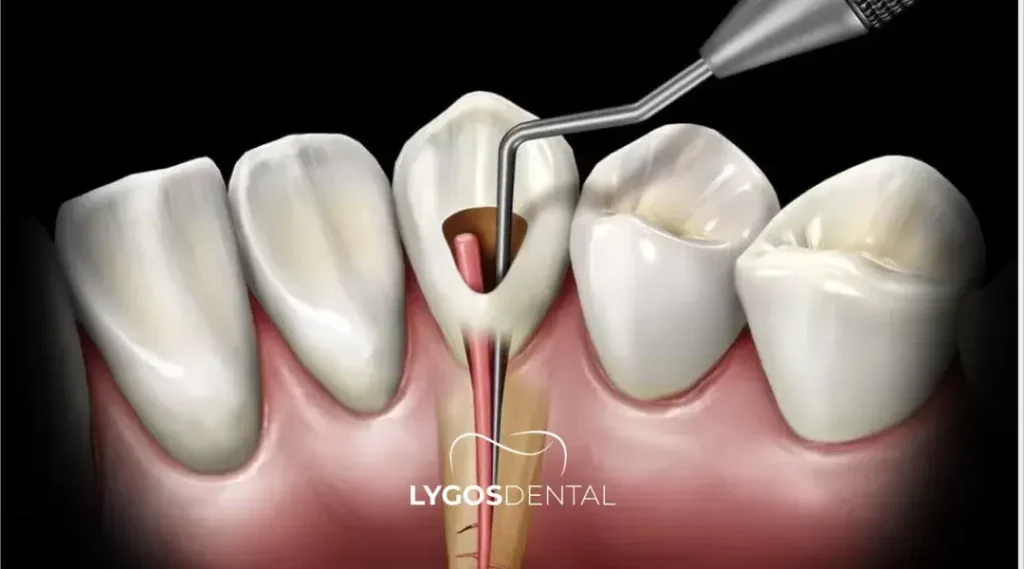
Root canal treatment is an endodontic procedure used when the inner pulp of the tooth becomes inflamed or infected because of deep decay, trauma, cracks, or repeated dental work. The dentist removes the infected tissue, disinfects the canals, and seals the tooth to reduce the risk of reinfection. In many cases, the tooth is then restored with a filling or crown, depending on how much structure remains.
For patients traveling to Istanbul, the treatment itself is only one part of the decision. Diagnosis matters just as much. A careful clinic should evaluate the number of canals, the level of infection, the long-term prognosis of the tooth, and whether the tooth will need further protection after treatment. Lygos Dental presents this kind of structured planning and clear communication as a core part of its patient approach in Istanbul.
Signs That the Nerve May Be Infected
Not every painful tooth needs a root canal, but some symptoms point strongly in that direction. Patients often delay treatment because the discomfort comes and goes, which can be misleading.
Typical warning signs include:
lingering sensitivity to hot or cold
throbbing pain, especially at night
pain when biting or chewing
swelling around the gum
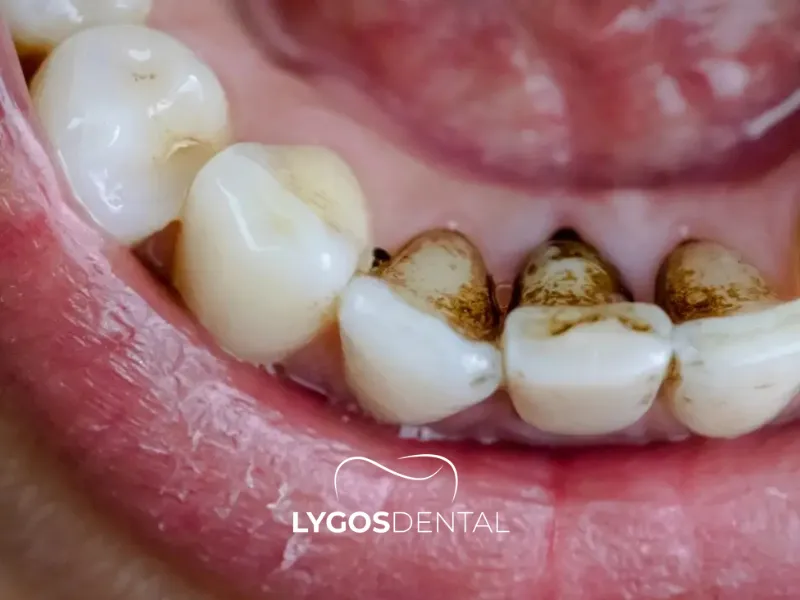
a tooth that darkens or changes color
discomfort after previous deep fillings
Lygos Dental’s root canal guidance also notes that pain can sometimes feel mild even when infection is already present near the root tip, which is why an exam and X-ray matter more than guesswork.
Why Saving the Tooth Matters
Extraction may sound like the faster answer, but it usually creates a second problem: now the missing tooth has to be replaced. That can mean an implant, a bridge, or another restorative option, each with its own cost, timeline, and planning requirements. A root canal, when the tooth is still restorable, can keep your natural bite more stable and avoid a larger treatment chain.
This is why many patients prefer to explore root canal treatment first. Preserving the natural tooth is often the more conservative route, and it allows the dentist to focus on repair rather than replacement. In a clinic setting that values long-term treatment logic, that distinction matters.
How the Treatment Process Usually Goes
The steps are fairly straightforward, but the quality of execution makes a real difference. A typical process includes examination, X-rays, local anesthesia, access opening, pulp removal, cleaning and shaping of the canals, disinfection, and sealing. If needed, the tooth is then restored with a filling or crown.
Some cases finish in one appointment. Others take more than one visit, especially when:
the tooth is a molar with multiple canals
the canals are narrow, curved, or calcified
there is an active abscess
an older root canal needs retreatment
medication is placed inside the canal between visits
That is why a serious clinic should explain not just the procedure, but also why your case may take longer than someone else’s.
Choosing a Clinic in Istanbul as an International Patient
Istanbul offers a wide range of dental clinics, which makes comparison essential. International patients should look beyond simple marketing claims and focus on whether the clinic communicates clearly, evaluates the case properly, and provides a written treatment plan.
Lygos Dental positions itself around straightforward communication, personalized treatment planning, and structured aftercare for patients who travel. That matters in root canal cases because post-treatment follow-up, restoration planning, and comfort guidance should not feel improvised.
A sensible checklist includes:
digital imaging and proper diagnostic evaluation
clear explanation of whether the tooth is savable
honest discussion of crown or filling needs afterward
transparent pricing after assessment
aftercare instructions that make sense for travelers
Root Canal Treatment Cost in Istanbul in Euro
For international patients, pricing is usually discussed in euro rather than local currency. Lygos Dental’s 2026 root canal treatment page states that root canal treatment in Turkey generally ranges from about €65 to €210 per tooth when converted from the clinic’s published dollar guidance of approximately $70 to $230, depending on the tooth and case complexity. The clinic’s broader country comparison content also places root canal treatment in Turkey around €100 to €250 as a general reference range.
The final fee can change based on:
whether the tooth is a front tooth or a molar
how many canals must be treated
whether infection is advanced
whether retreatment is needed
whether a crown is required afterward
That is why a single advertised number never tells the full story. Good treatment planning should explain both the clinical need and the financial scope before the procedure starts.
Does a Root Canal Hurt?
This remains the question patients ask most often, and old horror stories still shape expectations. In real clinical practice, root canal treatment is usually about relieving pain caused by infection, not creating new pain. Local anesthesia is part of the standard process, and modern treatment is typically far more manageable than patients expect. Lygos Dental’s guidance also describes root canal treatment as generally comfortable with local anesthesia.
The more important issue is untreated infection. That is usually what causes the intense pressure, throbbing, and sleep disruption people associate with dental emergencies.
What Happens After the Procedure
A successful root canal is not just about cleaning the canal. The tooth still needs to function safely afterward. In some cases, a filling is enough. In others, especially where there has been major structural loss, a crown may be recommended to protect the tooth from fracture over time. Lygos Dental notes that root-canal-treated teeth can become more brittle and may benefit from a porcelain crown for durability.
This part of the process often separates rushed treatment from thoughtful treatment. A clinic that plans the restoration properly is not just ending the infection. It is helping the tooth stay useful for the long run.
Final Thoughts
Root canal treatment in Istanbul makes sense when the goal is not just to stop pain, but to preserve the tooth with a plan that is clinically sound from start to finish. Diagnosis, canal complexity, restoration strategy, and aftercare all shape the outcome. Lygos Dental presents itself as a clinic that gives international patients a more structured experience, with clear communication, personalized planning, and practical follow-up rather than vague promises. For patients trying to make a careful decision, that kind of process is often what turns a stressful dental problem into a manageable one.
FAQ
How many visits does root canal treatment in Istanbul take?
It can take one or more visits, depending on the number of canals, the infection level, and whether the case is a retreatment.
How much does root canal treatment in Istanbul cost for international patients?
A realistic reference is roughly €65 to €210 per tooth based on Lygos Dental’s 2026 treatment page, with some broader Turkey comparisons placing it around €100 to €250.
Is it better to get a root canal or remove the tooth?
If the tooth can still be restored, saving it is often the more conservative and functional option.
Will I need a crown after a root canal?
Not always, but teeth with major structural loss often need extra protection after treatment.
Can I travel soon after treatment?
Many patients can travel normally, but it depends on symptoms, temporary restorations, and the treatment stage, so aftercare instructions should be clear before departure.



 Blog
Blog