
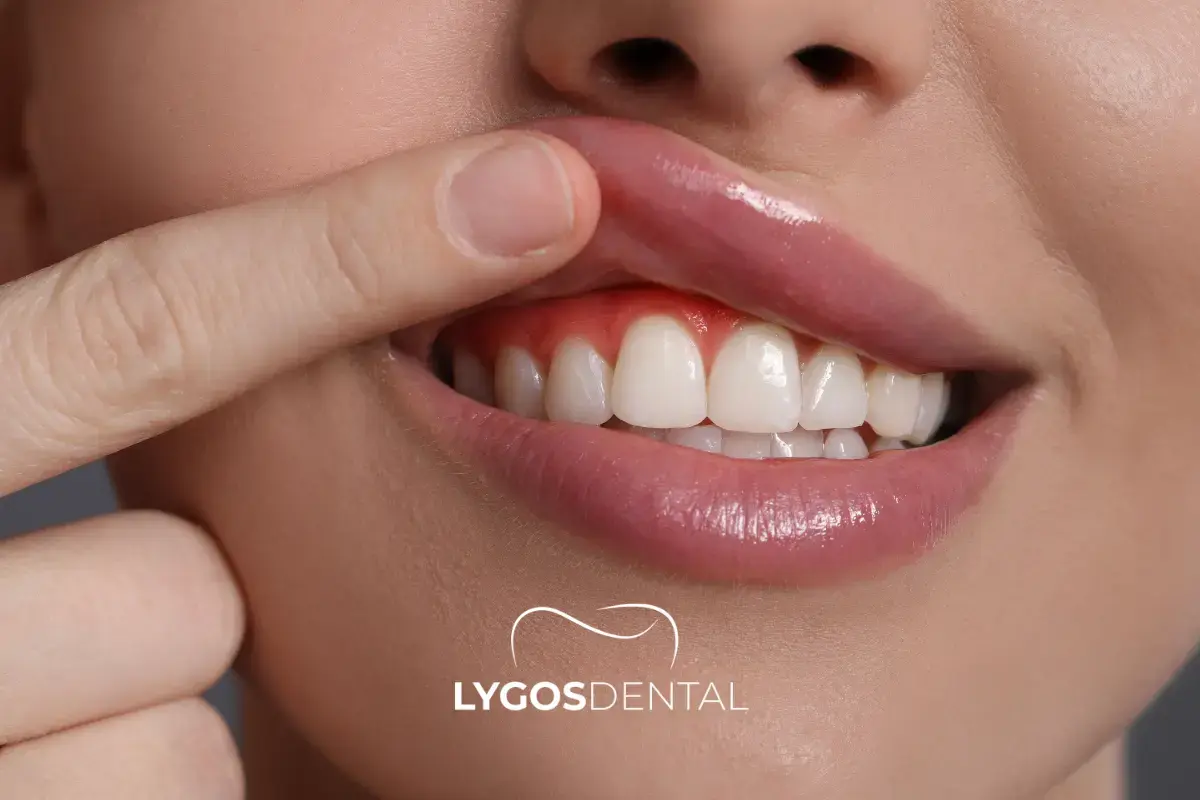
Itchy gums usually mean your gumline is irritated most often from plaque buildup and early gingivitis. It can also happen with product sensitivities, allergies, dry mouth, or something rubbing the gums (like a retainer). If itching comes with bleeding, swelling, bad breath, or loose teeth, book a dental check.
You’re not imagining it gums can itch, and it’s distracting. Some people notice it when they wake up, others after brushing, and some only around one tooth.
Most of the time, the explanation is simple: your gums are reacting to irritation or inflammation. The trick is figuring out what’s behind it so you treat the cause, not just the feeling.
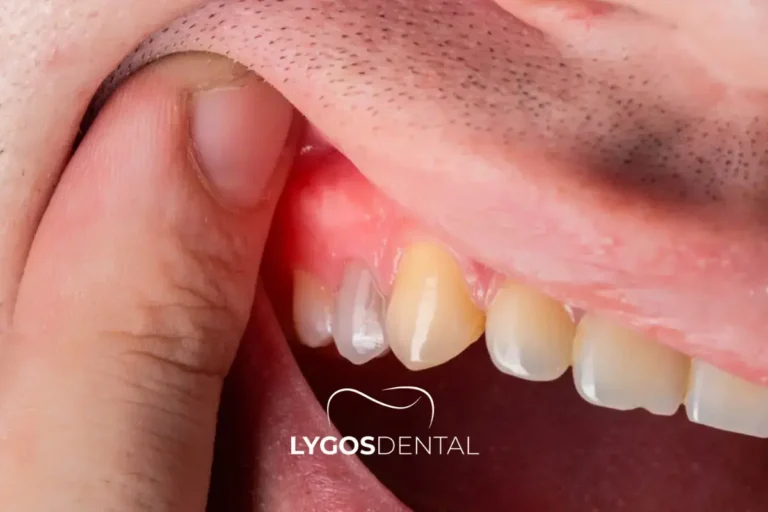
If you had to bet on one culprit, it’s plaque along the gumline. Plaque is that soft, sticky layer that builds up every day. When it sits near the gums, the tissue gets inflamed and may feel itchy, tender, or “tickly.” That early stage is called gingivitis.
Signs that point toward gingivitis:
The good part: gingivitis is often reversible with proper cleaning and professional support.
If the itching started right after switching toothpaste, mouthwash, whitening strips, or even a new flavored floss, a sensitivity is possible. Flavoring agents (cinnamon is a known example) can trigger contact reactions in some people.
A helpful clue: the itching shows up soon after use and improves when you stop that product.
A dry mouth can leave tissues feeling irritated and more vulnerable. Saliva normally buffers acids and helps control bacteria; when there’s less saliva, gums may feel “off,” and the risk of gum problems goes up.
Retainers, aligners, dentures, or a rough edge on a filling/crown can rub the gumline and keep it inflamed. If the itch is in one spot—and especially if it’s sore—that mechanical irritation is worth checking.
If you’ve recently started flossing again (or you’re snapping floss down hard), the gums can feel irritated at first. With gentle technique and consistency, cleaning between teeth is one of the best ways to calm gum inflammation over time.
If gum disease progresses, symptoms can shift from “itchy” to bleeding, recession, and sometimes tooth looseness. That’s one reason persistent itching shouldn’t be brushed off.
If the itching is mild and you’re not seeing obvious swelling or pain, start here:
Brush twice daily and clean between your teeth once a day (floss or an interdental cleaner). Consistency matters more than intensity.
If you recently changed toothpaste or mouthwash, switch back to a plain, mild option for a week. If the itch fades, you’ve learned something useful.
A warm saltwater rinse can feel calming for irritated gums. Keep it gentle; harsh rinses or overuse of strong mouthwashes can sometimes make irritation worse.
Run your tongue along the area does something feel sharp, tight, or scratchy? Don’t file or cut anything yourself. If it’s a retainer/aligner, contact your dental team for advice.
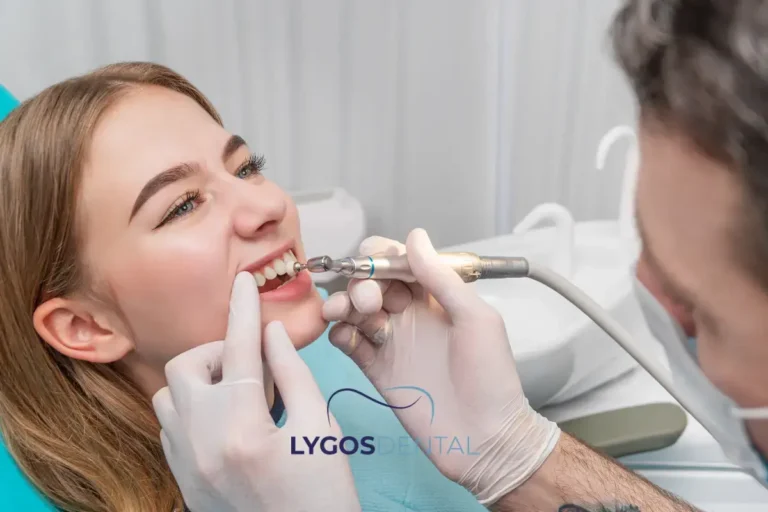
If plaque and tartar are driving the irritation, a professional cleaning removes what home care can’t. This is often the turning point for persistent itchy/bleeding gums.
Your dentist may measure gum pockets, check for inflammation, and guide you on the right interdental tools for your spacing and gum health. Early support can help prevent progression.
If a retainer or aligner is pinching, or a restoration edge is irritating the gum, a small adjustment can make a big difference.
Make an appointment if you notice:
The NHS also advises seeing a dentist for bleeding gums, painful swelling, or bad breath related to gum disease symptoms.
You can contact us here to learn more about Cosmetic Dentistry, Dental Crown, Dental Implant and General Dentistry to make an appointment and to get information about our services.
It can be. Contact reactions inside the mouth are often linked to flavorings or ingredients in oral hygiene products. If symptoms started after a switch, stop that product and ask your dentist what to use instead.
If you have severe swelling, loose teeth, ulcers/red patches, or a lump, seek urgent dental advice.

Special Note:
Our treatments are provided by healthcare facilities that possess a health tourism authorization certificate
Special Note: Our treatments are provided by healthcare facilities that possess a health tourism authorization certificate
Selenium Retro, Ataköy 7-8-9-10. Kısım, D-100 Güney Yanyolu No:18/A, 34158 Bakırköy/İstanbul
© 2025, LYGOS DENTAL. All Rights Reserved.