
Let’s be honest taking a child to the dentist isn’t always easy. Some kids are fine until they hear the sound of dental tools. Others feel nervous the moment they walk into the clinic. Bright lights, unfamiliar smells, and the fear of pain can quickly turn a simple appointment into a stressful experience.
This is where sedation dentistry for kids comes in. It’s not about forcing treatment. It’s about helping children feel calm, safe, and comfortable when dental care becomes too difficult for them to handle normally.
In this guide, we’ll explain sedation dentistry in a straightforward way. No complicated terms, no scary explanations. Just clear information parents actually want to know.
Sedation dentistry for children means using medication to help a child relax during dental treatment. Depending on the situation, the child might feel calm and awake, very sleepy, or in some cases, fully asleep.
The goal is simple: reduce fear and movement so the dentist can work safely and the child doesn’t feel overwhelmed. Sedation isn’t used for every child. It’s only recommended when regular dental care becomes too stressful or unsafe.
Many parents worry that sedation is “too much,” but in reality, it’s often the gentlest option for kids who struggle with dental visits.
Every child is different. Some kids sit through cleanings without a problem. Others can’t tolerate even a short exam. Sedation dentistry may be suggested when:
In these cases, sedation can actually protect the child emotionally and help prevent long-term dental anxiety.
Dentists always start with the mildest option possible. The level of sedation depends on the child’s needs.
Nitrous Oxide (Laughing Gas)
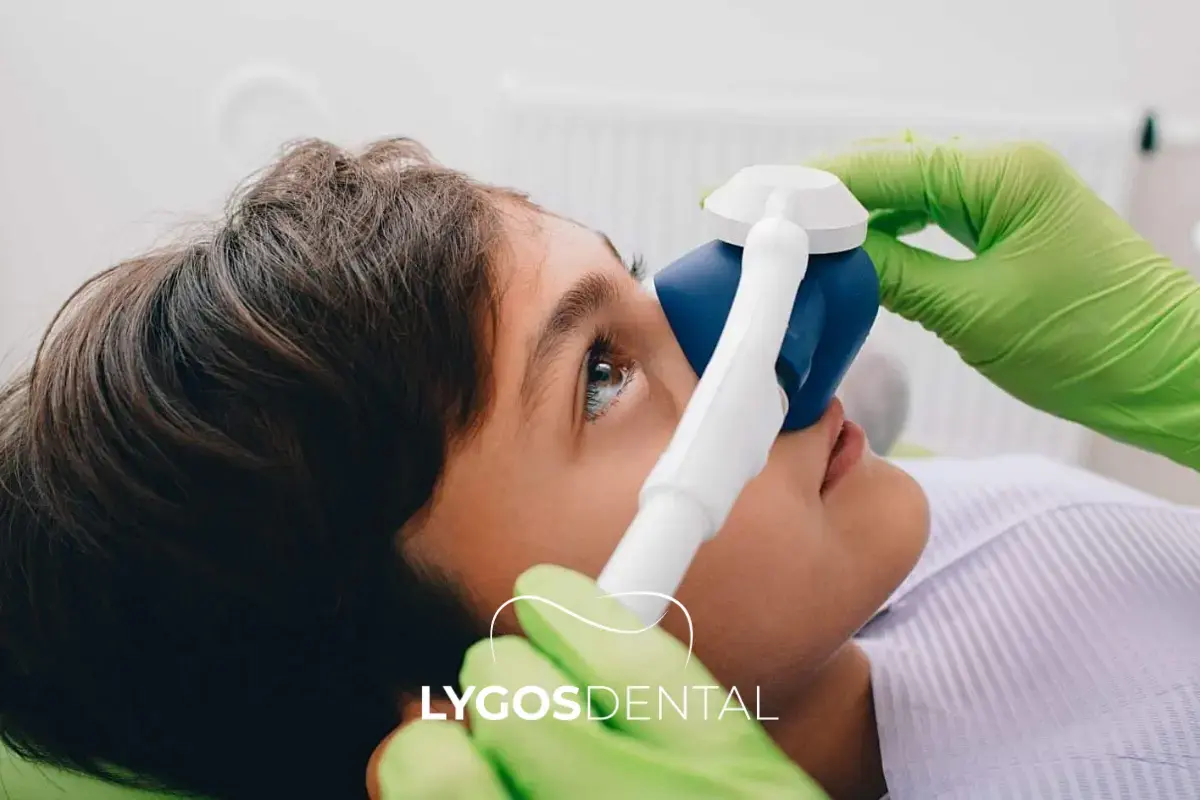
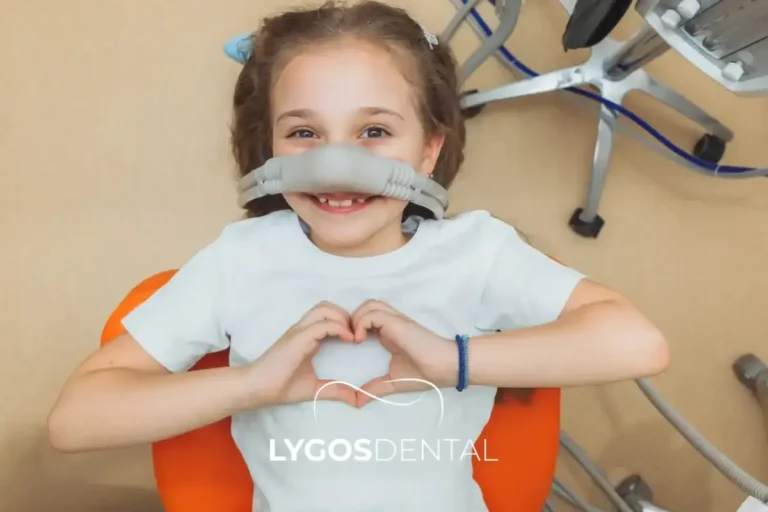
This is the most common choice. The child breathes laughing gas through a small mask. It helps them relax, but they stay awake and responsive. Once the mask is removed, the effects wear off quickly.
Oral Sedation
Oral sedation is given before the appointment, usually as a liquid. It makes the child drowsy and deeply relaxed. Many children don’t remember much of the procedure afterward.
IV Sedation
IV sedation is used when deeper relaxation is needed. It works quickly and is closely monitored by trained professionals throughout the treatment.
General Anesthesia
This is only used in special cases, such as extensive dental work or children with special needs. The child is completely asleep during the procedure.
One important thing parents often overlook is the emotional side. A stressful dental visit can stay with a child for years. Sedation dentistry helps avoid that.
When children feel calm and safe, they are more likely to trust the dentist in the future. It also allows dentists to finish treatment properly, sometimes in fewer visits, which is easier for everyone involved.
Yes, when it’s done by trained professionals, sedation dentistry is considered safe. Before recommending sedation, the dentist reviews the child’s health history, age, weight, and any medical conditions.
During the procedure, the child’s breathing, heart rate, and oxygen levels are monitored constantly. Modern safety guidelines and equipment make serious complications very rare.
The most important factor is choosing an experienced pediatric dental clinic.
Preparation matters more than people think. Parents should follow all instructions from the dental clinic, especially rules about eating or drinking before the appointment.
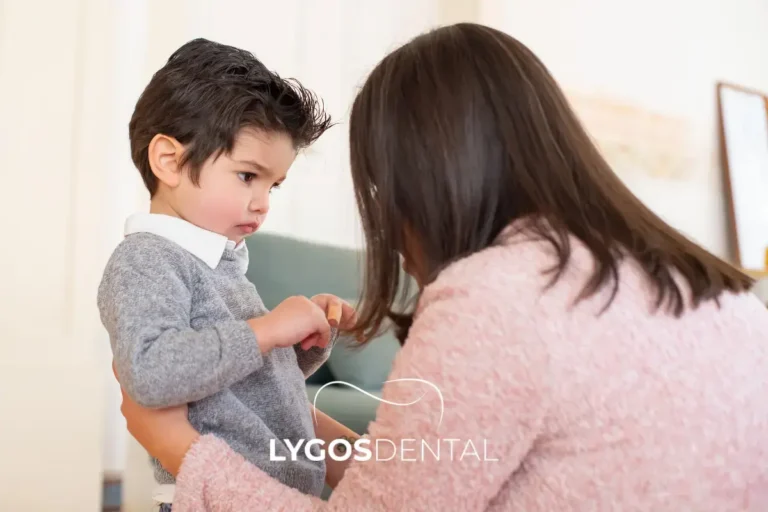
When explaining the visit, keep things simple. Avoid words like “pain” or “needle.” After treatment, it’s normal for kids to feel tired, emotional, or a bit confused. This usually passes within a few hours.
You can contact us here to learn more about Cosmetic Dentistry, Dental Crown, Dental Implant and General Dentistry to make an appointment and to get information about our services.
Dental sedation helps calm a child’s nervous system. Depending on the type used, the child may feel relaxed, sleepy, or fully asleep while being carefully monitored.
Dentists may use laughing gas, oral sedation, IV sedation, or general anesthesia based on the child’s needs and the type of treatment.
Yes. Many 6-year-olds receive sedation due to anxiety, difficulty sitting still, or the need for more complex dental treatment.
Use calm and simple words. You can say the dentist will give them medicine to help them relax or feel sleepy while fixing their teeth.
Side effects are usually mild, such as sleepiness or nausea. Serious risks are rare when sedation is done by trained professionals.

Special Note:
Our treatments are provided by healthcare facilities that possess a health tourism authorization certificate
Special Note: Our treatments are provided by healthcare facilities that possess a health tourism authorization certificate
Selenium Retro, Ataköy 7-8-9-10. Kısım, D-100 Güney Yanyolu No:18/A, 34158 Bakırköy/İstanbul
© 2025, LYGOS DENTAL. All Rights Reserved.