


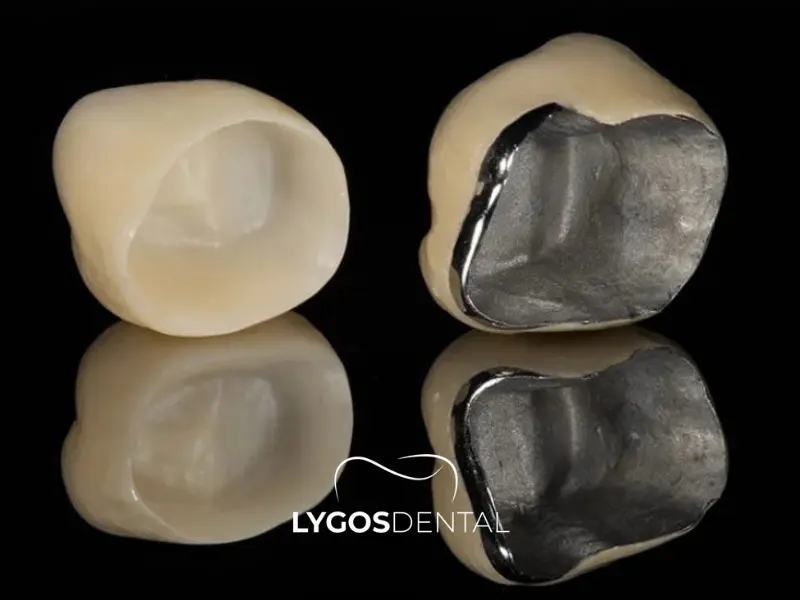
Циркониевая коронка или коронка с металлической опорой?
Zirconia crowns (often called “zirconium” crowns) are metal‑free ceramic crowns valued for a natural, light‑reflecting look and good gum tolerance. Metal‑supported crowns (porcelain‑fused‑to‑metal) use a metal core for proven strength, but may look more opaque and can show a gray line if gums recede. The best choice depends on tooth location and bite forces.
Что такое циркониевая (циркониевая) коронка?

A zirconia crown is an all‑ceramic crown made from zirconium dioxide, a high‑strength dental ceramic. Many clinics call it a “zirconium crown,” but the crown itself is zirconia. Because it contains no metal, it can look closer to a natural tooth, especially near the gumline.
Zirconia crowns are commonly produced with digital scanning and CAD/CAM milling for a precise fit. They can be made as monolithic zirconia (one solid piece) for strength, or layered with porcelain for extra translucency in visible areas. Your dentist will choose the design based on where the tooth sits and how you bite.
Что такое коронка с металлической опорой (PFM)?
A metal‑supported crown is usually a porcelain‑fused‑to‑metal (PFM) crown. It has a metal substructure for strength with a porcelain outer layer for tooth‑colored appearance. PFM crowns have a long clinical track record and are still used widely, especially where durability matters.
Because the core is metal, the crown can appear less translucent than natural enamel. If the gums recede over time, a thin dark line at the edge of the crown may become visible. This is mainly an aesthetic issue, but it can be a deciding factor for front teeth.
Цирконий и коронки с металлической опорой: ключевые различия
| Фактор | Циркониевая («Циркониевая») коронка | Коронка с металлической опорой (PFM) |
| Появление | Натурального цвета зубов и может отражать свет; нет металлического края у линии десен. | Сверху фарфор под цвет зубов, но может выглядеть более непрозрачным; металлический край может быть виден, если десны отступают. |
| Сила при силе укуса | Очень прочный и устойчивый к разрушению; монолитные конструкции часто выбирают при коренных зубах и тяжелом прикусе. | Прочный металлический каркас; В некоторых случаях фарфоровый винир может расколоться. |
| Вид линии десен с течением времени | Нет серой линии от металла; обычно более чистый вид десен. | Более высокая вероятность появления серой/темной линии, если ткань десны истончается или отступает. |
| Аллергия/чувствительность | Никакого металла; очень низкий риск чувствительности материала. | Зависит от сплава; чувствительность может возникнуть у небольшого числа пациентов (часто связанная с никелем). |
| Уменьшение зуба | Часто требуется немного меньше места, чем PFM, в зависимости от корпуса и конструкции заводной головки. | Может потребоваться больше места как для металлических, так и для фарфоровых слоев. |
| Лучше всего подходит для | Пациенты, отдающие предпочтение эстетике, гармонии десен или безметалловой стоматологии; также характерно для коренных зубов, когда необходима сила. | Пациенты, которым нужен проверенный вариант для задних зубов или когда предпочтение отдается металлическому каркасу. |
Какая корона лучше всего подходит для разных ситуаций?

Передние зубы и видимые области
Zirconia is often chosen for front teeth because it avoids a metal edge and can look more natural at the gumline. If you have a thin gumline or a high smile line, this difference can be noticeable. For very high translucency needs, your dentist may consider a layered zirconia option.
Коренные зубы и тяжелая жевательная сила
Both materials can work well on molars. Monolithic zirconia is frequently selected when maximum strength is needed, such as in patients who clench or grind. PFM can also be a solid choice, particularly when the bite is complex and a metal substructure offers predictable support.
Риск рецессии десен или проблемы с темной линией десен
If you are prone to gum recession or you have had a dark crown margin in the past, zirconia may be the safer aesthetic bet. Metal‑supported crowns can look excellent at first, but recession can reveal the metal edge. Your dentist can also design margins to reduce visibility, yet the risk cannot be fully removed.
Аллергия на металл или история чувствительности
If you have reacted to jewelry metals or have been told you have a nickel sensitivity, tell your dentist before choosing a crown. Zirconia is metal‑free and is often selected for patients who want to avoid metal alloys. When PFM is still preferred, your dentist can discuss high‑noble or nickel‑free alloy options.
Противодействие износу зубов
Any crown material can contribute to wear if the bite is uneven or the surface is rough. With zirconia, careful polishing after bite adjustments helps reduce wear against the opposing tooth. Ask your dentist how the crown will be finished and checked after cementation.
Соображения стоимости и ценности

Fees vary by clinic, lab, and the complexity of the case, so it is rarely helpful to compare prices without an exam. Zirconia crowns can cost more because of material and lab processes, especially when advanced shading or layering is used. PFM crowns are often positioned as a cost‑effective option with a long history of use.
Value is not only about price. A crown that fits well, supports the bite, and is easy to keep clean can save you time and discomfort later. When you compare options, ask what is included in the fee, such as temporary crowns, follow‑up checks, and warranty policies.
Вопросы, которые следует задать своему стоматологу перед выбором
- Какой материал коронки лучше всего подходит моему положению зубов и характеру прикуса?
- Есть ли у меня признаки сжимания или скрежетания, которые должны повлиять на выбор материала?
- Как вы будете управлять краем десны, чтобы он сохранял естественный вид с течением времени?
- Будет ли коронка монолитной, многослойной или PFM-диоксидом циркония и почему?
- Какие шаги вы предпримете для полировки и корректировки коронки, чтобы она была щадящей для противоположных зубов?
- Каков ожидаемый срок службы в моей ситуации и какое обслуживание поможет ей продлиться?
Часто задаваемые вопросы
Что выглядит более естественно?
Zirconia crowns generally look more natural at the gumline because there is no metal underneath. That said, an experienced dentist and dental lab can make a PFM crown look very good, especially on back teeth. Shade matching and gum position are often more important than the material alone.
Вызывают ли коронки с металлической опорой темную линию на десне?
They can. If the gumline recedes or thins, the metal margin may become visible as a gray or dark line. This is less common with zirconia because it has no metal substructure.
Что сильнее для коренных зубов?
Both can be strong choices for molars. Monolithic zirconia offers high fracture resistance, while PFM benefits from a metal framework with decades of clinical use. Your dentist will consider your bite, tooth structure, and habits like grinding.
Является ли цирконий хорошим вариантом, если у меня аллергия на металл?
Zirconia is metal‑free, so it is commonly used when patients want to avoid metal alloys. True allergies to crown materials are uncommon, but sensitivities to certain dental metals can occur. If you have a known allergy, share it before treatment so the alloy choice can be adjusted.
Будет ли циркониевая коронка изнашивать противоположный зуб?
Polished zirconia is generally considered wear‑friendly, especially when the bite is balanced. Rough or heavily glazed surfaces can increase wear, which is why finishing and polishing matter. Follow‑up visits help your dentist fine‑tune the bite if needed.
Как долго служат коронки?
Crown lifespan depends on fit, bite forces, oral hygiene, and habits such as grinding. Many crowns last for years with good care, but no material is “lifetime.” Regular checkups help catch small issues before they become failures.
