
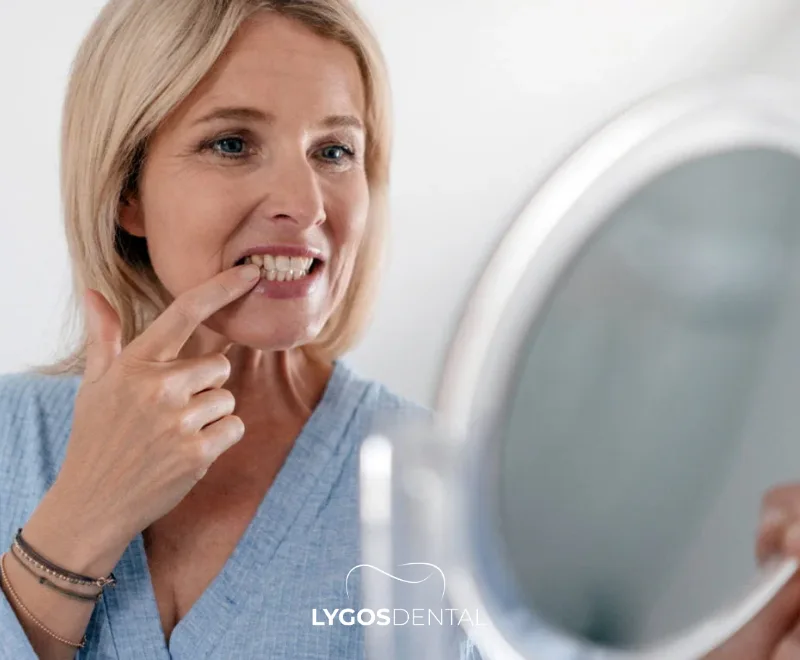
Menopause represents a period of significant biological and hormonal changes in a woman’s life. The decline in estrogen levels during this time affects not only the reproductive system but also many other parts of the body, including oral and dental health. Dental health problems after menopause can negatively impact a woman’s quality of life both aesthetically and functionally.
In this article, we will explore in detail how menopause affects dental health, the most common problems experienced, and ways to manage dental health problems after menopause.
One of the most prominent changes during menopause is the decrease in estrogen hormone levels. Estrogen plays a vital role in maintaining bone health and keeping oral tissues moisturized. The drop in hormone levels may lead to:
These changes directly impact oral health and lay the foundation for many dental health problems after menopause. Without regular dental check-ups, such problems can progress into more serious oral health conditions.
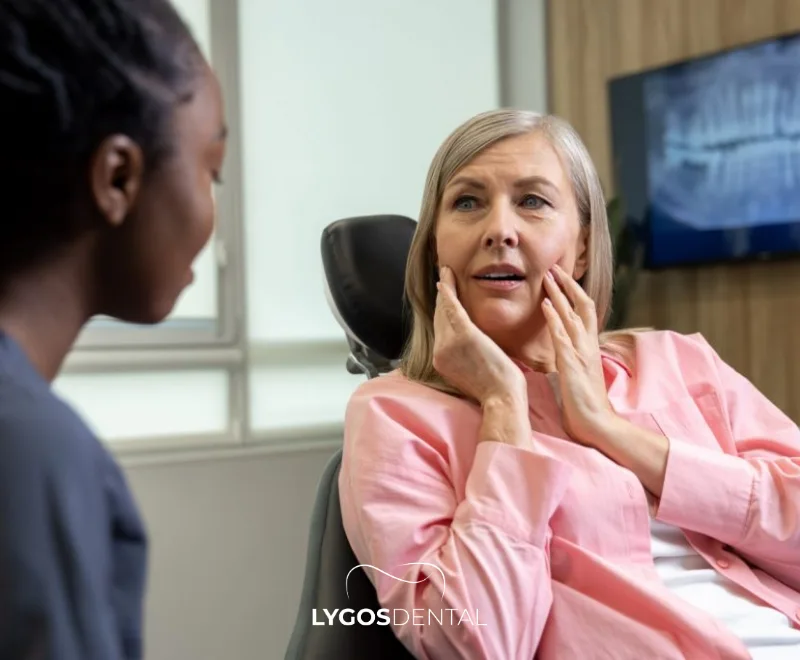
Women may experience a variety of dental problems during the postmenopausal period. The most frequently encountered Dental Health Problems After Menopause include:
Dry mouth is one of the most common dental health problems after menopause. Inadequate function of the salivary glands negatively affects daily life and overall oral health. Dry mouth may cause:
Saliva is crucial for balancing oral acids, controlling bacteria, and initiating digestion. The weakening of this protective mechanism after menopause disrupts oral flora and paves the way for infections — a major contributor to dental health problems after menopause.
What You Can Do:

The decline in estrogen after menopause leads to a reduction in bone density and the development of osteoporosis. This condition not only affects large bones like the spine and hips but also impacts the jawbone. Weakening of the jawbone can lead to:
Jawbone density is especially important for dentures or dental implants. If the bone is too weak due to osteoporosis, it may be unsuitable for such treatments, further compounding Dental Health Problems After Menopause.
Preventive Measures:
Gum health is significantly influenced by hormones. Reduced estrogen during menopause causes gum tissues to thin and become more sensitive. Symptoms may include:
Gums are not only important for aesthetics but also for anchoring the teeth. Protecting gum health plays a critical role in preventing tooth loss and addressing dental Health Problems After Menopause.
Preventive Actions for Gum Problems:
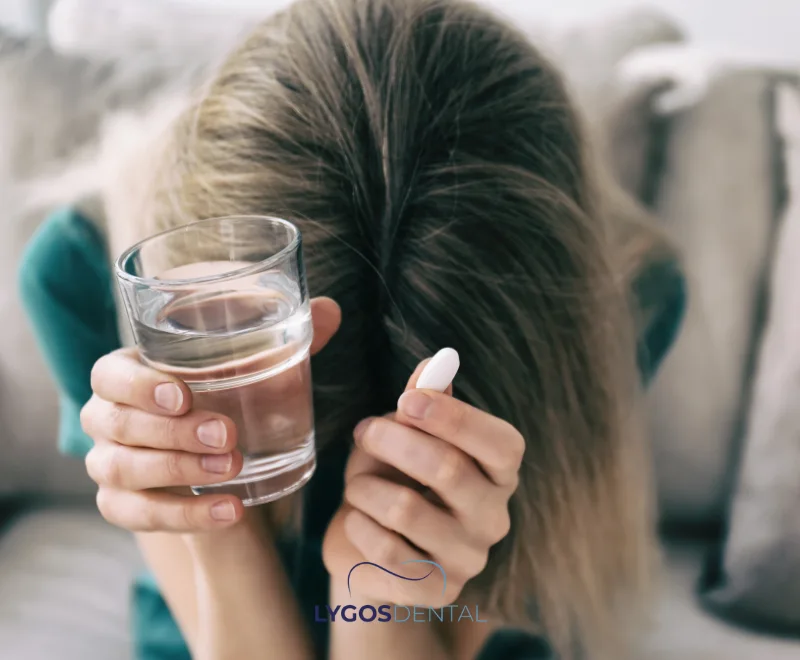
Some medications commonly used during menopause can directly affect oral and dental health. For example:
Medication-Related Recommendations:
Dental Health Problems After Menopause are both common and impactful on quality of life. Being informed about these changes can help in early detection and prevention of complications. Proactive care can significantly reduce the severity of Dental Health Problems After Menopause.
You can contact us here to learn more about Cosmetic Dentistry, Dental Crown, Dental Implant and General Dentistry to make an appointment and to get information about our services.
The drop in estrogen reduces saliva production, makes gum tissues more sensitive, and causes jawbone loss. These changes can lead to dry mouth, gum disease, and tooth loss — all key Dental Health Problems After Menopause.
Drink water regularly, chew sugar-free gum, limit caffeine and alcohol, and use moisturizing oral products like sprays or special rinses to manage this Dental Health Problem After Menopause.
Yes. Lower estrogen levels can reduce bone density in the jaw, weakening the foundation for teeth and increasing the risk of tooth loss, a serious Dental Health Problem After Menopause.
While common, gum bleeding should not be considered “normal.” It can signal gum disease. If it persists, consult a dentist to avoid developing further Dental Health Problems After Menopause.

Special Note:
Our treatments are provided by healthcare facilities that possess a health tourism authorization certificate
Special Note: Our treatments are provided by healthcare facilities that possess a health tourism authorization certificate
Selenium Retro, Ataköy 7-8-9-10. Kısım, D-100 Güney Yanyolu No:18/A, 34158 Bakırköy/İstanbul
© 2025, LYGOS DENTAL. All Rights Reserved.