
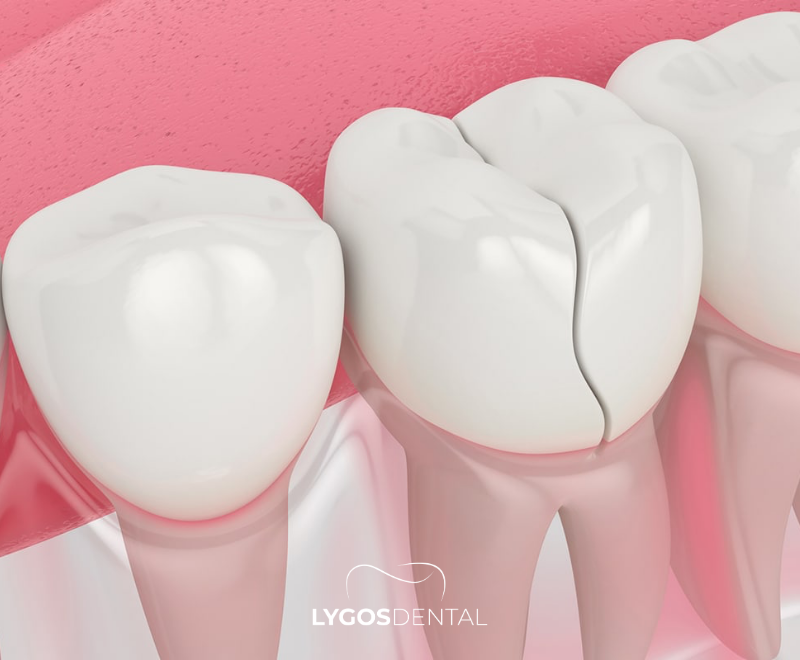
Today, many people complain about sudden tooth sensitivity, stinging while chewing, or occasional pain. One of the underlying causes of these complaints is a dental problem known as cracked tooth syndrome—often difficult to detect visually but quite bothersome. In this article, we cover all the details about cracked tooth syndrome, including why it occurs, its symptoms, and treatment methods.
Cracked tooth syndrome is a clinical condition caused by cracks that form in the enamel or dentin layer of a tooth. These cracks are often not visible—even on X-rays—so diagnosis requires a detailed examination. Patients typically complain about pain that increases while chewing but disappears afterward, without being able to pinpoint the exact tooth causing the discomfort.
The crack in the tooth may sometimes be very small; however, when it puts pressure on the nerve tissue, it can cause significant pain. Therefore, if cracked tooth syndrome is not detected early, it may lead to more serious problems. Today, dentists frequently observe this condition and report an increase in cases due to rising stress levels, teeth grinding habits, and poor dietary behaviors.
Cracked tooth syndrome can arise from many different factors—some related to lifestyle and others to structural issues. The most common causes include:
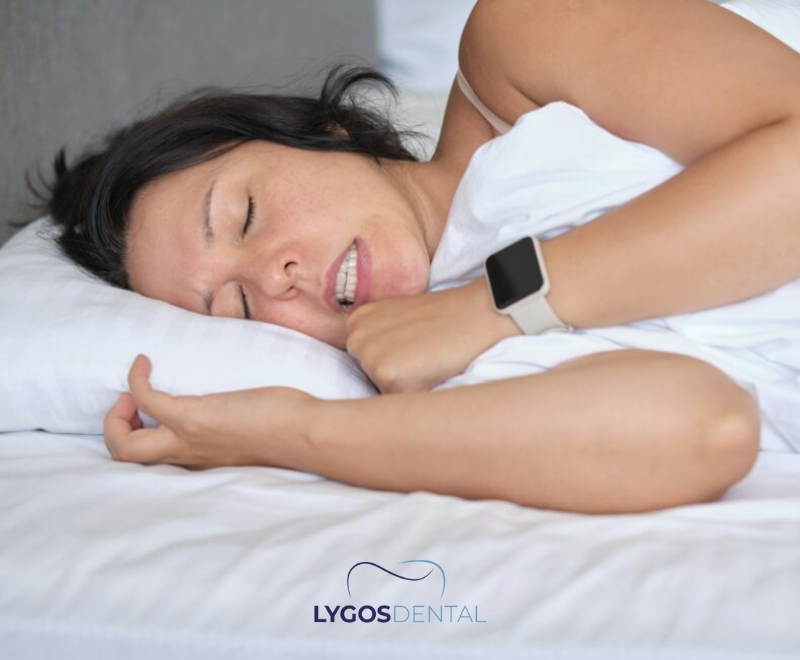
1. Teeth Grinding or Clenching (Bruxism)
If you clench your teeth at night without realizing it, microcracks can form in the enamel. Over time, these can expand and lead to cracked tooth syndrome.
2. Chewing Hard Foods Improperly
Trying to crack ice, nuts, or hard candy with your teeth can strain enamel and cause fractures.
3. Large Dental Fillings
Teeth with large fillings may weaken over time and become more prone to cracking.
4. Trauma and Impact
Blows to the face or microscopic fractures after an accident can later evolve into cracks.
5. Sudden Temperature Changes
Drinking an icy beverage right after a hot one creates thermal shock in the tooth, potentially leading to cracks.
6. Age Factor
Cracked tooth syndrome is more common in individuals over 40 due to thinning enamel.
Compared to other dental issues, cracked tooth syndrome can present more complex symptoms. Some appear intermittently, making diagnosis difficult. The most common symptoms include:
1. Sharp Pain While Chewing
Sudden, sharp pain when biting down is the most prominent symptom. The pain usually disappears once the pressure is released.
2. Heat Sensitivity
Hot or cold foods and beverages may trigger discomfort.
3. Non-localized Pain
Patients may feel pain spreading across a general area rather than in a specific tooth.
4. Sweet Sensitivity
Sugary foods may cause a sharp sensation at the cracked area.
5. Pressure Discomfort
As the crack progresses, pressure sensitivity increases.
6. Intermittent Pain Episodes
Pain comes and goes, which is typical for cracked tooth syndrome.
Treatment depends on the extent of the crack and how much the tooth has been damaged. A dentist determines the appropriate plan after a thorough examination.
1. Onlays or Crowns
If the crack is mild, an onlay or porcelain crown can be used to preserve tooth structure and prevent further progression.
2. Dental Fillings
Small surface cracks can be treated with fillings to strengthen weakened areas.
3. Root Canal Treatment
If the crack extends into the pulp, a root canal is needed to protect the tooth and relieve pain.
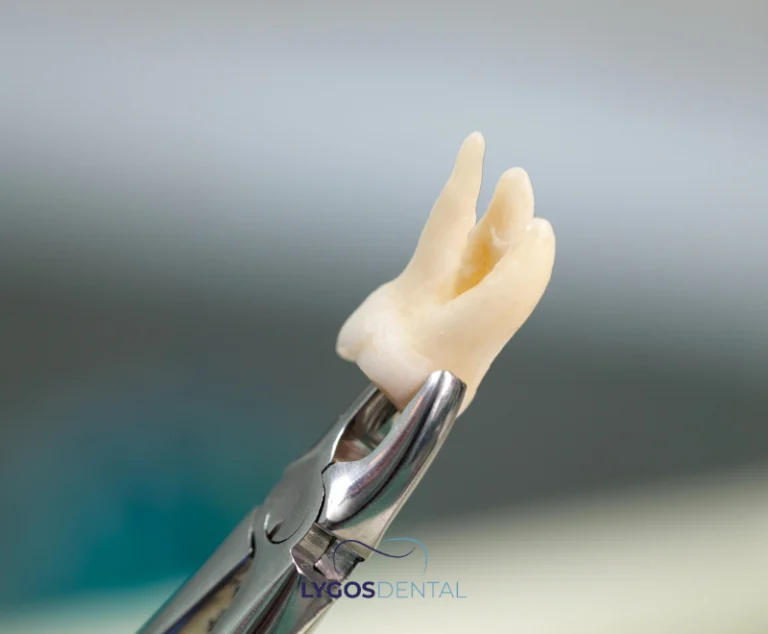
4. Tooth Extraction
If the crack reaches the root and the tooth cannot be restored, extraction may be necessary—though this is less common.
5. Night Guard
For cracks caused by bruxism, using a night guard helps prevent further damage and supports successful treatment.
Yes—certain habits can reduce your risk. Here’s what to pay attention to:
1. Use a Night Guard
If you clench or grind your teeth, use a dentist-recommended guard.
2. Avoid Biting Hard Objects
Breaking nut shells or opening bottle caps with teeth can cause serious damage.
3. Limit Extreme Temperature Changes
Protect your teeth from thermal shock.
4. Regular Dental Checkups
Early diagnosis plays a key role in prevention.
5. Balanced Diet
A diet rich in calcium and vitamin D helps strengthen tooth enamel.
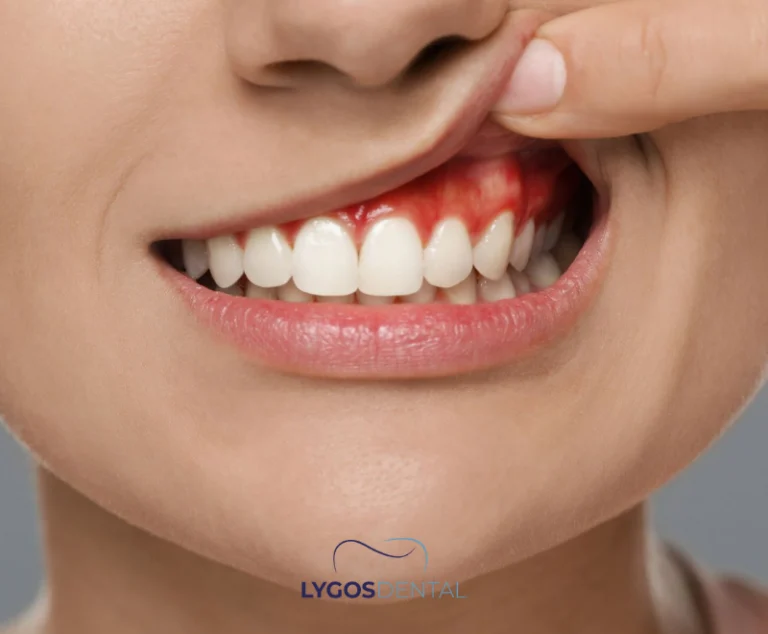
Untreated cracked tooth syndrome can lead to serious and irreversible issues. As the crack deepens, the tooth weakens, potentially causing:
1. Tooth Fracture
The tooth may break completely, often beyond repair.
2. Infection and Abscess
If bacteria reach the pulp, infection and abscesses may develop.
3. Need for Root Canal Treatment
A simple crack can progress to a stage requiring more invasive treatment.
4. Tooth Loss
Severe cracks may result in loss of the tooth.
5. Damage to Neighboring Teeth
Favoring one side for chewing can lead to jaw joint problems and wear on other teeth.
Cracked tooth syndrome is treatable when diagnosed early, but neglect can lead to tooth loss. Regular dental checkups, proper nutrition, and protective measures against grinding are essential for maintaining good oral health. If you experience sharp pain while chewing, temperature sensitivity, or intermittent tooth pain, do not ignore it—it may be a sign of cracked tooth syndrome.
With timely care, this condition can be successfully treated, allowing you to preserve your dental health for many years.
You can contact us here to learn more about Cosmetic Dentistry, Dental Crown, Dental Implant and General Dentistry to make an appointment and to get information about our services.
No. A cracked tooth is structurally damaged and cannot repair itself. Without treatment, the crack may worsen and the tooth may break.
Not always. Very fine cracks may not appear on standard X-rays. Diagnosis often requires clinical examination, special lighting, or microscopic evaluation.
It is most often seen in the back chewing teeth, as they are exposed to greater pressure.
Sudden sharp pain when chewing, temperature sensitivity, and intermittent pain episodes are typical signs of cracked tooth syndrome.

Special Note:
Our treatments are provided by healthcare facilities that possess a health tourism authorization certificate
Special Note: Our treatments are provided by healthcare facilities that possess a health tourism authorization certificate
Selenium Retro, Ataköy 7-8-9-10. Kısım, D-100 Güney Yanyolu No:18/A, 34158 Bakırköy/İstanbul
© 2025, LYGOS DENTAL. All Rights Reserved.