

When we think about oral health, we usually picture teeth, gums, and how well the bite comes together. But behind all of these is a structure that rarely gets attention: the alveolar arch. This curved bony framework supports the teeth, shapes the mouth, and allows us to chew, speak, and smile comfortably. Even though many patients never hear the term, the health of the alveolar arch quietly influences almost every oral function.
In this article, we’ll explore what the alveolar arch actually is, why it matters more than most people realize, and how dentists diagnose and manage problems involving this essential part of the jaw.
The alveolar arch is the bony ridge in both the upper and lower jaws where the teeth are anchored. Each tooth root sits inside a small socket along this ridge, and the strength of this bone is what keeps the teeth stable during everyday activities such as chewing and speaking.
Both arches the maxillary (upper jaw) and mandibular (lower jaw) naturally curve to help distribute biting pressure evenly. This balanced shape ensures that when you close your mouth, your teeth meet in a way that protects them from excessive wear or strain.
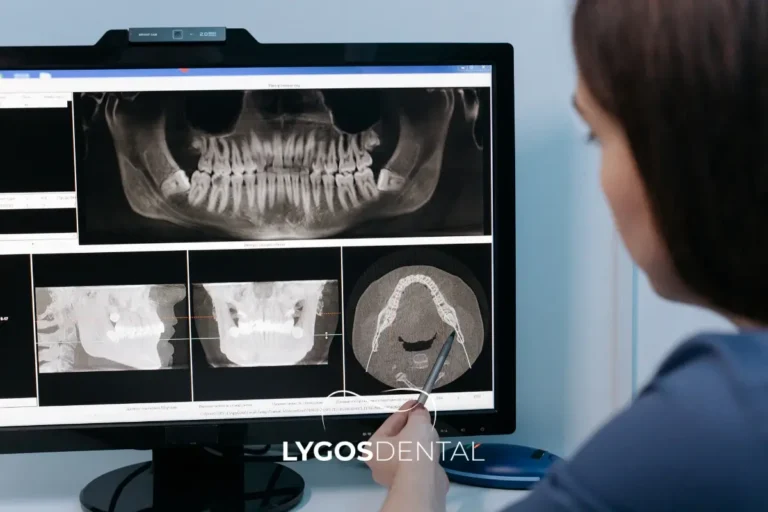
A healthy alveolar bone holds the tooth roots firmly in place. If the bone weakens or shrinks, the teeth can loosen, shift, or even become at risk of falling out.
The arch contributes to the appearance of the mouth and lower face. When bone is lost often because of gum disease or missing teeth the facial structure can change, sometimes leading to a sunken or aged look.
The harmony between the upper and lower teeth relies on the size and form of the alveolar arch. A narrow or overly wide arch can result in crowding, spacing, and various bite problems.
The arch helps direct how the tongue moves and how efficiently the teeth break down food. When the arch is irregular, it can make pronunciation or chewing less effective.

The development of the alveolar arch starts in early childhood as baby teeth erupt. Its shape continues to change throughout adolescence. Genetics play a role, but habits such as thumb-sucking, mouth breathing, and premature tooth loss can also affect how the arch forms.
Once adult teeth come in, the alveolar bone stays active it thickens when stimulated by chewing pressure and shrinks when a tooth is lost. This is why people often notice rapid bone resorption after an extraction.
Advanced periodontal disease gradually destroys the supporting bone and weakens the entire structure of the arch. As bone disappears, teeth can loosen and the bite may shift.
Any injury or extraction can trigger bone shrinkage in that area. Without treatment, the arch can collapse or lose its natural contour.
Some people naturally have a narrow arch, which can crowd the teeth or affect breathing.
Misaligned bites, crossbites, and open bites are often tied to how the alveolar arch has developed over time.
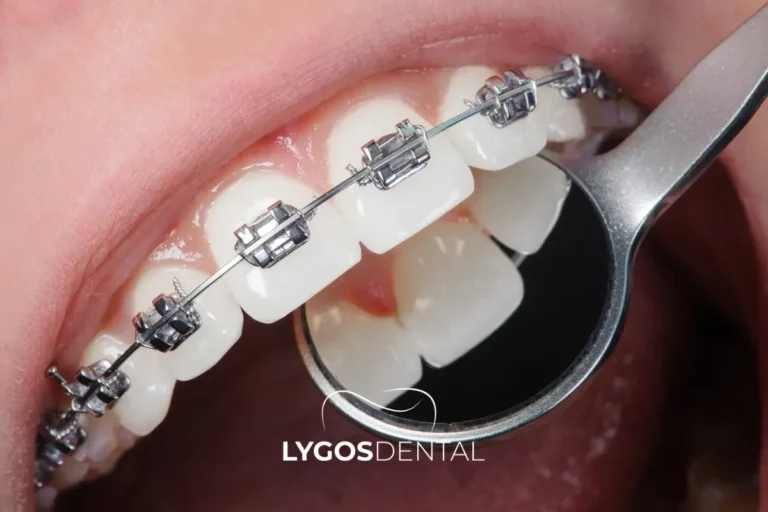
If the arch is too narrow, orthodontists may use expanders or braces to create more space and correct alignment.
For patients with significant bone loss, an alveolar bone graft can rebuild the ridge and provide enough support for implants or other restorative treatments.
Managing gum inflammation early helps preserve bone and prevents future loss.
Implants stimulate the bone and help maintain the natural contour of the alveolar arch.
At Lygos Dental, dentists closely monitor the bone around your teeth through exams and X-rays. Early detection allows treatment before the bone weakens. Patients are also advised on hygiene, diet, and habits that support long-term bone health.
Regular check-ups are especially important for individuals with a history of gum problems, missing teeth, or orthodontic issues. With proactive care, the alveolar arch can remain strong and functional for many years.
You can contact us here to learn more about Cosmetic Dentistry, Dental Crown, Dental Implant and General Dentistry to make an appointment and to get information about our services.
It’s the highest point of the alveolar bone that surrounds the teeth. It forms the top edge of the tooth socket and supports the gum tissue.
“Alveolar” refers to anything associated with the part of the jaw that holds the tooth sockets.
The alveolar process is the portion of the upper or lower jaw that contains the tooth sockets and supports the teeth.
It’s a procedure used to rebuild missing or damaged bone in the jaw. Dentists often perform it before placing implants or to repair bone defects.
“Alveolaris” is a Latin term describing structures such as nerves or arteries related to the alveolar bone.

Special Note:
Our treatments are provided by healthcare facilities that possess a health tourism authorization certificate
Special Note: Our treatments are provided by healthcare facilities that possess a health tourism authorization certificate
Selenium Retro, Ataköy 7-8-9-10. Kısım, D-100 Güney Yanyolu No:18/A, 34158 Bakırköy/İstanbul
© 2025, LYGOS DENTAL. All Rights Reserved.