
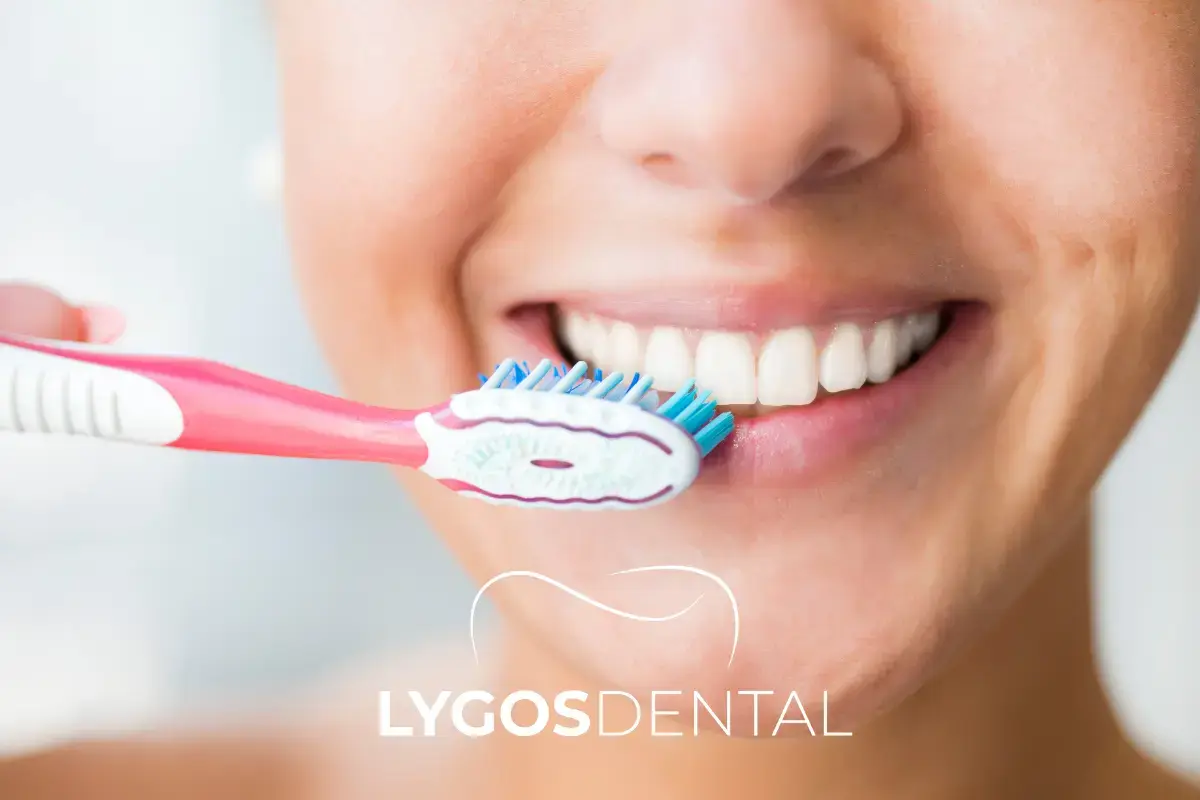
The 2-2-2 rule is a simple but effective guideline that helps people build better oral-care habits. It means brushing your teeth twice a day, for two minutes each time, and visiting the dentist twice a year. Even though it sounds basic, this rule plays a major role in preventing cavities, gum disease, and long-term dental problems.
In daily routines, people often rush brushing, do it incorrectly, or skip it altogether on busy days.
Following the 2-2-2 rule keeps your mouth protected and reduces the need for more complex dental treatments later on.
The most essential times for brushing are in the morning and before bedtime. Nighttime brushing is especially crucial because saliva production decreases while you sleep, making your mouth more vulnerable to bacteria.
Many people unknowingly brush for only 20–30 seconds. Two full minutes ensure each tooth surface gets adequate cleaning. Using a timer or electric toothbrush with a built-in timer can help.
Routine dental check-ups allow early detection of decay, gum inflammation, or bite problems. Professional cleanings remove tartar that regular brushing cannot.
While everyone has their own rhythm, dentists follow a basic brushing algorithm that ensures thorough cleaning:
Use gentle, circular motions rather than aggressive scrubbing, as harsh brushing can damage enamel and irritate the gums.

For effective oral care, maintaining a consistent brushing routine is essential. Here are the principles dentists repeat most often:
Small details like these help maintain healthy teeth and gums and prevent sensitivity.
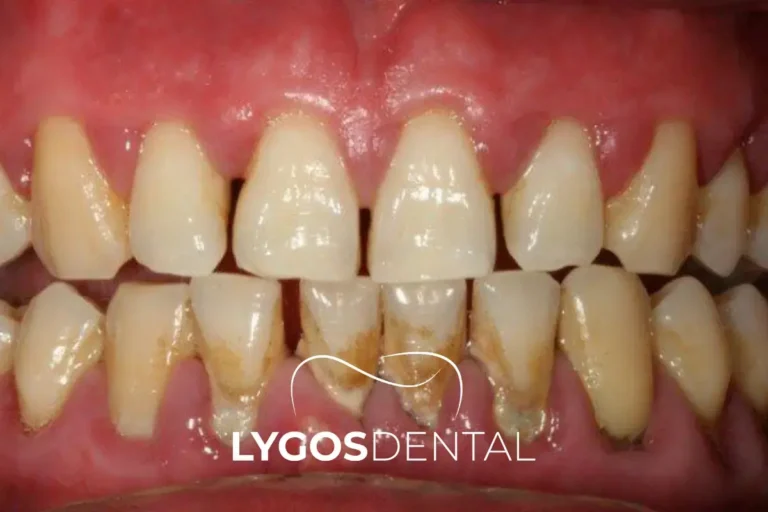
Skipping one night of brushing won’t destroy your teeth, but it does give bacteria a chance to multiply rapidly. Overnight, plaque thickens, sugar remains on the teeth, and gum tissue becomes irritated. If skipping becomes a habit, the risks increase:
A single night isn’t the end of the world, but it should not become routine.
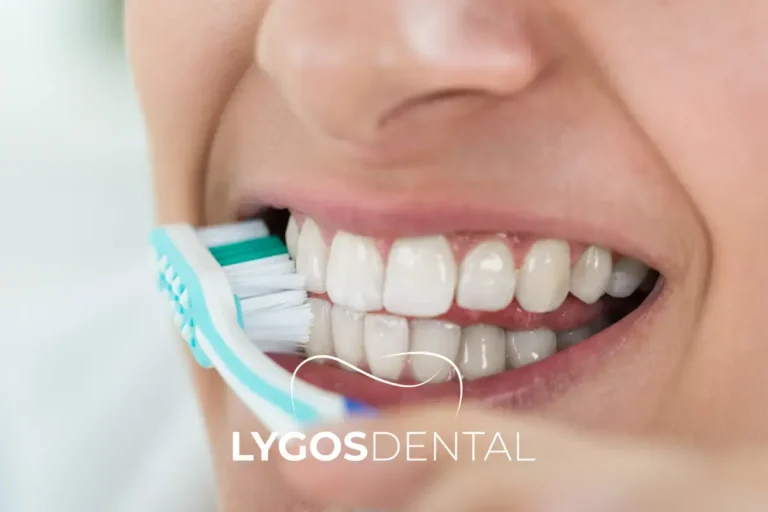
The 2-2-2 rule recommends brushing two times a day, but some people prefer three. As long as you brush gently and avoid irritating the gums, brushing after lunch is also fine. What matters most is:
Even if your routine becomes busy, brushing at least twice daily is essential.
While there is no single “perfect” order, dentists generally suggest:
Some people begin with areas they usually neglect to ensure they get proper attention.
The 2-2-2 rule is easy to remember and even easier to apply. It keeps plaque under control, supports gum health, and reduces the need for fillings or root canal treatments. Children, adults, and even elderly individuals benefit from this routine. When combined with flossing and regular dental visits, it creates a strong foundation for lifelong oral hygiene.
At Lygos Dental, dentists often teach the 2-2-2 rule to patients who struggle with forming structured habits.
You can contact us here to learn more about Cosmetic Dentistry, Dental Crown, Dental Implant and General Dentistry to make an appointment and to get information about our services.
The correct algorithm involves brushing outer, inner, and chewing surfaces using gentle circular motions at a 45-degree angle.
Use a soft brush, brush for two minutes, apply gentle pressure, use fluoride toothpaste, and maintain consistency.
Plaque thickens, bacteria multiply, and the risk of bad breath and gum irritation increases.
You should brush at least twice a day—morning and night—for optimal oral health.
Start with outer surfaces, then inner surfaces, finish with chewing surfaces, and clean the tongue last.

Special Note:
Our treatments are provided by healthcare facilities that possess a health tourism authorization certificate
Special Note: Our treatments are provided by healthcare facilities that possess a health tourism authorization certificate
Selenium Retro, Ataköy 7-8-9-10. Kısım, D-100 Güney Yanyolu No:18/A, 34158 Bakırköy/İstanbul
© 2025, LYGOS DENTAL. All Rights Reserved.