
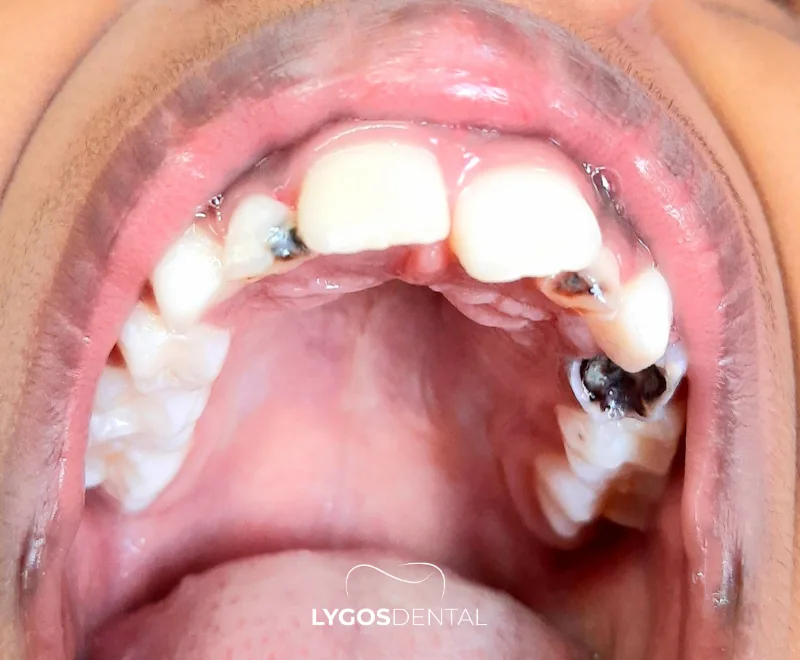
Oral and dental health is an integral part of our overall well-being. One of the most common issues within this scope is tooth decay. Dental caries can negatively affect quality of life both aesthetically and functionally. If not identified and treated early, they can lead to more serious health problems. In this article, we will thoroughly examine “Symptoms of tooth decay,” the causes of decay, how it is diagnosed, and treatment alternatives.
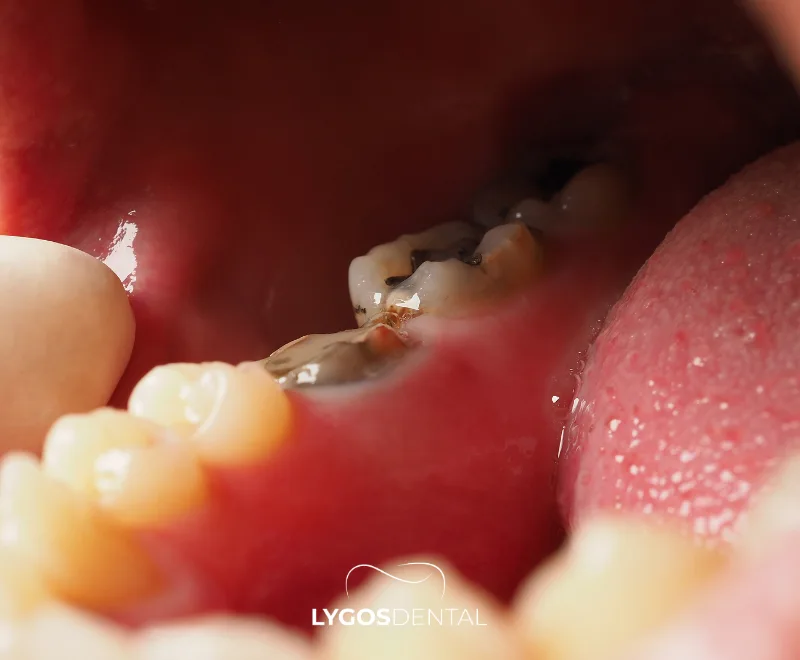
A decayed tooth is a condition where the enamel layer covering the outer part of the tooth deteriorates over time due to acidic substances. Bacteria in the mouth produce acid when they break down sugary and starchy foods. These acids damage the enamel, leading to the formation of cavities.
Cavities often begin as small spots but can progress into deeper layers such as the dentin and pulp. This may result in severe pain, infections, and even tooth loss.
There are several causes of tooth decay. The most common ones include:

The symptoms of a decayed tooth vary depending on how far the decay has progressed. In the early stages, many people may not notice any discomfort. However, over time, the following symptoms are common:
Keep in mind that not all cavities show visible symptoms. Some can only be detected during routine dental check-ups.
Tooth decay is usually diagnosed through a physical examination by a dentist. In some cases, imaging techniques like X-rays are used to assess the depth of the cavity and its proximity to the nerves.
Dentists may also use special lighting tools and dental instruments to detect early signs such as micro-cracks or tiny areas of demineralization.
Tooth decay pain is typically throbbing in nature. It tends to intensify at night when lying down, as increased blood flow to the head may amplify the sensation.
Early-stage pain is often brief and triggered by contact with cold or sweet foods. In advanced stages, the pain becomes persistent and severe—indicating that the decay has reached the nerve tissue.
Among all the symptoms of tooth decay, this type of pain is the most critical and may suggest the onset of infection or abscess if left untreated.
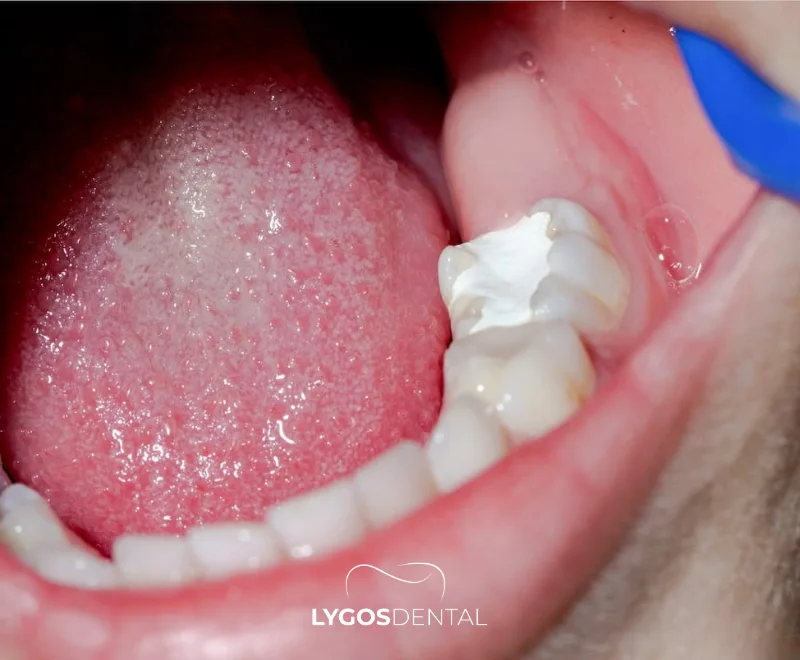
As soon as symptoms of tooth decay are noticed, it is vital to consult a dentist. Early treatment can preserve the tooth structure. Treatment varies depending on the severity of the decay:
Early recognition of decay symptoms makes treatment easier and more effective. Neglecting them, however, can lead to painful and costly procedures.
To prevent symptoms of tooth decay from developing in the first place:
Remember, neglected cavities not only harm your teeth but can also negatively affect your overall health. Take your oral health seriously and stay informed about the symptoms of tooth decay—don’t ignore professional advice.
You can contact us here to learn more about Cosmetic Dentistry, Dental Crown, Dental Implant and General Dentistry to make an appointment and to get information about our services.
No, tooth decay does not heal by itself. It is a progressive condition that worsens over time. Early-stage cavities can be stopped or reversed with fluoride or fillings.
It varies depending on the stage. Early symptoms such as sensitivity may be temporary, but if left untreated, they can turn into persistent pain lasting weeks or even months.
Temporary relief can be achieved with painkillers or saltwater rinses. However, permanent relief requires professional dental treatment such as fillings or root canals.
Common symptoms include toothache, sensitivity to hot or cold, bad breath, difficulty chewing, discoloration, and visible pits on the tooth surface.

Special Note:
Our treatments are provided by healthcare facilities that possess a health tourism authorization certificate
Special Note: Our treatments are provided by healthcare facilities that possess a health tourism authorization certificate
Selenium Retro, Ataköy 7-8-9-10. Kısım, D-100 Güney Yanyolu No:18/A, 34158 Bakırköy/İstanbul
© 2025, LYGOS DENTAL. All Rights Reserved.