
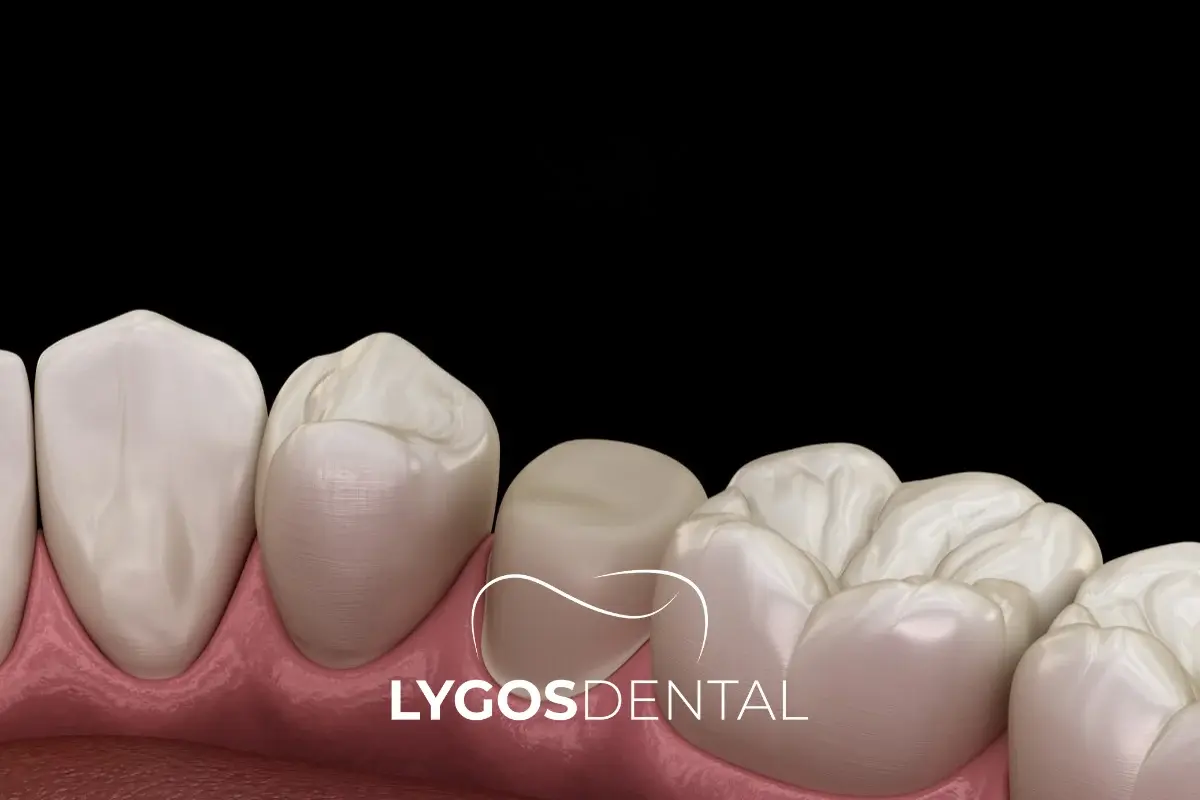
Tooth preparation is one of those steps that most patients don’t think much about until the numbness wears off and the area starts to feel a little different. Whether you’re getting a crown, veneer, or another type of restoration, it’s completely normal to experience mild sensitivity or discomfort for a few days. The important part is knowing how to take care of your tooth while it heals. With the right habits, recovery tends to be smooth and trouble-free.
When a dentist prepares a tooth, they reshape it so the final restoration fits securely and naturally. That process removes a small amount of enamel, and your gum tissue may be touched during the procedure as well. Even though the work is careful and controlled, the tooth may react for a short time especially to temperature changes or pressure. Fortunately, this sensitivity usually fades quickly as the tooth adapts.
If you were given a temporary crown, try not to chew directly on that side for the first day. Temporaries are protective but not as strong as the final crown, so being a little cautious helps keep everything in place.
Crunchy or sticky foods can put unnecessary stress on a freshly prepared tooth. Soft meals like soups, pasta, yogurt, or cooked vegetables are much kinder while the area settles down.
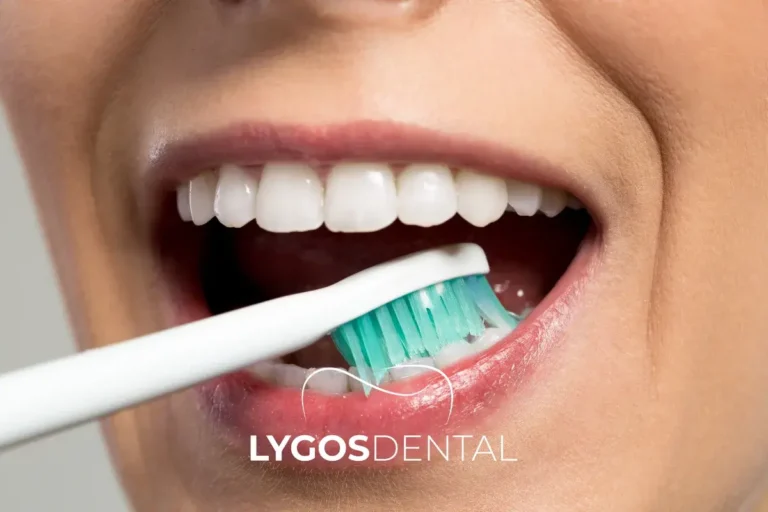
Good oral hygiene is key, but brushing too hard around the temporary restoration can cause irritation. A soft toothbrush works best. When flossing, slide the floss out gently instead of snapping upward, which could loosen the temporary crown.
It’s common to feel a quick “zing” with hot or cold drinks. Using a desensitizing toothpaste or taking a mild pain reliever if needed often makes these sensations more manageable.
Extreme temperatures can trigger sensitivity more than anything else. Lukewarm drinks are usually the most comfortable option for the first couple of days.
If the gum was shaped or a bit inflamed, your dentist may recommend a soothing rinse or anti-inflammatory medication. These small steps speed up healing more than most people realize.
Most people start feeling normal again within just a few days.
Here’s a general idea:
Once the permanent crown or veneer is placed, the tooth typically becomes far less sensitive because it’s completely protected.
Yes just wait until the numbness fully goes away. Eating while numb raises the risk of biting your cheek or tongue without realizing it. Once sensation returns, stick to soft foods before gradually returning to your normal diet.

If your gum tissue was reshaped, it may feel slightly tender. Luckily, gums tend to heal quickly with gentle care.
Helpful habits include:
Applying a cold compress if there’s mild swelling
A little discomfort is normal, but you should contact the clinic if:
Small issues are much easier to fix early, so don’t hesitate to reach out.
You can contact us here to learn more about Cosmetic Dentistry, Dental Crown, Dental Implant and General Dentistry to make an appointment and to get information about our services.
Most healing happens within 2–5 days, and gum tissue usually feels normal again within a week.
Warm saltwater rinses, gentle brushing, soft foods, and cold compresses can help soothe and speed up healing.
Yes just avoid eating until the numbness wears off. Start with softer foods to avoid irritation.
Stitches usually dissolve or heal in 7–10 days, depending on the material.
Protect the temporary crown, avoid hard foods, keep the area clean, and use desensitizing toothpaste if sensitivity appears.

Special Note:
Our treatments are provided by healthcare facilities that possess a health tourism authorization certificate
Special Note: Our treatments are provided by healthcare facilities that possess a health tourism authorization certificate
Selenium Retro, Ataköy 7-8-9-10. Kısım, D-100 Güney Yanyolu No:18/A, 34158 Bakırköy/İstanbul
© 2025, LYGOS DENTAL. All Rights Reserved.