
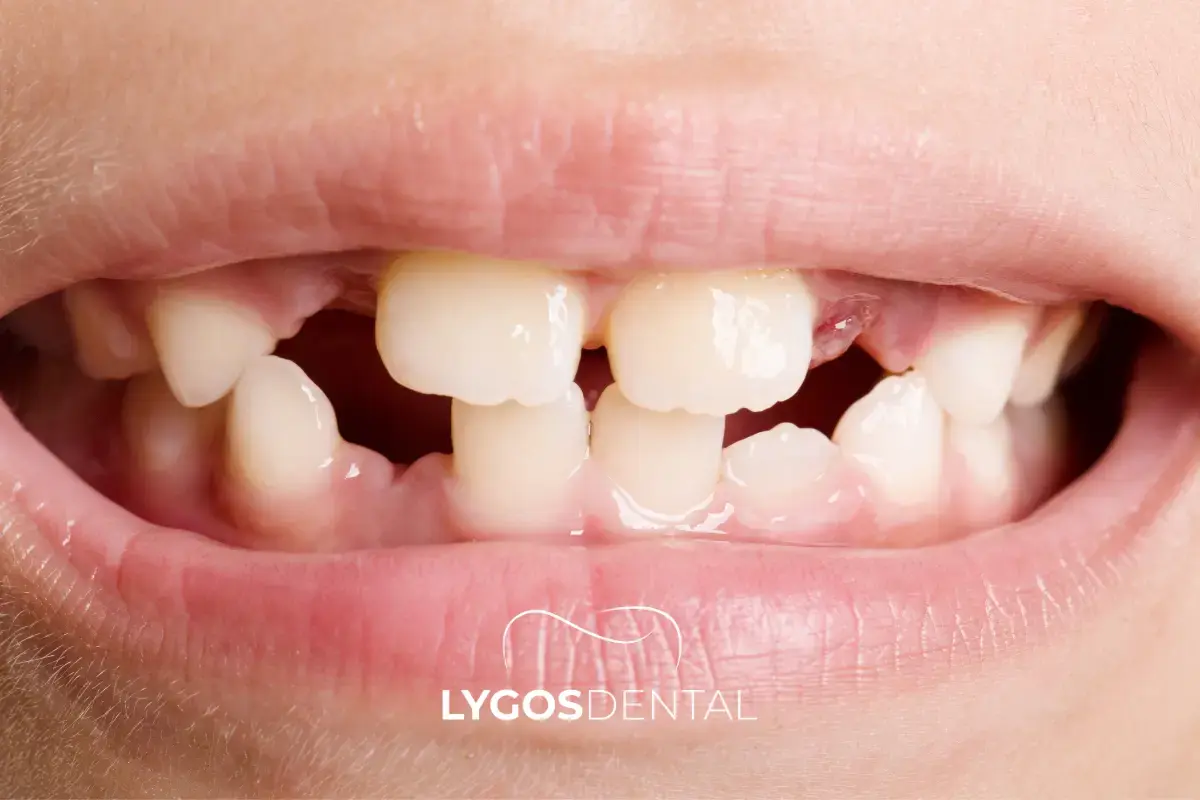
Children’s dental health is shaped long before permanent teeth appear. Dentists often use certain guidelines to monitor healthy tooth development, and one of the most helpful among them is the 7–4 rule. This rule is a practical way for parents and dentists to track when primary and permanent teeth should erupt.
According to the rule, a child typically has around 7 primary teeth by age 4, helping professionals quickly identify delays or abnormalities in tooth growth.
Understanding this rule allows parents to recognize early concerns and helps dentists plan preventive care. Since childhood habits strongly influence lifelong oral health, early monitoring is a key part of pediatric dentistry.
The 7–4 rule is a simple eruption guideline used by pediatric dentists. It states:
Although children grow at different rates, the rule helps identify when a child may need closer evaluation. Early detection is critical because untreated dental issues can affect speech development, nutrition, confidence, and even jaw growth.
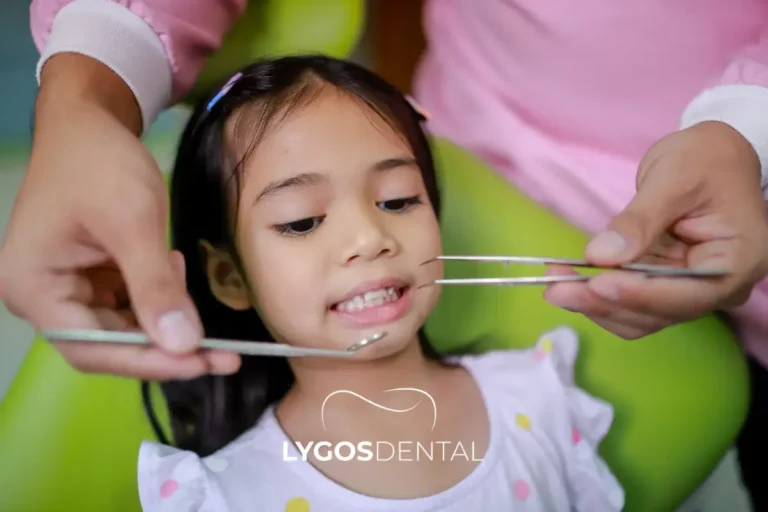
Children’s teeth are often misunderstood as “temporary,” but they play a major role in preparing the mouth for adult teeth. Healthy baby teeth help children chew, speak clearly, and develop proper facial structure. When they are neglected, decay can spread quickly.
Key reasons dental health is essential in childhood include:
Untreated dental problems can also impact school performance due to discomfort or difficulty eating.
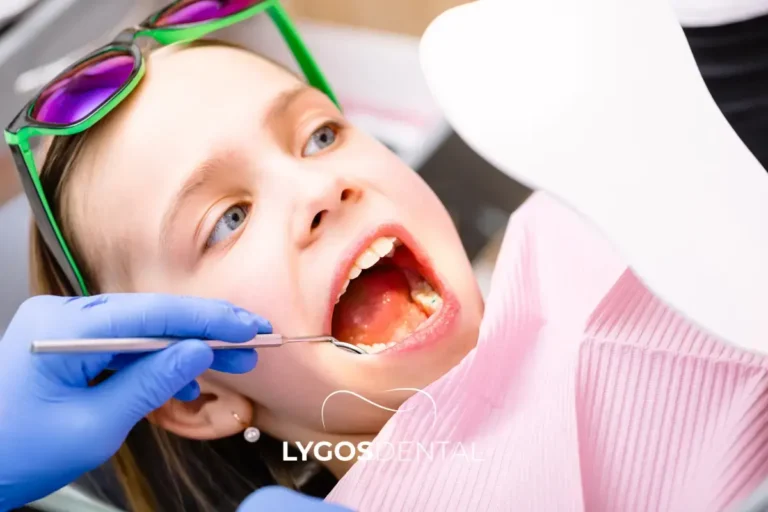
Pediatric dentists recommend the first dental visit by age one, or when the first tooth erupts. Following the 7–4 rule afterward helps ensure that tooth eruption follows a healthy pattern. If too many teeth are missing, erupting too late, or coming in the wrong order, a dentist may investigate underlying causes such as genetics, nutritional issues, or habits like thumb sucking.
Early visits also help children feel more comfortable in the dental environment, reducing fear as they grow.
The Ante Rule, often discussed in prosthodontics, relates to how much support is needed when planning dental restorations especially bridges. In simple terms, it states that the roots of the supporting (abutment) teeth must have enough strength and surface area to handle the load of the teeth they are replacing.
Although this rule is mostly used for adults, understanding it helps parents appreciate how each tooth primary or permanent plays a role in long-term oral function.

Use a small, age-appropriate toothbrush and a rice-grain amount of fluoride toothpaste for young children.
Limit sugary snacks and drinks, especially between meals.
Water helps wash away food particles and supports hydration without sugar.
Routine checkups allow dentists to track growth according to guidelines like the 7–4 rule.
Thumb sucking and prolonged bottle use can affect jaw development.
Sealants protect the grooves of molars from cavities.
These small steps significantly reduce the risk of decay and help strengthen developing teeth.
Strong oral health is not just a concern for children. Family dentistry promotes shared habits that benefit everyone parents, siblings, and children alike. When families commit to regular checkups, better brushing routines, and healthy diets, children learn by example. Good oral care practices tend to last into adulthood when these habits start early.
You can contact us here to learn more about Cosmetic Dentistry, Dental Crown, Dental Implant and General Dentistry to make an appointment and to get information about our services.
Because healthy baby teeth help with chewing, speech, jaw growth, and proper spacing for permanent teeth.
The Ante Rule states that abutment teeth must provide enough support for the teeth being replaced, usually applied in prosthodontics.
By brushing daily, limiting sugar, attending regular checkups, and preventing habits like prolonged bottle use.
It refers to public-health discussions about expanding dental staffing to provide families easier access to dental care services.
Good oral health prevents pain, infections, gum disease, and protects overall systemic health.

Special Note:
Our treatments are provided by healthcare facilities that possess a health tourism authorization certificate
Special Note: Our treatments are provided by healthcare facilities that possess a health tourism authorization certificate
Selenium Retro, Ataköy 7-8-9-10. Kısım, D-100 Güney Yanyolu No:18/A, 34158 Bakırköy/İstanbul
© 2025, LYGOS DENTAL. All Rights Reserved.