
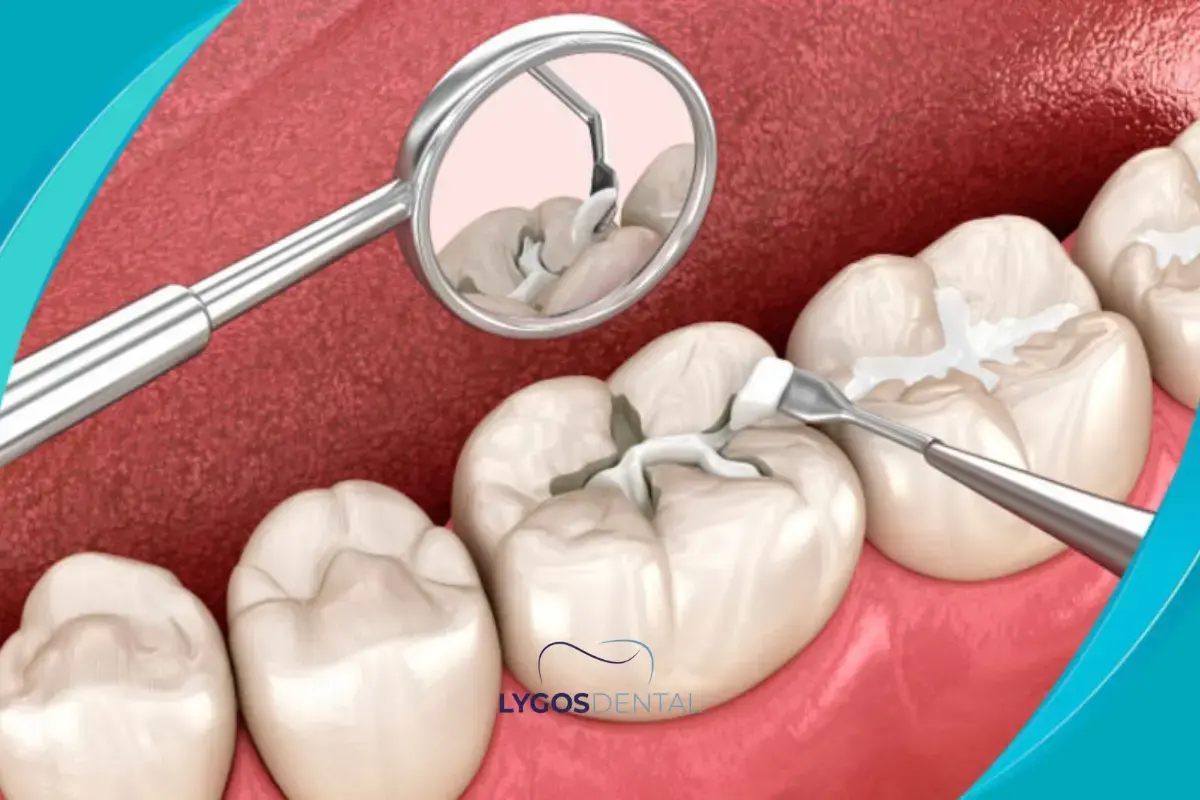
A temporary filling is something dentists use when a tooth needs protection, but the treatment is not finished yet. It is not meant to be a permanent solution. Instead, it works like a cover that keeps the tooth safe until the next dental visit.
Most people hear the word “temporary” and think something went wrong. That’s not the case. Dentists plan this step on purpose. Sometimes a tooth needs time. Sometimes the dentist needs to see how it reacts before doing anything permanent.
Temporary fillings are very common, especially in treatments that take more than one appointment.
A temporary filling is often placed after a procedure like a root canal, when the inside of the tooth has been treated but the final filling or crown cannot be placed immediately. It can also be used when there is swelling, infection, or sensitivity that needs to calm down first.
Dentists may choose a temporary filling when:
In these situations, placing a permanent filling too early can cause problems later.
Temporary fillings are not designed to last long. Most of them stay in place for a few days or a few weeks. Some may last longer, but that doesn’t mean they should.
The material used for temporary fillings is softer than permanent fillings. Over time, it can wear down, crack, or fall out. Chewing hard foods or sticky snacks can make this happen faster.
If a temporary filling comes out, the tooth should not be left open for days. It’s better to contact the dentist as soon as possible.
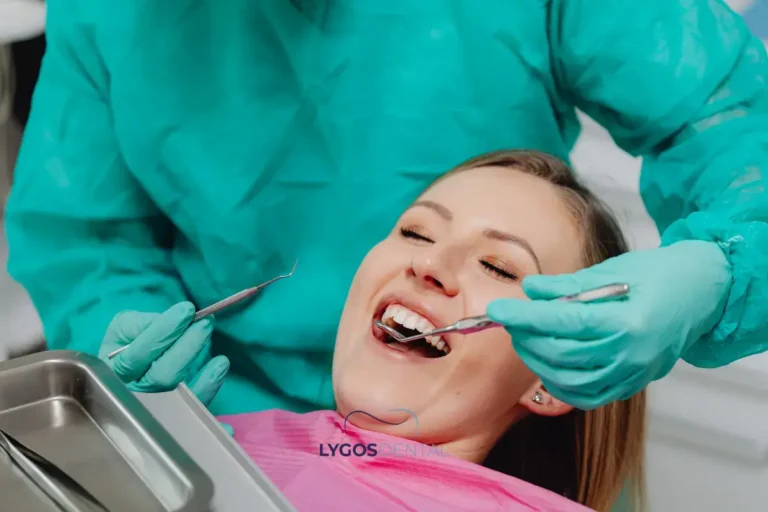
Dentists use temporary fillings to protect the tooth and to avoid rushing the treatment. Every tooth reacts differently. Sometimes a dentist needs to wait and see if pain improves or if sensitivity disappears.
A temporary filling helps by:
This approach lowers the risk of future complications.
The difference is not just the name.
A temporary filling is:
A permanent filling is:
Temporary fillings are part of the process, not the end result.
Getting a temporary filling is usually not painful. In many cases, the tooth is already numb from previous treatment. Patients may feel some pressure, but that’s all.
After the filling is placed, slight sensitivity can happen. This is normal. It often goes away on its own. Sharp or increasing pain is not normal and should be checked.
You can eat, but you need to be careful. Temporary fillings are not very strong. Hard foods, sticky candy, or chewing gum can pull them out.
Dentists usually suggest:
Waiting a few hours before eating after the filling is also a good idea.
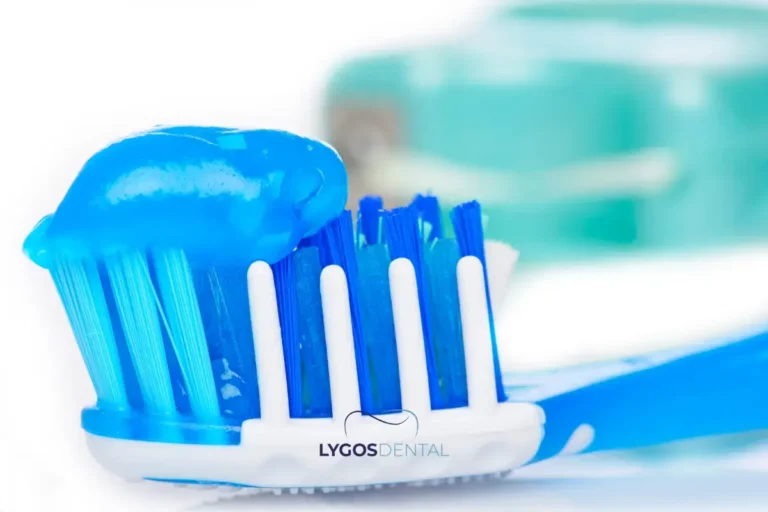
Daily care doesn’t change much, but small habits matter. Brush gently around the area. When flossing, pull the floss out from the side instead of snapping it upward.
The most important thing is not forgetting the next appointment. Temporary fillings are not meant to stay forever.
You can contact us here to learn more about Cosmetic Dentistry, Dental Crown, Dental Implant and General Dentistry to make an appointment and to get information about our services.
Usually a few days to a few weeks. They are not designed for long-term use.
To protect the tooth and allow time before placing a permanent filling or crown.
Temporary fillings are soft and short-term. Permanent fillings are strong and long-lasting.
No, the procedure is usually painless. Mild sensitivity afterward is normal.
Yes, but you should avoid hard and sticky foods and chew carefully.

Special Note:
Our treatments are provided by healthcare facilities that possess a health tourism authorization certificate
Special Note: Our treatments are provided by healthcare facilities that possess a health tourism authorization certificate
Selenium Retro, Ataköy 7-8-9-10. Kısım, D-100 Güney Yanyolu No:18/A, 34158 Bakırköy/İstanbul
© 2025, LYGOS DENTAL. All Rights Reserved.