

To ease a toothache under a filling at home, try a warm saltwater rinse, a cold compress on the cheek, and over-the-counter pain relief if it’s safe for you. Avoid very hot/cold foods and chewing on that side. If pain lasts more than 2 days, worsens, or you develop swelling or fever, see a dentist.
A tooth that starts hurting under a filling can feel confusing especially if the dental work seemed fine at first. The good news is that many cases are temporary (like post-treatment sensitivity). The not-so-good news is that some causes need a quick dental fix.
Here’s what actually helps at home, what “natural” options are reasonable, and when it’s time to stop waiting.
Pain under a filling usually falls into a few common buckets:
If the filling sits slightly too high, your tooth takes extra pressure when you bite down. This often causes pain when chewing, and it can usually be solved with a simple bite adjustment.
Teeth can be sensitive to cold, sweet, or pressure for a short period after treatment. This often settles as the tooth calms down.
A deep cavity or drilling close to the nerve can irritate the pulp, causing lingering sensitivity or throbbing pain. Sometimes it resolves; sometimes it progresses and needs further treatment.
If the filling isn’t sealing well anymore or if there’s a crack bacteria can sneak in and trigger pain. This is one reason “pain that keeps coming back” deserves a check.

These are the most reliable, low-risk steps while you’re waiting to be seen.
Rinse gently with warm saltwater, especially after eating. It can help keep the area clean and soothe irritated gums.
If the area feels sore or slightly swollen, a cold compress on the outside of the face can reduce discomfort. Avoid applying heat to facial swelling.
Nonprescription pain relievers like ibuprofen or acetaminophen are commonly recommended for dental pain until you can see a dentist. Follow the label and avoid them if you’ve been told not to take them.
Brush softly and floss carefully. If food is stuck near the filling edge, removing it can reduce pressure and irritation.
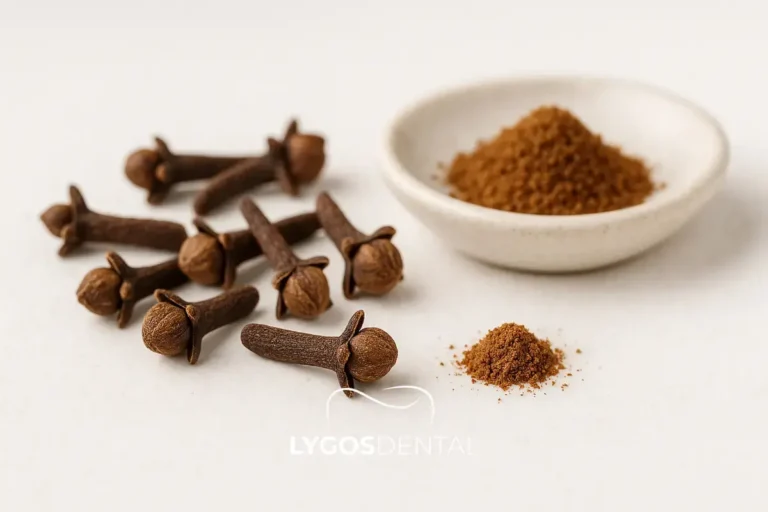
Clove oil (eugenol) is often used for temporary relief. If you try it, dilute it and apply sparingly straight clove oil can irritate tissues. It’s a short-term comfort measure, not a fix.
A cooled peppermint tea bag held against the sore area can feel soothing for some people, but it won’t treat the underlying cause.
Home care is only a bridge. Get dental advice quickly if any of these are true:
If toothache persists beyond a couple of days, it should be evaluated.
Swelling with systemic symptoms can signal infection. If swelling affects breathing, seek urgent medical help.
These can point toward an abscess or spreading infection.
Treatment depends on the cause:
You can contact us here to learn more about Cosmetic Dentistry, Dental Crown, Dental Implant and General Dentistry to make an appointment and to get information about our services.
That pattern often suggests a high filling or bite imbalance. The fix is usually quick and done chairside.
Clove oil may give temporary relief, but frequent use can irritate gums especially if undiluted. Use sparingly and treat it as a stopgap.
Not always. Many cases need dental treatment rather than antibiotics. Antibiotics are typically considered when symptoms progress to systemic involvement (like fever or malaise).
Facial swelling with breathing difficulty, fever, rapidly worsening pain, or pus are red flags seek urgent help.

Special Note:
Our treatments are provided by healthcare facilities that possess a health tourism authorization certificate
Special Note: Our treatments are provided by healthcare facilities that possess a health tourism authorization certificate
Selenium Retro, Ataköy 7-8-9-10. Kısım, D-100 Güney Yanyolu No:18/A, 34158 Bakırköy/İstanbul
© 2025, LYGOS DENTAL. All Rights Reserved.