

In recent years, zirconium crowns have become one of the most popular applications in dental aesthetics. Thanks to their natural appearance and durability, they are preferred by many people. However, some patients report experiencing sensitivity after zirconium crowns. This condition may sometimes be temporary, but in other cases, it can indicate an underlying issue.
In this article, we will examine in detail the causes of sensitivity after zirconium crowns, how long it lasts, and what you should pay attention to during the healing process.
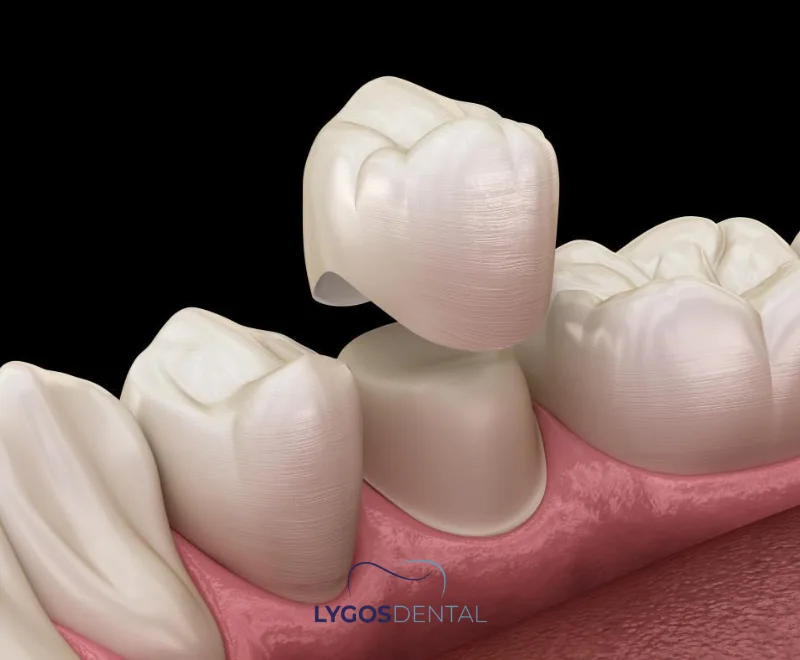
A zirconium crown is a modern dental restoration method that renews teeth both aesthetically and functionally. Compared to metal-supported crowns, zirconium offers a more natural appearance and does not harm the gums due to its biocompatible structure. It is made from zirconium dioxide, a strong ceramic material.
This type of crown is especially preferred for front teeth by people who value aesthetics. Zirconium transmits light similarly to natural enamel, making it one of the most natural-looking crown options available.
However, like any cosmetic procedure, zirconium crowns also require care. One of the most common issues patients experience is sensitivity after zirconium crowns.
Sensitivity after zirconium crowns usually appears within the first few days or weeks following the procedure. The main causes include:
Many patients wonder: “Is it normal to have pain after a zirconium crown?”
Mild pain or sensitivity following the procedure is considered normal. The tooth tissue becomes temporarily more reactive after preparation—similar to mild soreness after a new filling.
However, if the pain does not subside over time or becomes more severe, there may be a problem with the nerve or the fit of the crown. If the pain is throbbing or wakes you up at night, you should see your dentist.
When applied correctly, zirconium crowns do not cause pain. Therefore, persistent sensitivity should always be examined by a dental professional.
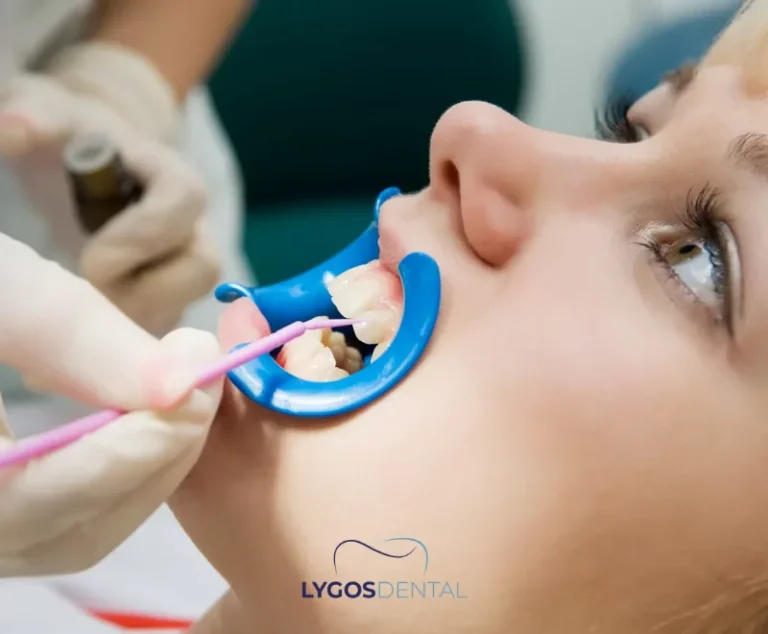
Sensitivity usually subsides on its own within a few weeks. However, the following tips can help speed up recovery and provide relief:
During the first few days after treatment, it’s important to allow your crowns and gums to adjust properly. Follow these tips:
Following these steps can extend the life of your crowns and minimize sensitivity.
Not all sensitivity is dangerous, but certain symptoms should not be ignored:
These signs may indicate nerve inflammation, infection, or the need for root canal treatment. If left untreated, the tooth may lose vitality, or the crown might need replacement. Therefore, prolonged or worsening sensitivity should never be ignored.
Zirconium crowns offer excellent aesthetic and functional results. With proper care, hygiene, and professional follow-ups, you can easily overcome the initial sensitivity period and enjoy long-term comfort.
You can contact us here to learn more about Cosmetic Dentistry, Dental Crown, Dental Implant and General Dentistry to make an appointment and to get information about our services.
Usually, sensitivity decreases within 1–2 weeks as the tooth adapts to the new crown. In some cases, it may last up to a month. If it does not improve, the bite height or cement used should be checked.
Yes. Mild sensitivity for a few days is normal due to the tooth preparation and bonding process. It is usually temporary and can be managed with desensitizing toothpaste.
The underlying tooth may become more sensitive to temperature changes because the nerve reacts to the treatment. This is why foods like hot coffee or ice cream may trigger discomfort.
Mild pain is expected, but if it persists or worsens, there may be an infection or nerve issue under the crown. Contact your dentist immediately, especially if there is throbbing pain, swelling, or pressure sensitivity — as these may indicate a more serious condition.

Special Note:
Our treatments are provided by healthcare facilities that possess a health tourism authorization certificate
Special Note: Our treatments are provided by healthcare facilities that possess a health tourism authorization certificate
Selenium Retro, Ataköy 7-8-9-10. Kısım, D-100 Güney Yanyolu No:18/A, 34158 Bakırköy/İstanbul
© 2025, LYGOS DENTAL. All Rights Reserved.