
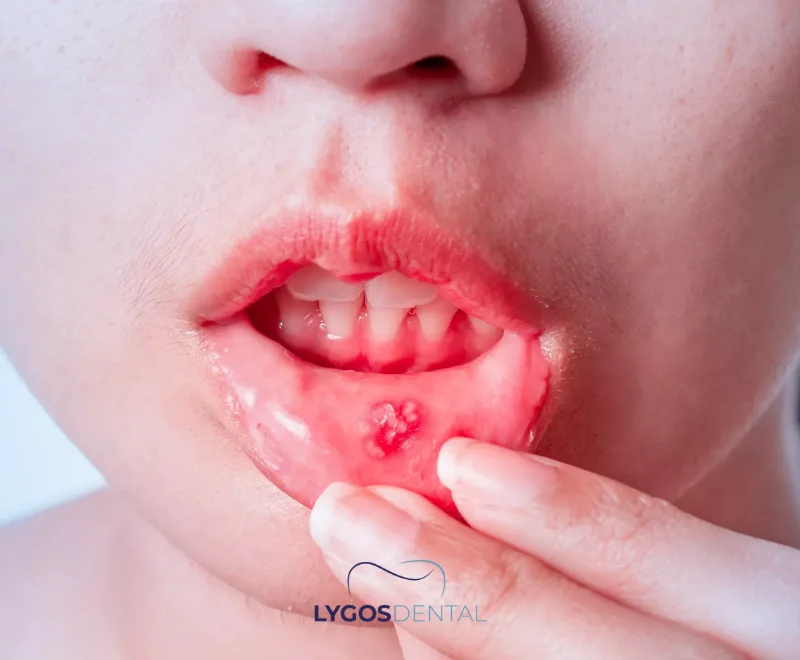
Autoimmune diseases are chronic conditions caused by the immune system mistakenly attacking the body’s own tissues. While these diseases can manifest with a wide range of symptoms, oral lesions are among the most impactful in terms of reducing patients’ quality of life. Oral lesions in autoimmune diseases are typically painful, recurrent, and difficult to treat. In this article, we will explore in detail how autoimmune diseases affect oral health.

An autoimmune disease occurs when the immune system, which normally protects the body against external threats, mistakenly targets healthy cells and tissues. Instead of defending the body, it begins attacking its own components, leading to damage in various organs and systems.
Autoimmune diseases include conditions such as lupus, rheumatoid arthritis, Behçet’s disease, Sjögren’s syndrome, and multiple sclerosis. Some of these diseases directly affect oral health, while others lead to oral issues indirectly. In many cases, oral lesions can provide crucial early clues for diagnosis.
Oral symptoms may be among the first signs of many autoimmune diseases. These symptoms can affect not only the oral mucosa but also the lips, tongue, gums, and salivary glands. The most common symptoms include:
These lesions can significantly affect daily life, making talking, eating, or brushing teeth painful. They may also be aesthetically disturbing.
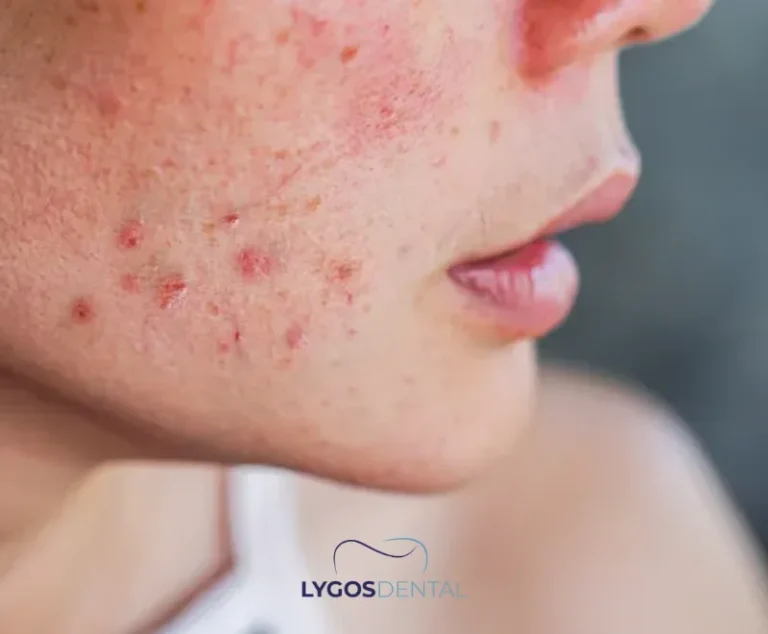
Some autoimmune diseases cause oral lesions more frequently and severely than others. The primary conditions associated with oral lesions include:
These three conditions are the most commonly encountered autoimmune diseases with oral manifestations. Here’s how each specifically affects oral health:

Treatment depends on the type and severity of the disease. The main goal is to relieve symptoms, promote healing, and prevent recurrence.
A multidisciplinary approach involving dermatologists, rheumatologists, and dentists is crucial for effective management of oral lesions in autoimmune diseases.
The answer varies depending on the disease, treatment response, and individual factors. Some patients achieve complete healing with treatment, while others experience periodic flare-ups. Behçet’s disease, in particular, is known for recurrent oral ulcers.
In most cases, the lesions are not permanent but rather episodic. However, in diseases like Sjögren’s syndrome, dry mouth may become chronic and cause long-term changes in the oral cavity.
Therefore, early diagnosis, regular follow-up, and personalized treatment plans are essential.
Oral lesions in autoimmune diseases are significant symptoms that can impact both oral and overall health. Recurrent mouth sores, persistent dryness, or gum issues may indicate an underlying autoimmune condition. Consulting a healthcare professional for evaluation is crucial in such cases.
With early diagnosis and appropriate treatment, it is possible to control these lesions. Remember, your oral health is a reflection of your general health — don’t ignore it.
You can contact us here to learn more about Cosmetic Dentistry, Dental Crown, Dental Implant and General Dentistry to make an appointment and to get information about our services.
Because the immune system mistakenly attacks the cells in the oral mucosa, causing inflammation, tissue damage, and recurring ulcers.
No. They can also be caused by stress, vitamin deficiencies, infections, or trauma. However, autoimmune-related lesions tend to be more persistent, painful, and recurrent.
No. These are caused by immune system dysfunction and are not infectious.
Yes. Recurrent, unexplained mouth sores can be one of the first signs. It’s important to consult a specialist if you experience such symptoms.

Special Note:
Our treatments are provided by healthcare facilities that possess a health tourism authorization certificate
Special Note: Our treatments are provided by healthcare facilities that possess a health tourism authorization certificate
Selenium Retro, Ataköy 7-8-9-10. Kısım, D-100 Güney Yanyolu No:18/A, 34158 Bakırköy/İstanbul
© 2025, LYGOS DENTAL. All Rights Reserved.