
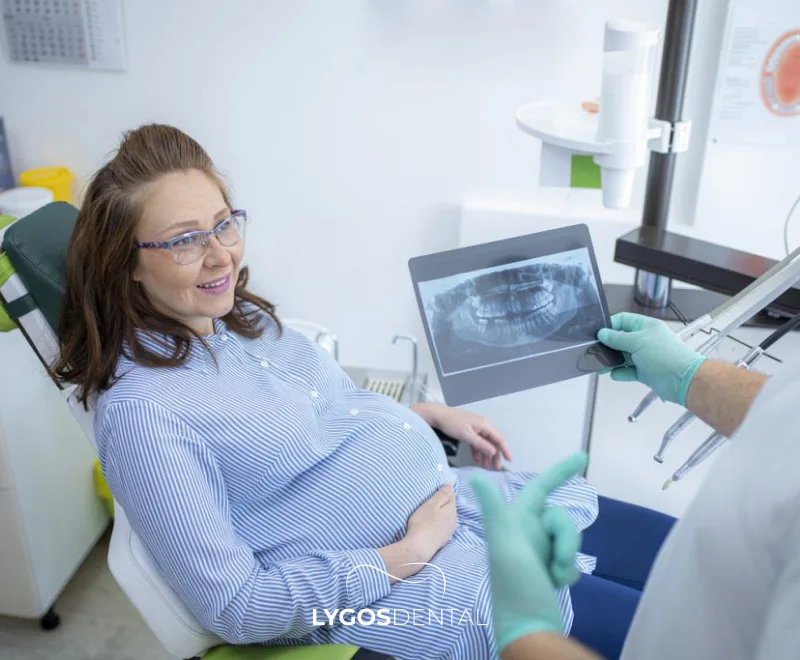
Pregnancy is a special period during which expectant mothers pay extra attention to their health and the development of their baby. Every health issue encountered during this time needs to be handled with greater care, and oral and dental health is no exception. However, the question “Is dental x-ray harmful during pregnancy?” often raises concerns for many expectant mothers. In this article, we’ll take a detailed look at the potential risks, benefits, and safest practices regarding dental x-rays during pregnancy.
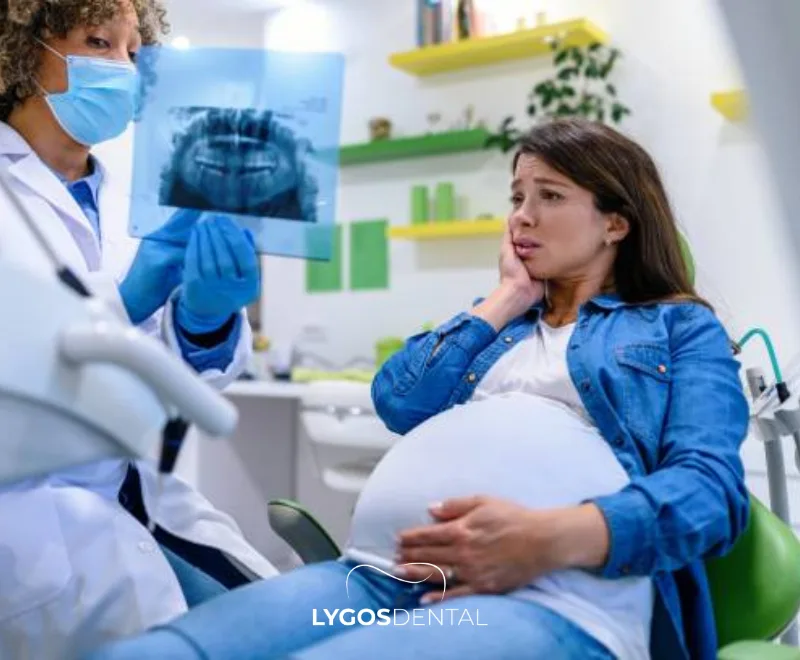
First, we need to evaluate this question from a scientific perspective. Modern dental x-ray machines used today emit a very low level of radiation—often even less than the natural daily radiation we’re exposed to. When proper protective equipment is used (such as lead aprons and thyroid shields), this low dose poses no significant threat to either the mother or the baby.
Organizations like the American Dental Association (ADA) and the American Pregnancy Association (APA) state that dental x-rays can be taken during pregnancy in emergency situations. However, unnecessary imaging should still be avoided whenever possible.
One of the most common concerns is the possible effect of radiation on the baby. Dental x-rays target the mouth area, and the radiation typically does not reach the uterus.
Nonetheless, to ensure maximum safety, protective gear such as lead aprons that cover the abdominal area should be used during x-rays. These significantly reduce any potential exposure to the baby. Therefore, when proper precautions are taken, the answer to whether dental x-rays are harmful during pregnancy is generally “no.”
Sometimes dental treatment is necessary during pregnancy. In such cases, timing is crucial. The second trimester is usually considered the safest and most comfortable time for dental procedures. By then, the baby’s major organs are developed, and the mother is typically feeling better.
Outside of emergencies, x-rays and some dental treatments are best avoided during the first and third trimesters. Regardless, every decision should be made in coordination with your doctor and dentist. If you’re unsure, remember that dental treatments done under professional supervision are generally safe during pregnancy.
Pregnancy is divided into three trimesters, and the safety of dental x-rays can vary slightly depending on the stage:
So, if an x-ray is unavoidable, the second trimester is the best window.
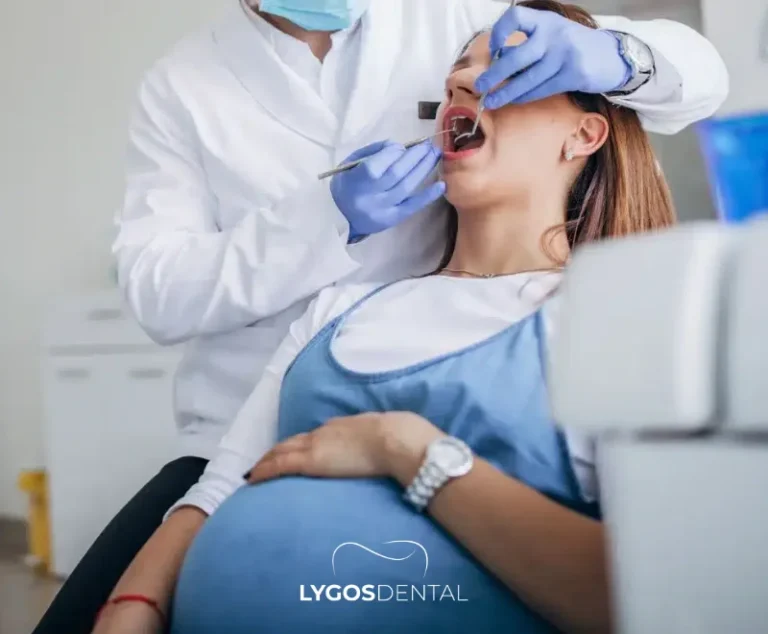
When addressing the question “Is dental x-ray harmful during pregnancy?”, it’s worth considering alternative diagnostic methods. Sometimes, dentists can rely on physical examinations, manual probing, or previous medical records to make a diagnosis.
However, these alternatives aren’t always sufficient. Hidden cavities, root infections, or cysts may require detailed imaging. In such cases, skipping an x-ray could delay treatment and potentially worsen the condition.
So when weighing the risks of dental x-rays during pregnancy, it’s important to also consider the potential risks of postponing necessary treatment.
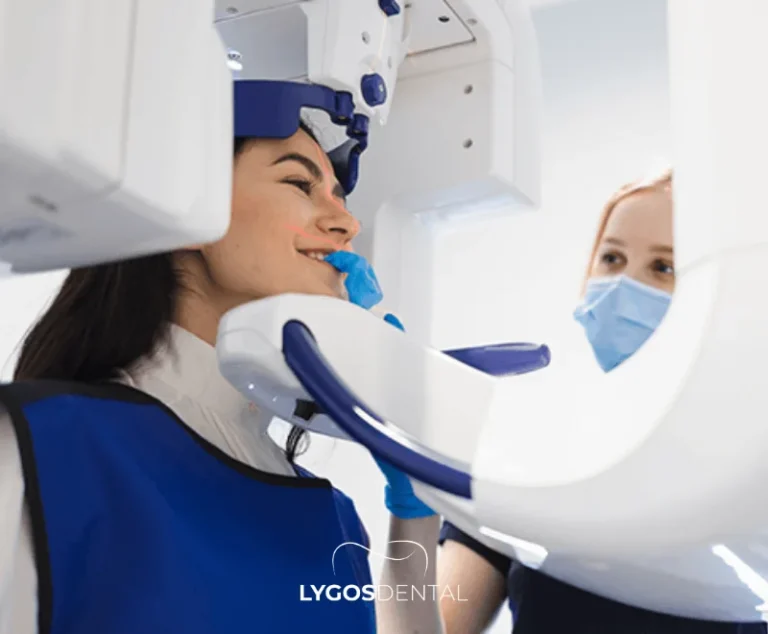
Dentists follow specific protocols when treating pregnant patients. Before starting treatment, they confirm the pregnancy and, if necessary, consult with the patient’s OB-GYN. If an x-ray is required, it’s taken with the lowest dose possible and only when essential.
Protective measures include lead aprons and thyroid collars, which shield both the mother and the baby. Also, digital x-ray systems are preferred because they emit significantly less radiation compared to traditional film-based systems.
The most accurate answer to “Is dental x-ray harmful during pregnancy?” is that with these precautions, the risk is extremely minimal. The key is close coordination between the dentist and healthcare provider.
You can contact us here to learn more about Cosmetic Dentistry, Dental Crown, Dental Implant and General Dentistry to make an appointment and to get information about our services.
Only when absolutely necessary and with a doctor’s approval. Limit the number of x-rays as much as possible.
Yes. Lead aprons significantly reduce radiation exposure and help protect the fetus.
If possible, x-rays should be avoided in the first trimester. Only emergency situations may justify it.
Yes. Digital x-rays emit far less radiation compared to traditional film x-rays.

Special Note:
Our treatments are provided by healthcare facilities that possess a health tourism authorization certificate
Special Note: Our treatments are provided by healthcare facilities that possess a health tourism authorization certificate
Selenium Retro, Ataköy 7-8-9-10. Kısım, D-100 Güney Yanyolu No:18/A, 34158 Bakırköy/İstanbul
© 2025, LYGOS DENTAL. All Rights Reserved.