
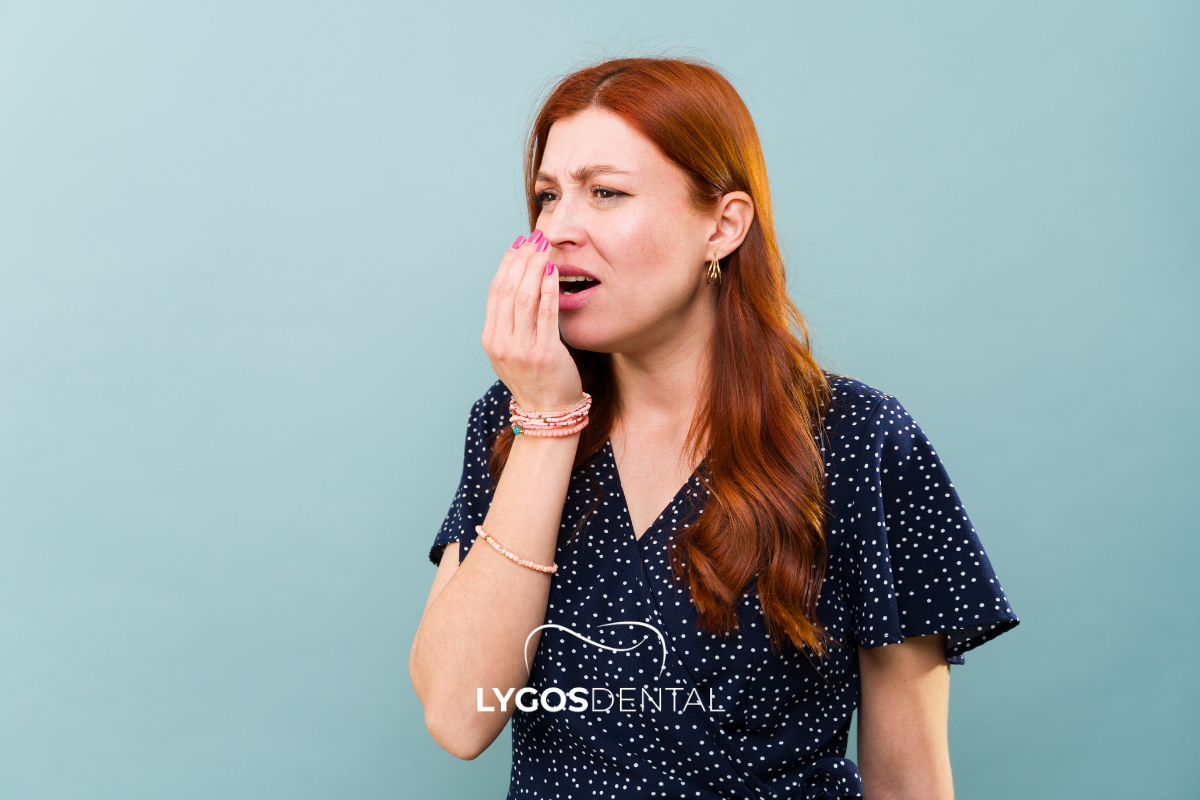
Bad breath is usually linked to oral hygiene or medical conditions. However, some people remain convinced they have bad breath even when dentists cannot detect any odor. This condition is called halitophobia. It is psychological and can affect confidence, relationships, and daily comfort.
Almost everyone has worried about their breath before an important conversation. That concern is normal. What is not normal is when the worry continues despite clear medical reassurance.
Most cases of bad breath have a physical explanation. Bacteria on the tongue, untreated gum disease, dry mouth, smoking, or certain infections can all cause odor. When treated properly, the smell improves.
Halitophobia is different. The mouth is healthy. The fear stays.
Halitophobia is the persistent belief that one has bad breath, even after professional examination shows no sign of it.
This is not simple insecurity. The thought becomes repetitive and difficult to control. A person may wake up thinking about it and go to sleep worrying about it.
The belief often feels stronger than the clinical evidence.
True halitosis has an identifiable cause. Common reasons include:
In these cases, a dentist can detect the odor. Treatment focuses on cleaning, gum therapy, or addressing underlying health issues.
Here, the patient believes there is an odor, but examination does not confirm it. After explanation and reassurance, most individuals feel relieved.
Halitophobia continues even after reassurance. The person may visit several clinics and still feel convinced something is wrong.
The problem is no longer in the mouth. It is in the perception.
There is often a trigger.
Some people previously had real bad breath. Even after treatment, they remain on alert. Every normal mouth sensation becomes suspicious.
Others remember an embarrassing comment from years ago. A single experience during adolescence can shape long-term fears.
People with social anxiety are more vulnerable. Neutral gestures—such as someone turning their head—may be misinterpreted as a reaction to odor.
Over time, this interpretation becomes automatic.
Emotional Effects
Living with this fear can be exhausting.
Some individuals avoid social events. Others speak less in meetings or avoid dating. Confidence gradually decreases.
The distress is real. The odor is not.
Because there is no visible problem, friends and family may struggle to understand why reassurance does not help.
There is often a trigger.
Some people previously had real bad breath. Even after treatment, they remain on alert. Every normal mouth sensation becomes suspicious.
Others remember an embarrassing comment from years ago. A single experience during adolescence can shape long-term fears.
People with social anxiety are more vulnerable. Neutral gestures—such as someone turning their head—may be misinterpreted as a reaction to odor.
Over time, this interpretation becomes automatic.
Halitophobia often shows through behavior:
These habits may reduce anxiety briefly. Soon after, the doubt returns.
Stress can temporarily reduce saliva flow. A dry mouth may create short-term odor. This is physical and usually resolves once hydration and saliva levels improve.
Halitophobia is different. The fear continues even when saliva and oral health are normal.
In some cases, anxiety increases body awareness. Normal sensations are misinterpreted as signs of a problem.
Teeth, gums, tongue surface, and saliva flow are assessed. If necessary, specific devices measure volatile sulfur compounds, which are responsible for most oral odors.
If no clinical findings are present and the patient remains distressed, the psychological aspect is considered.
The purpose is not to dismiss the concern. It is to provide clarity.
Management depends on the diagnosis.
If genuine halitosis exists, dental treatment solves the issue.
If halitophobia is confirmed, psychological support becomes essential.
CBT helps individuals identify distorted thoughts and replace them with balanced interpretations.
For example, instead of assuming someone stepped back because of bad breath, the person learns to consider other explanations.
Gradually, the fear loses strength.
Repeated breath checking keeps the anxiety active. Therapy focuses on reducing these habits step by step.
When checking decreases, mental pressure often decreases as well.
Breathing exercises, structured routines, and stress reduction strategies help calm the nervous system. When overall anxiety improves, obsessive concerns tend to fade.
Consider professional evaluation if:
Early support prevents the condition from becoming more severe.
Concern about breath is understandable. Oral health plays a role in confidence and communication.
Still, not every fear reflects a physical issue. Sometimes the mind holds onto a past memory and treats it as a present threat.
A structured dental evaluation provides certainty. Clinics experienced in comprehensive assessment, such as Lygos Dental, focus on identifying whether the concern is clinical or psychological.
Once the source is clear, the path forward becomes easier.
Confidence grows when fear is replaced with accurate information and appropriate care.
You can contact us here to learn more about Cosmetic Dentistry, Dental Crown, Dental Implant and General Dentistry to make an appointment and to get information about our services.
Heliophobia is an irrational, persistent fear of sunlight or bright light.
Anxiety, obsessive breath-checking, reassurance-seeking, excessive oral hygiene, and social avoidance despite no odor.
Oral bacteria breaking down proteins on tongue and teeth produce volatile sulfur compounds.
Usually not; olfactory adaptation makes self-detection unreliable, so others notice it more.
Oral bacteria breaking down proteins on tongue and teeth produce volatile sulfur compounds.
Anxiety, obsessive breath-checking, reassurance-seeking, excessive oral hygiene, and social avoidance despite no odor.
Rarely; olfactory adaptation reduces awareness, though strong odor may be occasionally noticed.
Brush tongue, floss, hydrate, use sugar-free gum; seek dental care if persistent.

Special Note:
Our treatments are provided by healthcare facilities that possess a health tourism authorization certificate
Special Note: Our treatments are provided by healthcare facilities that possess a health tourism authorization certificate
Selenium Retro, Ataköy 7-8-9-10. Kısım, D-100 Güney Yanyolu No:18/A, 34158 Bakırköy/İstanbul
© 2025, LYGOS DENTAL. All Rights Reserved.