
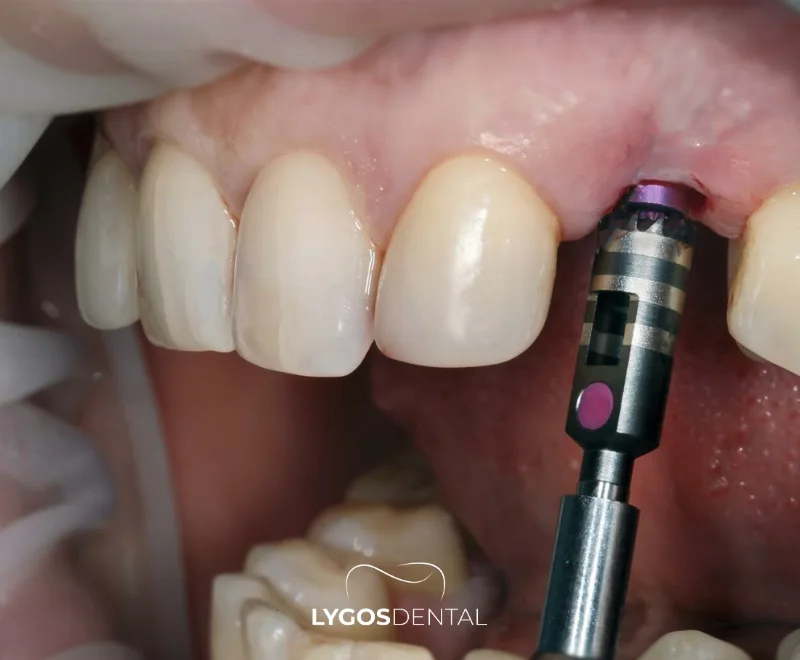
Dental implant treatment is a modern dental procedure that restores missing teeth both aesthetically and functionally. However, as with any surgical procedure, there are potential complications. One of the most common of these is the risk of infection after dental implant surgery. If proper care is not taken, or if the immune system is weakened, an infection can develop around the implant, jeopardizing its success.
Below, we will discuss in detail what post-implant infection is, its symptoms, causes, risk factors, and treatment methods.
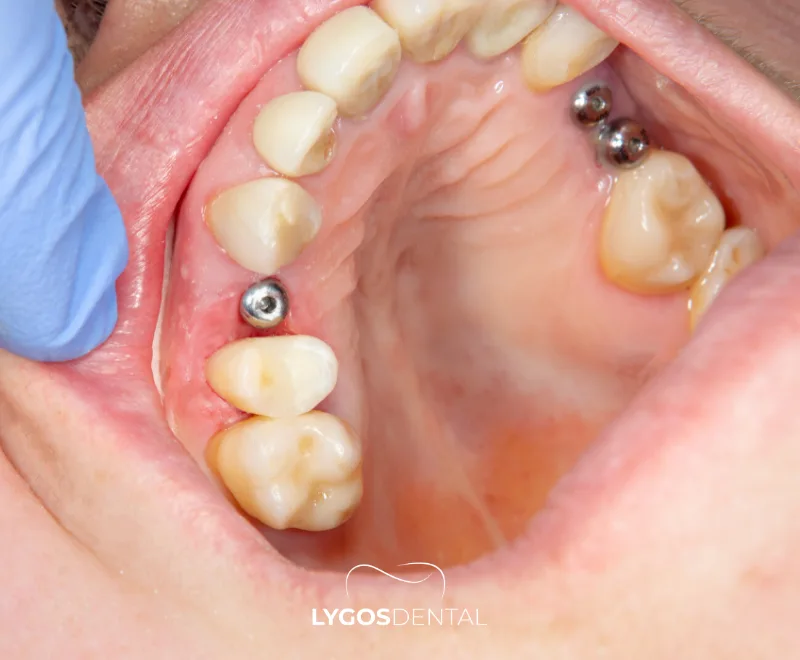
A post-dental implant infection is an inflammation caused by bacterial growth in the area where the implant has been placed. Typically, it affects the soft tissues (gum) and bone surrounding the implant. This condition is known as peri-implantitis, and if left untreated, it can lead to implant failure.
Maintaining a sterile environment during surgery and ensuring proper oral hygiene are crucial in minimizing infection risks after dental implant procedures. However, infections can still occur despite all precautions. For this reason, recognizing symptoms early and consulting a dentist promptly is extremely important.
Understanding the symptoms can help control post-implant infection risks. Early detection greatly increases the chances of saving the implant. Possible signs of infection include:
If one or more of these symptoms appear, see a dentist immediately. Early intervention prevents long-term damage.

Infections around implants usually develop when bacteria settle near the implant site. The main causes include:
When one or more of these factors are present, the risk of infection increases significantly. Proper planning and patient education before treatment are key.
Some individuals are more prone to infection due to genetic or lifestyle factors. The following increase infection risks:
If any of these factors apply, your dentist will likely recommend a personalized preventive care plan to minimize risks.

When detected early, implant infections can usually be treated successfully. The goal of treatment is to remove bacteria and support tissue healing. Common treatment methods include:
With timely treatment, most implants can be saved. Delayed intervention, however, can cause bone loss and implant failure.
Untreated infections can lead to serious complications. When ignored, infections may cause gradual bone loss around the implant, known as peri-implantitis, which can ultimately result in implant failure.
Possible consequences include:
Maintaining good oral hygiene and attending regular dental checkups are the best ways to prevent these outcomes.
You can contact us here to learn more about Cosmetic Dentistry, Dental Crown, Dental Implant and General Dentistry to make an appointment and to get information about our services.
Infection typically develops within the first few weeks after surgery but can also appear months later. Regular checkups throughout the healing process are crucial for early detection and control.
Yes. In most cases, an infected implant can be saved with proper treatment, including antibiotics, professional cleaning, and sometimes minor surgery. However, if treatment is delayed, bone loss may occur, requiring implant removal.
No, implant-related infections are not contagious. However, poor oral hygiene can allow bacteria to spread and harm nearby gums and teeth, worsening overall oral health.
If untreated, the infection can lead to bone loss, implant failure, and even spread to other parts of the body. For this reason, post-implant infection risks should never be ignored.

Special Note:
Our treatments are provided by healthcare facilities that possess a health tourism authorization certificate
Special Note: Our treatments are provided by healthcare facilities that possess a health tourism authorization certificate
Selenium Retro, Ataköy 7-8-9-10. Kısım, D-100 Güney Yanyolu No:18/A, 34158 Bakırköy/İstanbul
© 2025, LYGOS DENTAL. All Rights Reserved.