
Let’s be honest almost everyone has had that moment where they suddenly realize they forgot their toothbrush. Maybe you’re on a trip, maybe you stayed somewhere overnight, or maybe your brush simply disappeared into thin air (somehow they do that). Whatever the reason, not having a toothbrush doesn’t mean you have to give up on keeping your mouth clean.
Of course, nothing is as effective as brushing with an actual toothbrush and toothpaste, but until you get one, there are a few tricks that help keep things fresh. Below, I’ll share the simplest methods you can use, along with a few interesting facts about how people cleaned their teeth before modern brushes existed.
Surprisingly, yes. Not perfectly, but well enough to manage for a short time. The goal isn’t to deep-clean the teeth; it’s to avoid plaque building up, reduce bad breath, and get rid of food leftovers. Think of these methods as temporary solutions lifesavers when you’re in a pinch.
If nothing else is available, rinse your mouth thoroughly with water. And don’t just take a quick sip. Swish it around for a good 20–30 seconds, spit it out, and repeat.
Water can:
It won’t leave your mouth feeling freshly brushed, but it does make a noticeable difference.
This sounds funny, but it works surprisingly well—as long as your hands are clean.
Here’s what to do:
It’s not elegant, and certainly not glamorous, but it gets the job done when you’re stuck.
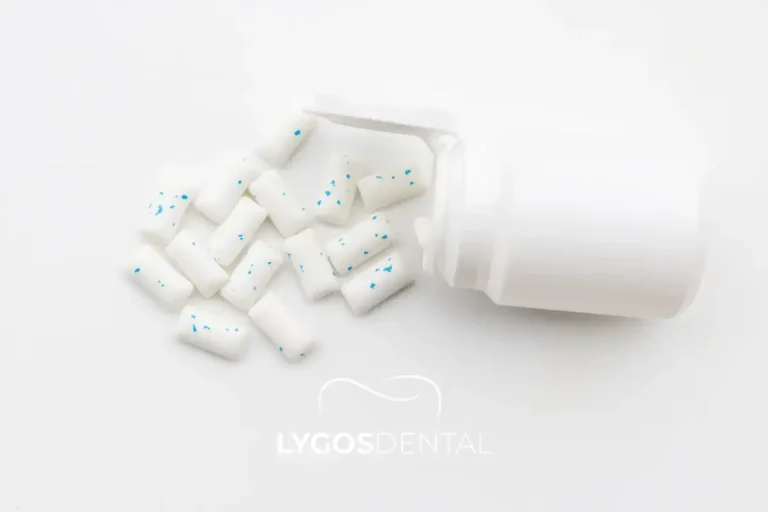
If you often forget your toothbrush while traveling, you might want to keep sugar-free gum in your bag. Chewing gum especially one with xylitol encourages your mouth to produce more saliva.
And saliva is actually your mouth’s natural cleaning system.
Gum helps:
Again, this isn’t a substitute for real brushing, but it’s one of the easiest temporary fixes.
Back in school, you may have heard someone call apples “nature’s toothbrush.” While that’s an exaggeration, crunchy fruits and vegetables do help scrub the teeth a bit.
The best options are:
They won’t remove plaque, but they do clean the surface and make your mouth feel fresher.
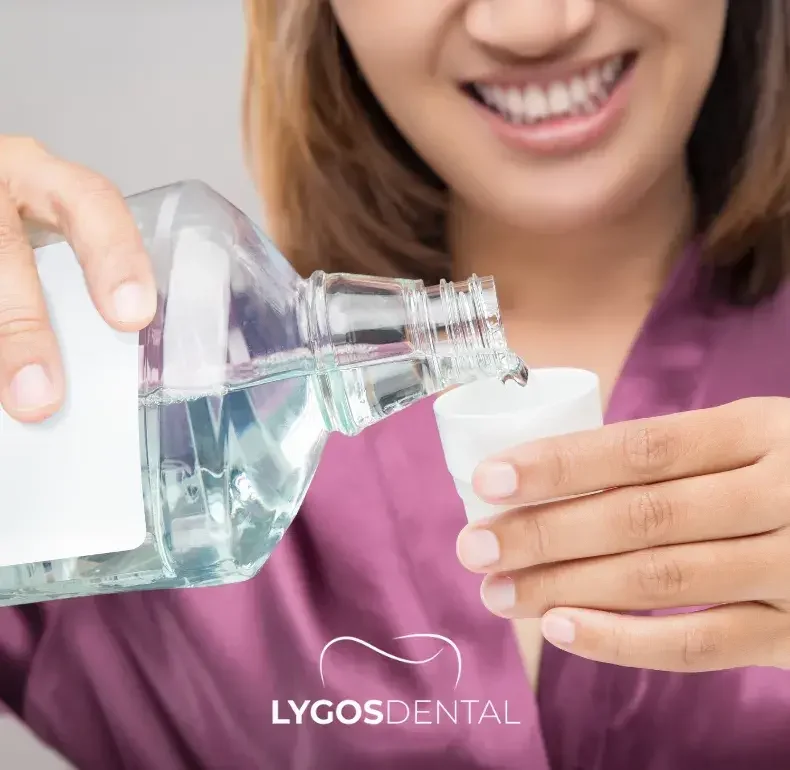
If you don’t have a toothbrush but happen to have mouthwash, that’s great use it. It kills bacteria quickly and leaves your mouth feeling cleaner.
If not, saltwater is a classic old method that still works well. Mix a pinch of salt in warm water, rinse, and spit. It reduces swelling and helps keep bacteria under control.
Long before toothbrushes existed, people cleaned their teeth using cloths or small fabric strips.
To use this method:
It’s very basic, but so were most early oral-care routines.
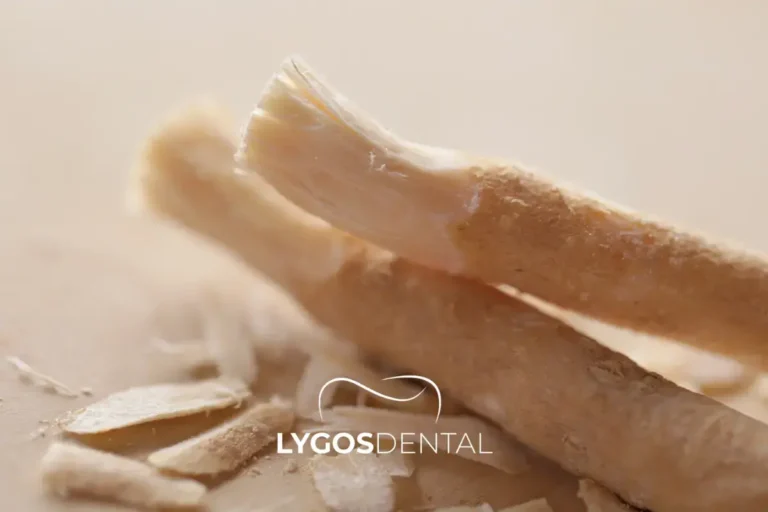
This part is actually fascinating. People have been cleaning their teeth for thousands of years, long before minty toothpaste appeared.
Different cultures used:
Some of these, like miswak, are still used today and have naturally antibacterial properties.
While these methods were better than nothing, none of them clean teeth as effectively as today’s toothbrushes.

All the tips above help you “survive” for a short time, but plaque hardens into tartar within 48–72 hours. Once it hardens, only a dentist can remove it.
Brushing twice a day with fluoride toothpaste remains the gold standard because it:
So yes, temporary solutions are helpful but only for a temporary period.
You can contact us here to learn more about Cosmetic Dentistry, Dental Crown, Dental Implant and General Dentistry to make an appointment and to get information about our services.
You can rinse with water, use your finger wrapped in tissue, chew sugar-free gum, or rub your teeth with a clean cloth. They work as short-term fixes.
Water rinsing, finger cleaning, crunchy fruits, saltwater, mouthwash, and gum all help until you can brush properly again.
People used miswak, cloths, charcoal, herbs, salt mixes, and plant twigs. These were the early versions of dental care.
They used chewing sticks, salt, ashes, herbal powders, cloth, and other natural materials simple but effective for their time.
They used chewing sticks, salt, ashes, herbal powders, cloth, and other natural materials simple but effective for their time.

Special Note:
Our treatments are provided by healthcare facilities that possess a health tourism authorization certificate
Special Note: Our treatments are provided by healthcare facilities that possess a health tourism authorization certificate
Selenium Retro, Ataköy 7-8-9-10. Kısım, D-100 Güney Yanyolu No:18/A, 34158 Bakırköy/İstanbul
© 2025, LYGOS DENTAL. All Rights Reserved.