
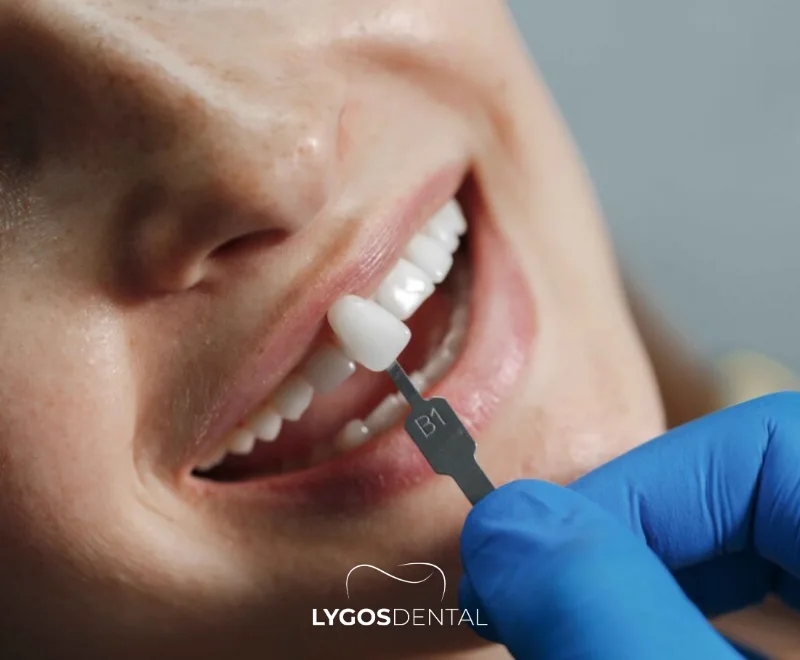
One of the most preferred treatments in dental aesthetics is veneers, which mimic the natural appearance of teeth and improve smile aesthetics. These coverings are used not only for cosmetic purposes but also for functional reasons. With proper care and regular checkups, they can last for many years. However, the main question many people have is: How long do veneers last?
In this article, we will cover in detail the durability of veneers, the factors that affect their lifespan, and what to pay attention to for longer use.
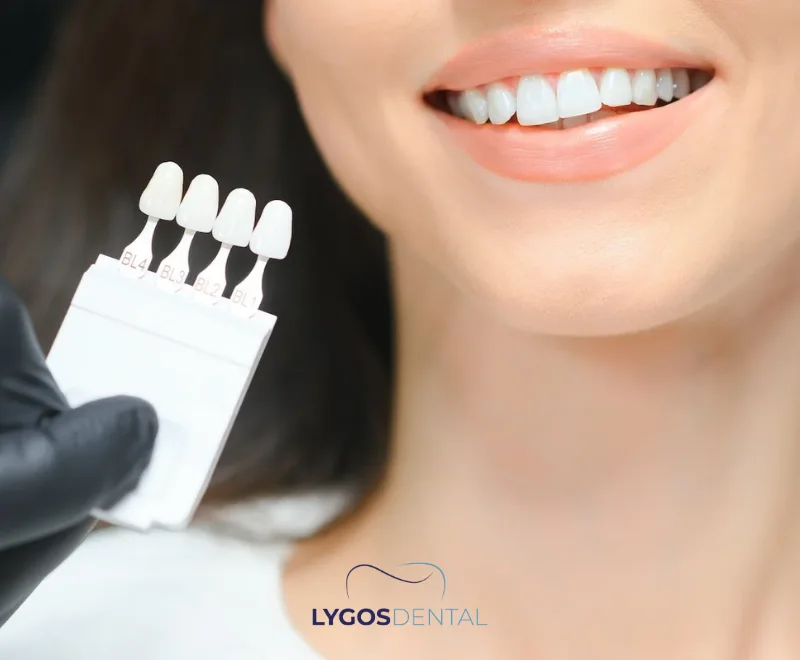
A veneer is a thin shell applied to the front surface of the teeth. They can be made from porcelain or composite materials. Veneers are highly popular for addressing aesthetic concerns related to tooth color, shape, size, or alignment.
The main reason veneers are preferred is that they provide long-term smile aesthetics. Still, patients often wonder: “How long do veneers last?”
The lifespan of veneers depends on the material used and the person’s oral care routine. On average:
Of course, these are not exact numbers. With proper care, regular dental checkups, and healthy habits, veneers can last even longer. In short, the answer to how long veneers last varies from person to person.
The material used is one of the most important factors in veneer selection because it directly affects durability.
Thus, the answer to how long veneers last varies significantly depending on the material. For long-term aesthetics, porcelain veneers are usually the better option.

The longevity of veneers depends not only on the material but also on several other factors:
Therefore, how long veneers last is closely related to lifestyle choices.
To ensure long-lasting veneers, certain habits should be avoided:
Remember, the most important answer to how long veneers last lies in the patient’s own habits.
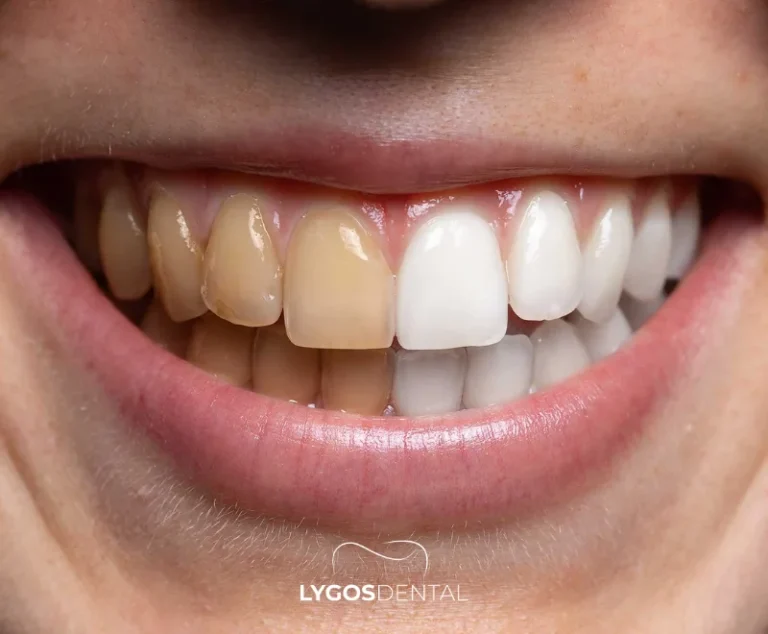
Although veneers are long-lasting, they may need to be replaced over time. Signs that indicate replacement is needed include:
When these issues occur, it’s important to visit the dentist for evaluation. The answer to how long veneers last is not just measured in years but also depends on their aesthetic and functional condition.
Veneer treatments provide highly successful aesthetic and functional solutions. However, many patients reasonably ask: “How long do veneers last?” The answer depends on the material used, oral hygiene, lifestyle, and regular dental checkups.
With proper care, regular follow-ups, and healthy habits, veneers can last much longer. It’s important to remember that the key factor in veneer lifespan is the individual’s own responsibility.
In short, there is no fixed answer to how long veneers last, but with conscious use and attentive care, they can remain problem-free for decades.
You can contact us here to learn more about Cosmetic Dentistry, Dental Crown, Dental Implant and General Dentistry to make an appointment and to get information about our services.
The lifespan depends on the material and care habits. Porcelain veneers last on average 10–15 years, while composite veneers last 5–7 years. With proper care and checkups, this can be extended further.
Yes. While veneers don’t require a special routine, regular brushing, flossing, and dental checkups are crucial to maintaining their longevity.
No. Only a very thin layer of the tooth surface is removed during application. When applied professionally, veneers don’t harm natural teeth — they actually help protect them.
Porcelain veneers are highly resistant to stains and maintain their color for years. Composite veneers, however, may discolor over time due to coffee, tea, smoking, and similar factors.

Special Note:
Our treatments are provided by healthcare facilities that possess a health tourism authorization certificate
Special Note: Our treatments are provided by healthcare facilities that possess a health tourism authorization certificate
Selenium Retro, Ataköy 7-8-9-10. Kısım, D-100 Güney Yanyolu No:18/A, 34158 Bakırköy/İstanbul
© 2025, LYGOS DENTAL. All Rights Reserved.