

You’re not alone. Almost everyone has had that moment. You’re halfway through your morning routine or already on the road, and suddenly it hits you: no toothpaste. Maybe you forgot to pack it. Maybe the tube is empty. Either way, the question is the same. Do you skip brushing, or can you do something else?
At Lygos Dental, this comes up more than you’d expect. And the short answer is this: forgetting toothpaste once is not a disaster. What matters more is not skipping care altogether.
If toothpaste is missing, doing nothing is the worst option. Even without toothpaste, brushing still removes plaque, food particles, and bacteria from the surface of your teeth and along the gumline.
A clean toothbrush and plain water can already do a lot. Toothpaste helps, yes, but the brushing motion itself is doing most of the cleaning work.
So if you have to choose between brushing without toothpaste or not brushing at all, brushing wins every time.
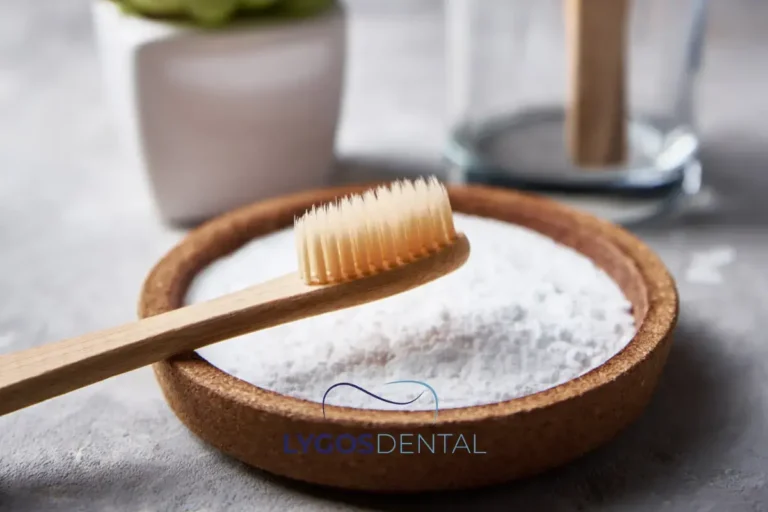
When toothpaste isn’t around, a few basic items can help you get through the day.
This is the safest option. Brush slowly and gently. Pay attention to the gumline and the back teeth, where plaque builds up easily. Rinse well afterward.
It’s simple, but it works.
If you have salt, mix a small pinch into warm water. You can rinse with it or gently brush using the solution. Salt has mild antibacterial properties and can help the mouth feel fresher for a while.
This is a short-term solution, not something to do every day.
Baking soda can neutralize odors and help with surface stains. If you use it, use very little and brush gently. Scrubbing hard can damage enamel.
Think of this as an emergency backup, not a replacement.
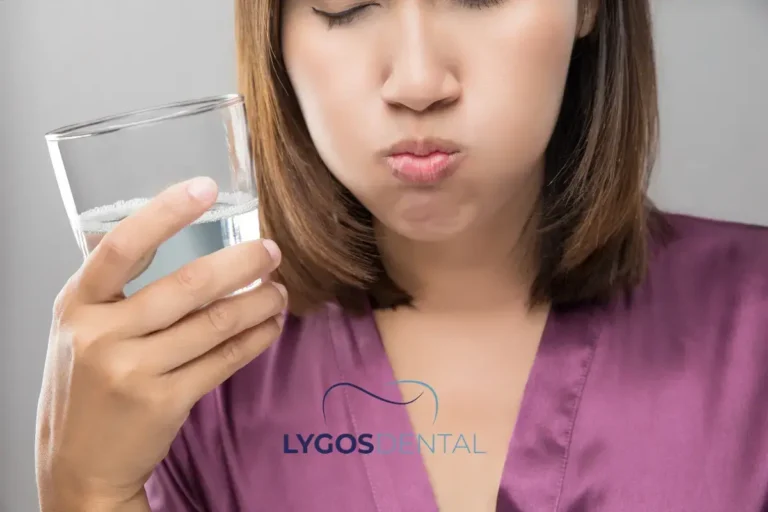
If you can’t brush at all, rinsing your mouth several times with water is still better than nothing. Alcohol-free mouthwash can help too, if available. It won’t clean like brushing, but it can reduce bacteria and wash away food debris.
Some “natural” ideas sound good but are actually harmful. Avoid lemon juice, vinegar, charcoal powder, or anything abrasive. These can wear down enamel and irritate gums, especially if used more than once.
At Lygos Dental, we always stress this point: emergency solutions are temporary. They are not meant to replace proper oral care.
The 2-2-2 rule is just an easy reminder:
Forgetting toothpaste once doesn’t break this routine. What matters is consistency over time, not perfection every single day.
If you really want something paste-like, you can mix a tiny amount of baking soda with a drop of water. That’s it. No oils, no acids, no fancy ingredients.
Use it gently, rinse well, and move on. This is for one or two uses only.
Toothpaste contains fluoride or similar ingredients that help protect enamel and prevent cavities. Emergency alternatives don’t offer that protection.
That’s why skipping toothpaste should only ever be temporary. As soon as you can, go back to your normal brushing routine.
If you travel often or tend to forget essentials, keeping a small travel-size toothpaste in your bag can save you trouble. Oral care works best when it’s easy to stick to.
At Lygos Dental, we always say this: one missed product won’t ruin your teeth. Long-term habits are what actually matter.
You can contact us here to learn more about Cosmetic Dentistry, Dental Crown, Dental Implant and General Dentistry to make an appointment and to get information about our services.
Brush with a clean toothbrush and water.
Brushing alone still removes plaque and is better than skipping oral care.
Brush twice a day, for two minutes each time, and see a dentist twice a year.
It’s a simple way to remember good oral habits.
Water, salt water, or a very small amount of baking soda can help temporarily.
These are emergency options, not daily substitutes.
Mix a little baking soda with a drop of water to form a mild paste.
Use gently and rinse thoroughly afterward.
In emergencies, brushing with water or rinsing with salt water is acceptable.
Avoid acidic or abrasive substances that can damage enamel.

Special Note:
Our treatments are provided by healthcare facilities that possess a health tourism authorization certificate
Special Note: Our treatments are provided by healthcare facilities that possess a health tourism authorization certificate
Selenium Retro, Ataköy 7-8-9-10. Kısım, D-100 Güney Yanyolu No:18/A, 34158 Bakırköy/İstanbul
© 2025, LYGOS DENTAL. All Rights Reserved.