
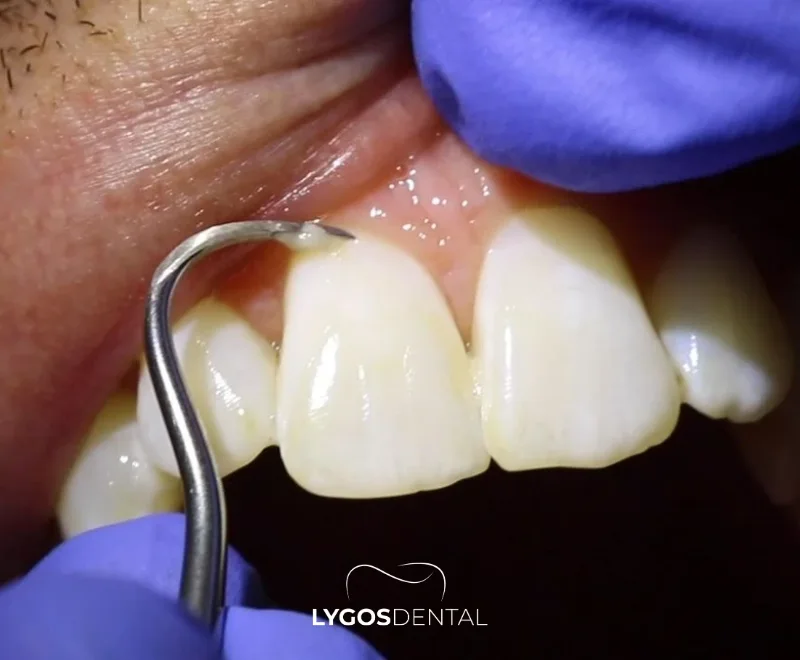
Oral and dental health is an integral part of overall health. Plaque that accumulates on the teeth hardens over time and turns into tartar. This can lead to both aesthetic and health-related issues. For this reason, tartar cleaning is a routine procedure recommended by dentists. However, many people wonder: “Does Tartar Cleaning Damage Tooth Enamel?” In this article, we will explore this question in detail.
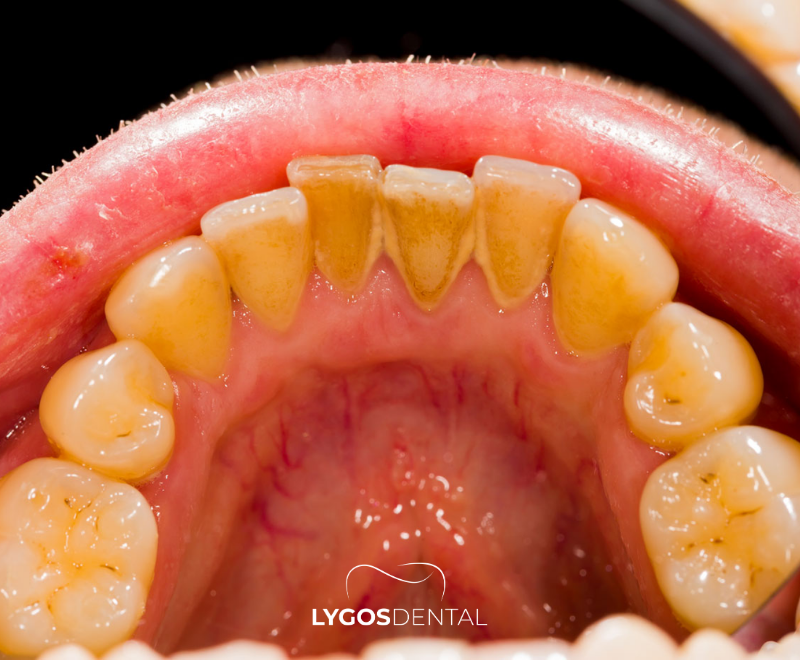
Tartar is the hardened form of plaque that accumulates on tooth surfaces. Dental plaque forms when food particles, saliva, and bacteria combine. If not removed, it hardens due to minerals in saliva and turns into tartar. Tartar typically accumulates between the gums and teeth, on the inner surfaces of teeth, and in hard-to-reach areas.
Tartar cleaning is an important procedure to maintain oral and dental health. If tartar is not removed, it can lead to:
Tartar cleaning helps keep teeth healthier, cleaner, and more aesthetically pleasing.
One of the most frequently asked questions is: Does Tartar Cleaning Damage Tooth Enamel? The answer is no. When performed by a qualified dentist using the proper techniques, tartar cleaning does not damage the enamel. Ultrasonic devices or hand tools are used in the procedure. These tools only break apart and remove tartar — they do not touch or harm the tooth enamel.
However, some individuals may feel sensitivity in their teeth after the procedure. This is usually not due to enamel damage, but because the tartar previously acted as a protective layer. In summary: the scientific answer to “Does Tartar Cleaning Damage Tooth Enamel?” is no, when done properly.
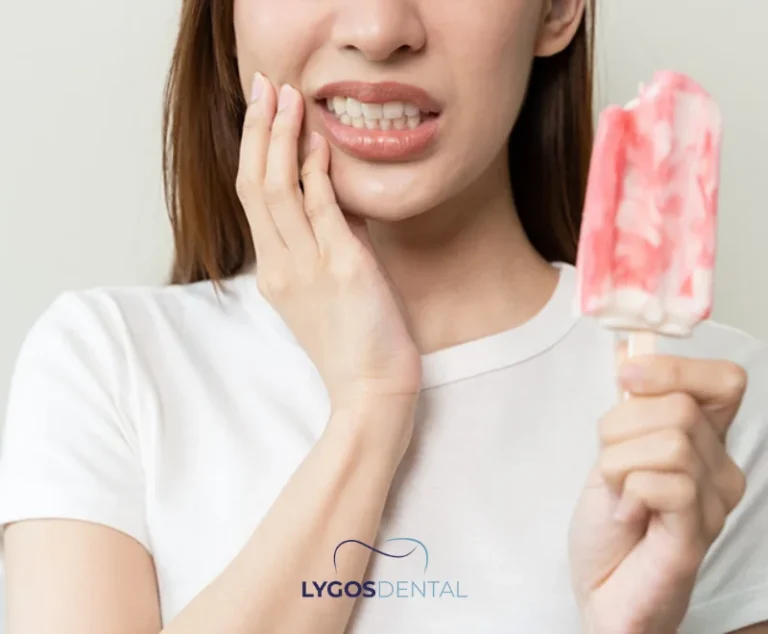
Yes, mild sensitivity after tartar cleaning is normal. The main reasons include:
This sensitivity usually resolves on its own within a few days. However, if the sensitivity is prolonged or severe, it’s advisable to consult a dentist. Again, this sensitivity does not indicate damage to the enamel — it’s due to newly exposed surfaces that were previously covered.
Tartar buildup varies from person to person. Generally, experts recommend tartar cleaning every 6 months. However, it may need to be done more frequently in the following cases:
Regular checkups and cleanings are the best way to protect your tooth enamel. If you want to stop worrying about the question “Does Tartar Cleaning Damage Tooth Enamel?”, just make sure the procedure is done by qualified professionals.

To maintain oral health after tartar cleaning, pay attention to the following:
These steps help prevent new tartar formation and protect existing tooth enamel.
The answer to the question is clear: when done professionally and under the right conditions, tartar cleaning does not damage tooth enamel. On the contrary, it helps preserve it. Procedures done by qualified dentists do not affect the enamel — only the tartar layer is removed. So, you can put the question “Does Tartar Cleaning Damage Tooth Enamel?” to rest and confidently proceed with the procedure.
You can contact us here to learn more about Cosmetic Dentistry, Dental Crown, Dental Implant and General Dentistry to make an appointment and to get information about our services.
No, when done by a qualified dentist, tartar cleaning does not damage tooth enamel. The tools used only target tartar and do not harm the enamel layer.
No, tartar cleaning is generally painless. However, in some cases, it may cause sensitivity. If necessary, local anesthesia can be used.
Tartar may have covered the root surface of the tooth. After cleaning, this area becomes exposed, which can cause short-term sensitivity. This does not mean the enamel was harmed.
The duration depends on the amount of tartar buildup. It typically takes between 20 and 40 minutes.
No, if oral hygiene is not maintained, tartar can form again. Therefore, the cleaning process should be repeated regularly.

Special Note:
Our treatments are provided by healthcare facilities that possess a health tourism authorization certificate
Special Note: Our treatments are provided by healthcare facilities that possess a health tourism authorization certificate
Selenium Retro, Ataköy 7-8-9-10. Kısım, D-100 Güney Yanyolu No:18/A, 34158 Bakırköy/İstanbul
© 2025, LYGOS DENTAL. All Rights Reserved.