
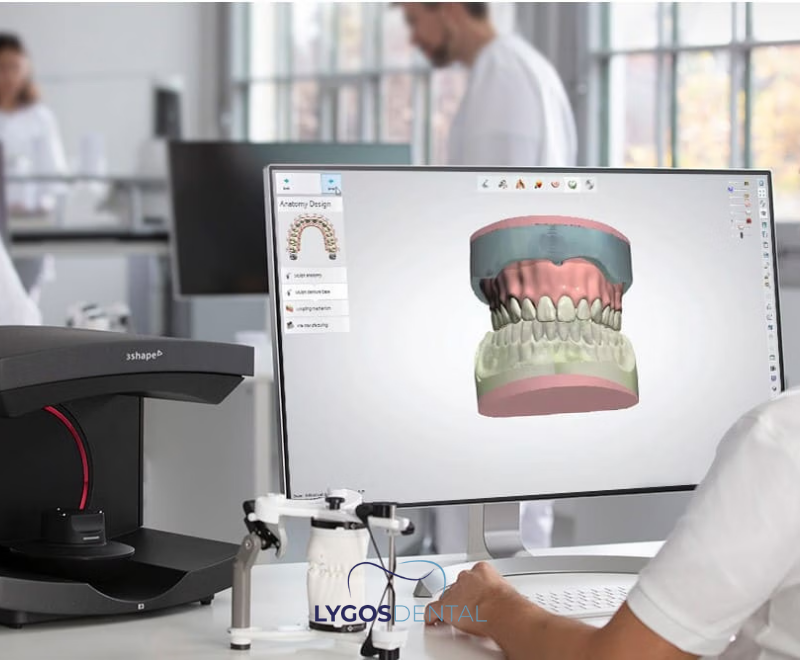
In today’s increasingly digital healthcare world, dentistry is undergoing a significant transformation. One of the most remarkable developments is Dental Treatments with CAD/CAM Technology. Thanks to advanced computer-aided design and manufacturing technology, both aesthetic and functional solutions can now be delivered more quickly and with higher precision. So what exactly is this technology, how is it applied, and who is it suitable for? All the details are in this article.
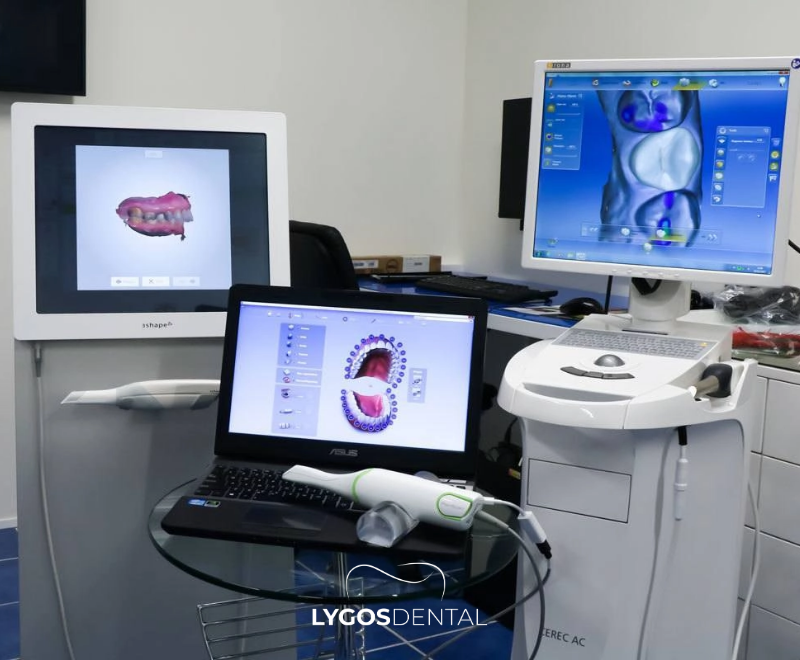
CAD/CAM stands for Computer-Aided Design and Computer-Aided Manufacturing. This technology enables the digital scanning, designing, and manufacturing of dental structures. In dentistry, CAD/CAM systems allow the patient’s oral anatomy to be digitally scanned, and using this data, restorations made from porcelain, zirconia, or ceramic materials are prepared.
Dental treatments using CAD/CAM technology offer a system that operates with millimetric accuracy, saves time, and delivers more aesthetic results compared to traditional methods. It is significantly faster and more comfortable.
CAD/CAM technology can be applied across a wide range of dental procedures. Here are the most common applications in dentistry:
Thanks to its wide range of applications, CAD/CAM Technology in Dental Treatments addresses both aesthetic and functional needs.
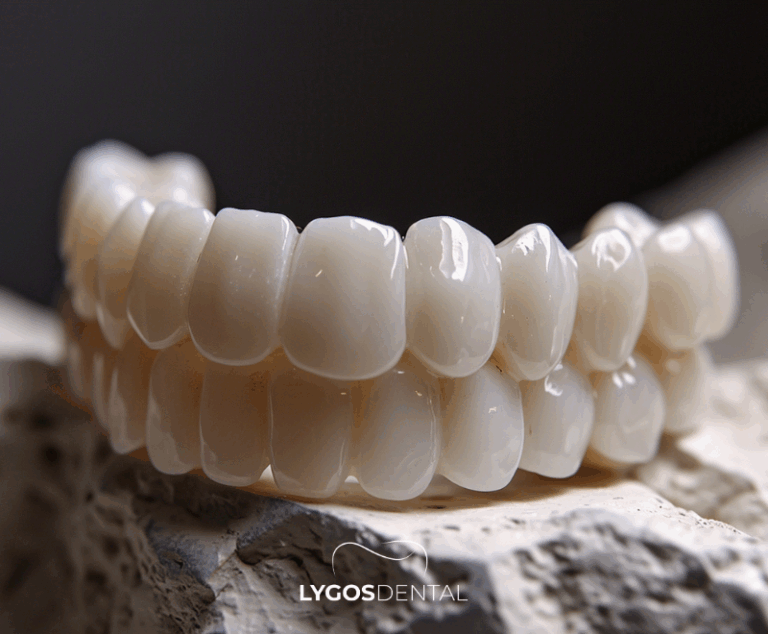
The widespread adoption of this technology in dental treatments is due to several key benefits. Here are the main advantages:
These advantages make CAD/CAM dental treatments easier and more effective for both patients and dentists.
Here is a comparison that highlights the major differences:
|
Feature
|
Traditional Method
|
CAD/CAM Method
|
|---|---|---|
|
Impression Taking |
With paste, uncomfortable |
With digital scanner, comfortable |
|
Production Time |
Can take several days |
Often completed the same day |
|
Accuracy |
Prone to human error |
Millimetric precision |
|
Aesthetic Appearance |
Less natural-looking |
Closest to real tooth appearance |
|
Number of Appointments |
Usually 2 or more |
Can be completed in one session |
This table clearly shows why CAD/CAM technology is becoming the preferred standard in modern dentistry.
CAD/CAM Technology in Dental Treatments is flexible enough to serve almost every age group and need. It is especially suitable for:
However, your dentist will ultimately determine if this method is appropriate for your specific oral structure and overall health.
As of 2025, the cost of CAD/CAM dental treatments can vary depending on several factors:
Estimated Price Ranges (2025):
For precise pricing, it’s best to contact the clinic where you plan to have the procedure done.
CAD/CAM Technology in Dental Treatments is not just a trend—it has become the new standard in modern dentistry. For those looking for faster and more aesthetically pleasing solutions, this technology offers major benefits. If you’re seeking a more comfortable, efficient, and natural-looking dental treatment, CAD/CAM systems may be the right choice for you.
Remember: CAD/CAM technology is not only shaping today’s dental treatments but also defining the future of dentistry.
You can contact us here to learn more about Cosmetic Dentistry, Dental Crown, Dental Implant and General Dentistry to make an appointment and to get information about our services.
Thanks to CAD/CAM technology, many treatments can be completed in a single session. Digital scanning, design, and production are done much faster than traditional methods. For example, a zirconia crown can often be applied on the same day.
No. CAD/CAM dental treatments are painless. The digital scanners used for impressions make the process much more comfortable. If needed, local anesthesia is applied, so no pain is felt during the procedure.
Restorations made using CAD/CAM are crafted from high-quality materials like zirconia and ceramic. With proper care, they can last 10–15 years or even longer.
This depends on the country and specific insurance policy. In Turkey, CAD/CAM systems are limited in public hospitals and mostly used in private clinics, where they are usually not covered by insurance. However, some private health insurances may partially cover these treatments.

Special Note:
Our treatments are provided by healthcare facilities that possess a health tourism authorization certificate
Special Note: Our treatments are provided by healthcare facilities that possess a health tourism authorization certificate
Selenium Retro, Ataköy 7-8-9-10. Kısım, D-100 Güney Yanyolu No:18/A, 34158 Bakırköy/İstanbul
© 2025, LYGOS DENTAL. All Rights Reserved.