

Dental health is affected by physiological processes that change throughout life. As we age, certain changes occur in the structure, durability, and function of our teeth. Therefore, Changes in Dental Structure by Age is a process that must be carefully monitored in terms of oral and dental health. Each life stage, from infancy to old age, has its own unique dental development and challenges. In this article, we will examine in detail the changes in dental structure according to different age groups.

When analyzing Changes in Dental Structure by Age, the first stage is infancy. During this period, baby teeth (primary teeth) begin to erupt. Usually, the lower central incisors appear around the 6th month, followed by other baby teeth.
A total of 20 baby teeth complete their development in this stage. These teeth are crucial for guiding permanent teeth and supporting jaw development. The teething process in babies can be accompanied by restlessness, increased drooling, and mild fever.
Dental cleaning at this age should be done with a soft cloth, and the first dental visit should be made by the age of 1. Developing such habits early lays the foundation for a healthy dental structure in the future.
Changes in Dental Structure by Age become more pronounced during childhood. Around age 6, baby teeth begin to fall out and are replaced by permanent teeth. The lower front teeth and first permanent molars (6-year molars) usually appear first.
By age 12, significant changes occur in the oral structure:
If oral care is neglected during this period, cavities and gum issues may develop. Regular dental checkups, use of dental floss, and proper brushing habits are essential. Orthodontic problems can also be detected and corrected at an early stage during these years.
The transition of teeth during childhood is critical in establishing a healthy oral structure through proper habits.
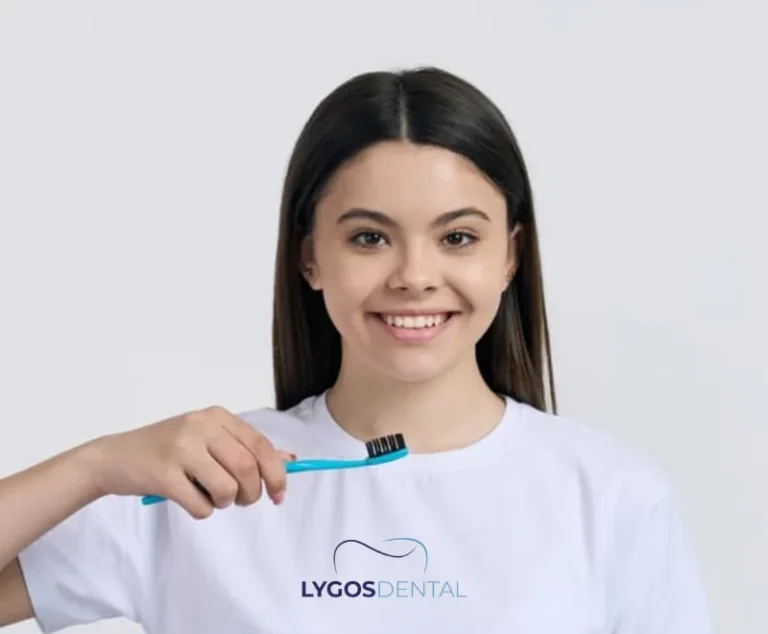
Hormonal changes during adolescence can directly affect dental and gum health. In this period, susceptibility to gum diseases increases. At the same time, aesthetic concerns become more prominent. One of the most noticeable aspects of Changes in Dental Structure by Age in this stage is the increased need for orthodontic treatment.
Braces are commonly used in this age group. As the full set of permanent teeth has erupted, this is an ideal period for orthodontic intervention. Additionally:
Therefore, maintaining oral hygiene is especially important during adolescence. Parents’ conscious guidance plays a major role in helping teenagers maintain dental health.
Adulthood is the period when individuals are most socially and physically active. During this stage, Changes in Dental Structure by Age are mostly related to wear and tear from use. Enamel erosion, gum recession, and early-stage cavities are common in this age range.
Also during this period:
It is essential for adults to visit the dentist at least twice a year to remove plaque buildup and detect problems early. Healthy nutrition and regular care routines positively influence dental health during this stage.
It’s important to note that oral care habits developed during adulthood play a defining role in dental health in older age.
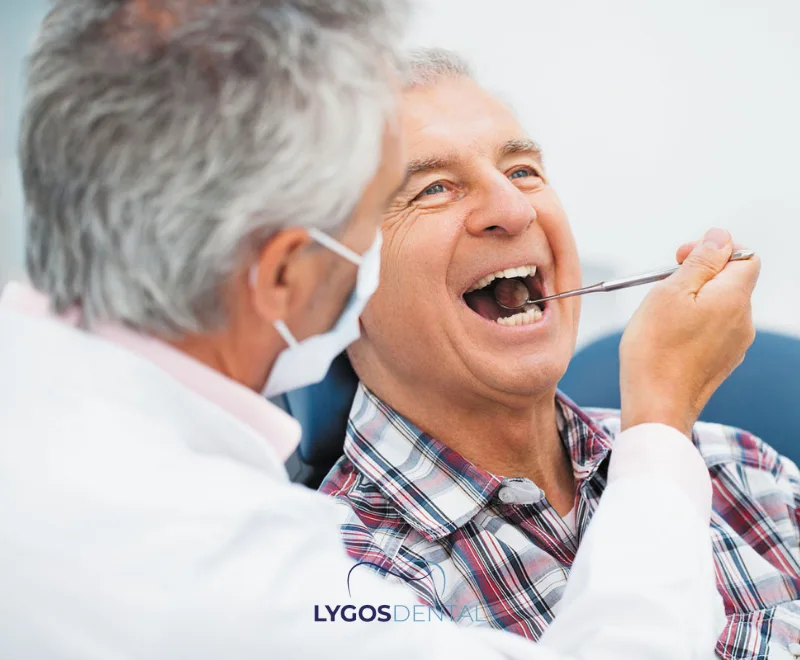
Middle age is a critical stage in terms of Changes in Dental Structure by Age. Gum diseases, enamel thinning, and tooth loss are more common in this age group. Hormonal changes like menopause and andropause can also affect oral health.
Common problems include:
To prevent these issues, regular dental checkups, the use of dental-friendly products, avoiding smoking, and adopting a calcium-rich diet are recommended.
Additionally, lost teeth at this age should be replaced with implants or bridges for both aesthetic and functional reasons.
In old age, dental health is closely linked with overall health. Changes in Dental Structure by Age become more pronounced and often irreversible at this stage. Tooth loss becomes more common, directly affecting nutrition, speech, and quality of life.
Common conditions in elderly individuals include:
Although dentures become inevitable in many cases, they must be cleaned regularly and checked by a dentist. Otherwise, sores, infections, and bad breath can develop in the mouth.
Balanced nutrition, consistent oral hygiene, and regular dentist visits can help preserve existing teeth for as long as possible.
Changes in Dental Structure by Age bring different needs at every stage of life. Customized oral and dental care for each age group is crucial.
Let us not forget that Changes in Dental Structure by Age are a natural part of life. With preventive measures and regular care adapted to these changes, it is possible to have healthy and strong teeth. Oral health is directly linked to overall health and should never be neglected.
Regardless of age, every individual can enjoy a healthy smile with conscious care and professional support. Changes in Dental Structure by Age show just how important it is to act with awareness on this journey.
You can contact us here to learn more about Cosmetic Dentistry, Dental Crown, Dental Implant and General Dentistry to make an appointment and to get information about our services.
Changes in Dental Structure by Age reflect the different dental needs and problems unique to each life stage. Without age-appropriate care and treatment, dental health can deteriorate rapidly.
Dental hygiene should begin as soon as the first tooth erupts. Teeth should first be wiped with a soft cloth, and later, baby toothbrushes should be used. Pediatric dental visits should begin by age 1.
Baby teeth usually start falling out around age 6 and are replaced by permanent teeth. This process continues until around age 12 and is an essential period for changes in dental structure by age.
Some gum recession is expected with age, but excessive gum loss requires treatment. Gum disease, enamel loss, and sensitivity can result if left untreated.

Special Note:
Our treatments are provided by healthcare facilities that possess a health tourism authorization certificate
Special Note: Our treatments are provided by healthcare facilities that possess a health tourism authorization certificate
Selenium Retro, Ataköy 7-8-9-10. Kısım, D-100 Güney Yanyolu No:18/A, 34158 Bakırköy/İstanbul
© 2025, LYGOS DENTAL. All Rights Reserved.