
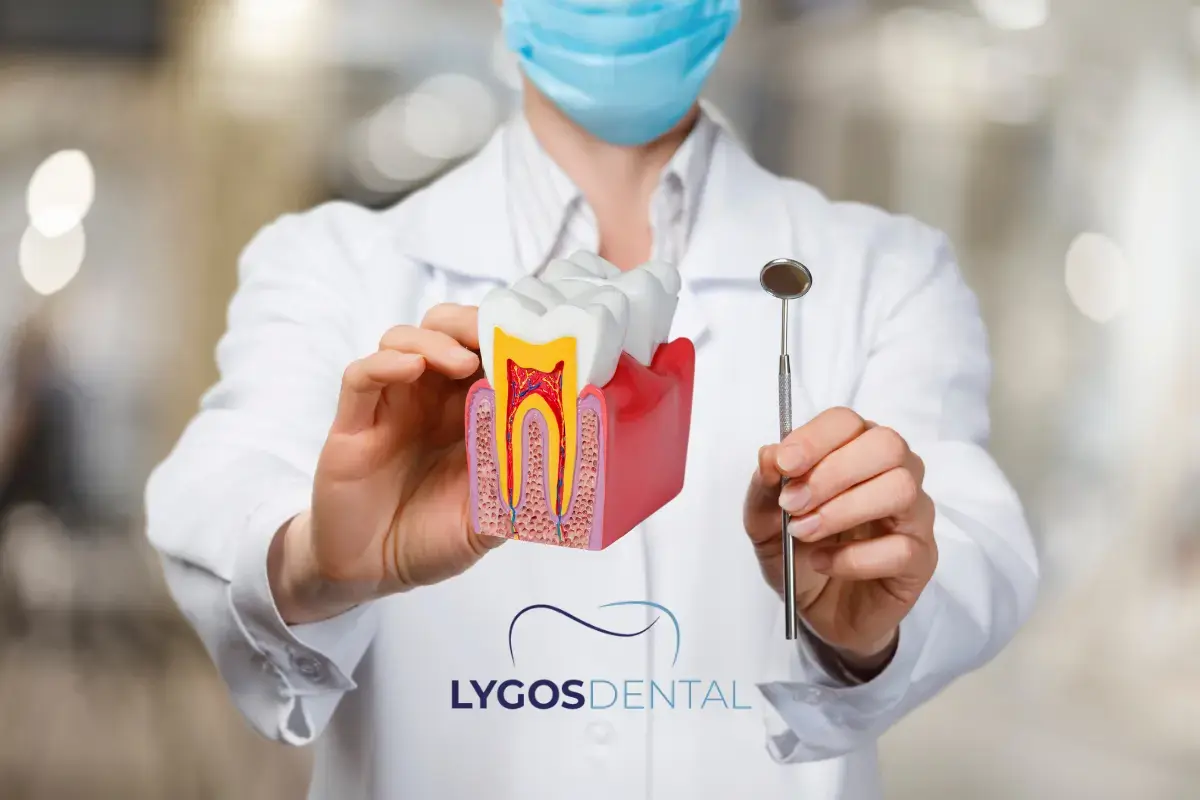
For many people, the idea of a root canal brings stress before they even sit in the dental chair. Most of that fear comes from old stories and outdated experiences. Today, root canal treatment is usually straightforward, controlled, and far more comfortable than expected. Still, one factor makes a real difference in how the experience turns out: the dentist you choose.
At Lygos Dental, patients often ask how to know if they are choosing the right dentist for this type of treatment. The answer is not always about titles or labels, but about experience, communication, and careful planning.
This guide explains what really matters when choosing a dentist for a root canal, without complicated language or unnecessary promises.
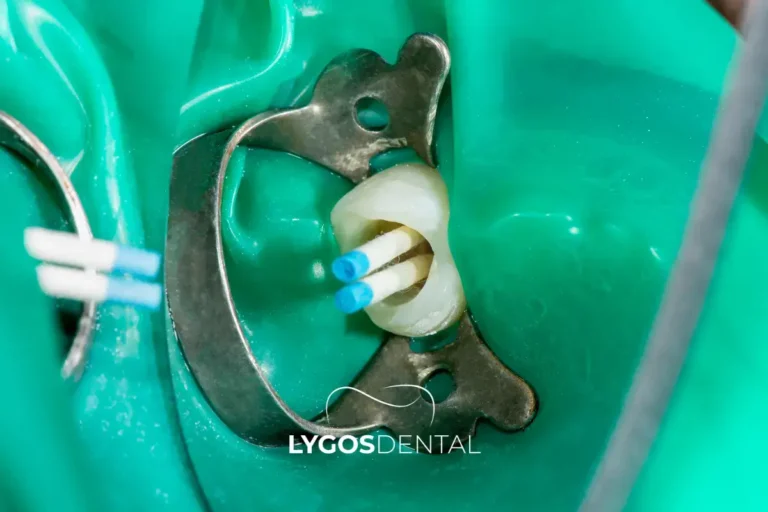
A root canal is needed when the inner part of the tooth becomes infected or irritated. This inner area contains nerves and blood vessels, which is why pain can become intense if the problem is ignored.
During treatment, the dentist removes the infected tissue, cleans the inside of the tooth, and seals it to stop bacteria from returning. When done properly, the pain caused by infection is relieved, and the natural tooth is preserved.
The key word here is properly. Precision matters.
Root canals are not all the same. Some teeth have one straight canal, while others have several canals that curve and branch. The dentist must find and clean all of them.
A dentist with strong root canal experience:
Experience often matters more than speed or price.
Many general dentists perform root canals regularly and do them very well. For simple or moderate cases, this is often enough. However, some situations require extra attention.
A dentist may suggest a specialist if:
This decision is about doing what is best for the tooth, not passing responsibility.
Modern root canal treatment relies heavily on accurate tools. A well-equipped clinic should use:
Better tools don’t just improve success rates; they also make the appointment more comfortable for the patient.
A good dentist doesn’t rush explanations. They take time to explain:
If you feel confused or pressured, that’s a sign to pause and ask more questions. Comfort begins with understanding.
One of the biggest fears around root canals is pain. In reality, modern anesthesia usually makes the procedure comfortable. What matters is how carefully the dentist applies it and how well they monitor you during treatment.
A good dentist will:
Pain during a root canal is not something you should “just tolerate.”
You can contact us here to learn more about Cosmetic Dentistry, Dental Crown, Dental Implant and General Dentistry to make an appointment and to get information about our services.
Istanbul is the most common choice. It has the widest selection of experienced dentists and clinics that regularly work with international patients.
Look beyond price. Check dentist qualifications, patient reviews, and how clearly the clinic communicates before treatment starts.
Yes. Many are highly experienced, especially in cosmetic and restorative dentistry. Large patient volume builds strong practical skills.
Prices depend on the treatment, but costs are often much lower than in the UK or Europe, sometimes by more than half.
It refers to how many veneers are used. Four focus on the front teeth, eight cover the visible smile, and ten create a wider smile line.

Special Note:
Our treatments are provided by healthcare facilities that possess a health tourism authorization certificate
Special Note: Our treatments are provided by healthcare facilities that possess a health tourism authorization certificate
Selenium Retro, Ataköy 7-8-9-10. Kısım, D-100 Güney Yanyolu No:18/A, 34158 Bakırköy/İstanbul
© 2025, LYGOS DENTAL. All Rights Reserved.