
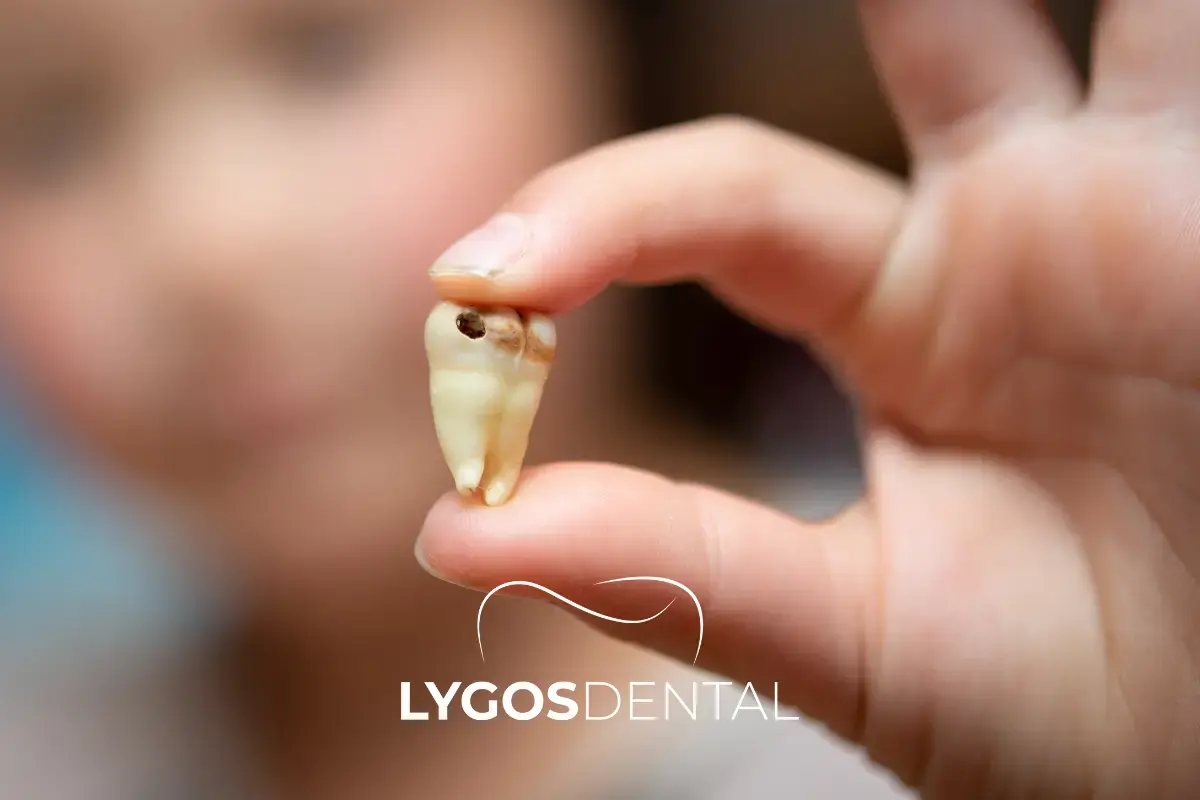
A tooth extraction is usually recommended only when there is no other safe way to save the tooth. When a severely decayed, infected, or damaged tooth is not removed in time, the problem can slowly spread to the gums, jawbone, and even other areas of the body.
Many people delay extraction because the pain comes and goes, but untreated infections almost always lead to more complicated and more painful issues later.
In this guide, you’ll learn what happens when a needed extraction is postponed, how untreated tooth decay can harm your health, and why replacing a lost tooth matters just as much as removing it.
Dentists always try to preserve natural teeth. However, extraction becomes unavoidable in cases such as:
When the tooth can no longer be restored safely, removing it prevents the infection from spreading and protects the rest of the mouth.

Bacteria from an untreated tooth can spread into the gums, jawbone, and surrounding tissues. What starts as a small infection may turn into a large facial swelling or a painful dental abscess that requires emergency treatment.
A damaged or infected tooth rarely gets better on its own. The nerve becomes increasingly irritated, leading to constant throbbing, pressure, and sensitivity. The pain may radiate to the ear, jaw, or head.
Untreated infections attack not only the tooth but also the bone supporting it. As the bone weakens and shrinks, the tooth becomes loose. In severe cases, it may fall out on its own, creating additional tissue damage.
Dental infections are not limited to the mouth. When bacteria enter the bloodstream, they may contribute to health problems in other parts of the body. This is why medical professionals emphasize the importance of controlling oral infections early.
Ignoring a needed extraction does not stop the process; it only allows the problem to grow silently.
Tooth decay may seem like a local issue, but untreated decay can contribute to several health complications:
Chronic inflammation from oral bacteria affects the immune system and overall health.
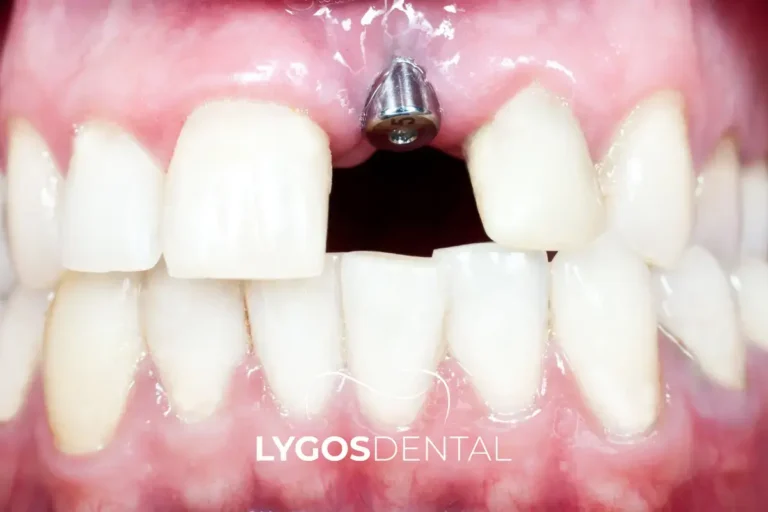
Many people assume nothing will happen if they leave the extraction space empty. Unfortunately, missing teeth have long-term consequences:
Teeth naturally move toward empty spaces. Over time, this leads to misalignment, crowding, and changes in how the upper and lower teeth fit together.
The jawbone depends on tooth roots for stimulation. Without a tooth in place, the bone in that area begins to thin and shrink, affecting facial structure and future implant options.
Missing teeth especially molars and front teeth can make chewing uneven or painful and may change the way certain sounds are pronounced.
An unbalanced bite can strain the jaw joint, causing headaches, jaw clicking, and long-term discomfort.
Replacing the missing tooth with an implant, bridge, or denture helps maintain function and prevents bone loss.
Extraction becomes necessary when:
Early diagnosis and treatment help avoid complications and preserve oral health.
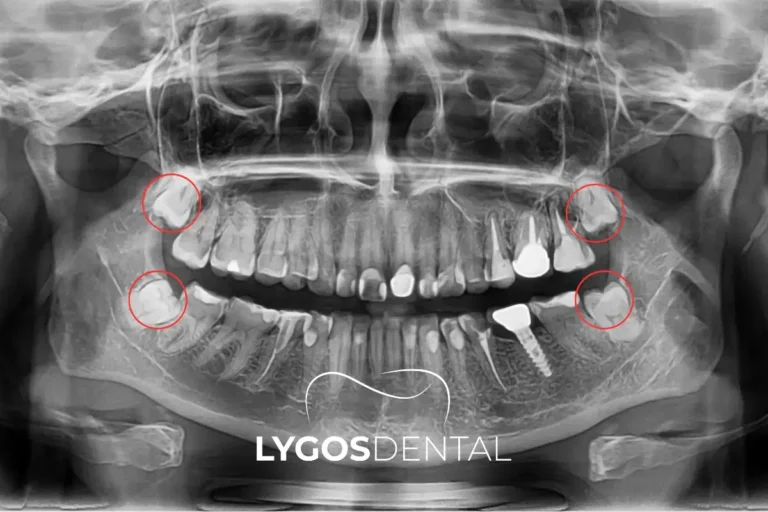
Wisdom teeth especially impacted ones are usually the hardest to remove. Their position deep in the jaw, unusual root shapes, and limited visibility make them more complex than regular extractions. Some molars with curved or multiple roots may also require advanced surgical techniques.. Early detection allows treatment before the bone weakens. Patients are also advised on hygiene, diet, and habits that support long-term bone health.
Regular check-ups are especially important for individuals with a history of gum problems, missing teeth, or orthodontic issues. With proactive care, the alveolar arch can remain strong and functional for many years.
You can contact us here to learn more about Cosmetic Dentistry, Dental Crown, Dental Implant and General Dentistry to make an appointment and to get information about our services.
The infection may spread to the gums and bone, the pain worsens, and long-term health complications can develop.
Untreated decay can contribute to sinus infections, heart inflammation, lung infections, and worsened diabetes symptoms.
Teeth shift, bone loss begins, and chewing or speaking may become more difficult over time.
A tooth may need to be removed if it can’t be repaired, is badly infected or broken, or is causing issues like impaction.
Impacted wisdom teeth are typically the most difficult because of their deep position and complex root structure.

Special Note:
Our treatments are provided by healthcare facilities that possess a health tourism authorization certificate
Special Note: Our treatments are provided by healthcare facilities that possess a health tourism authorization certificate
Selenium Retro, Ataköy 7-8-9-10. Kısım, D-100 Güney Yanyolu No:18/A, 34158 Bakırköy/İstanbul
© 2025, LYGOS DENTAL. All Rights Reserved.