
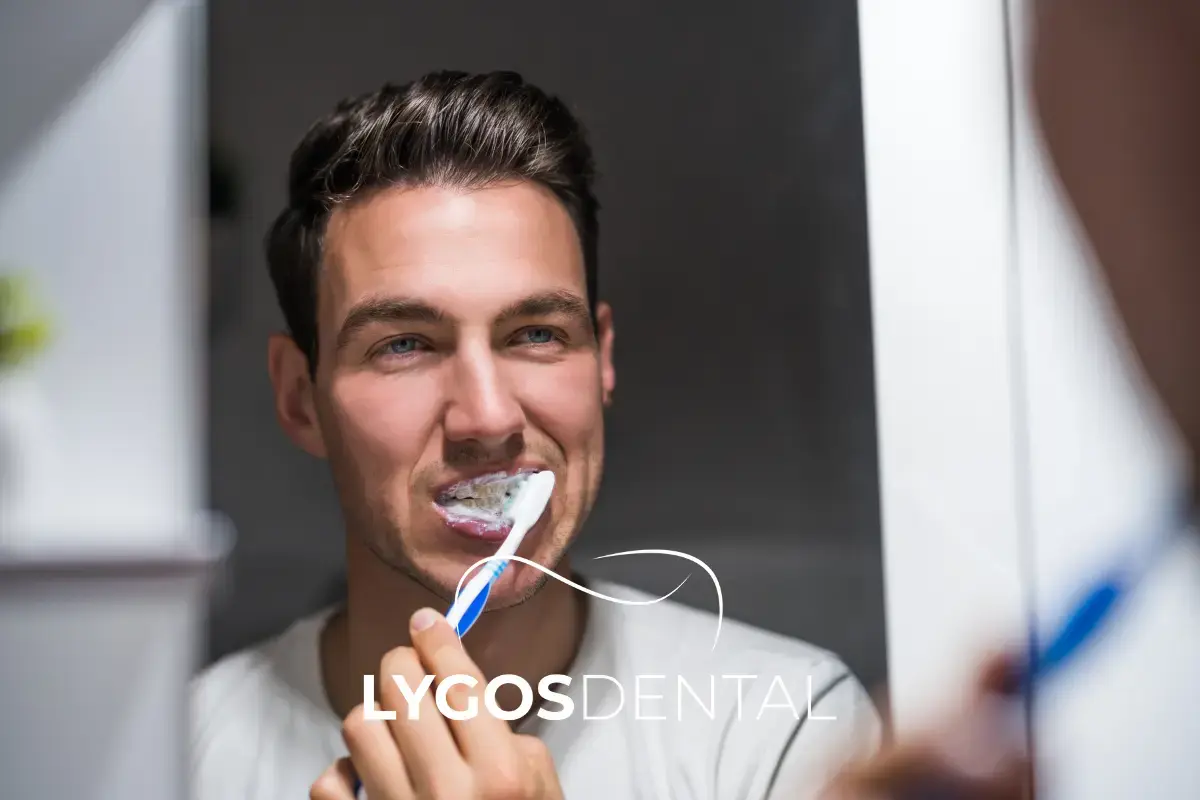
Maintaining strong, healthy teeth requires more than occasional brushing it requires the right method, timing, and consistency. One of the most effective routines recommended by dental professionals is the 3-3-3 brushing rule.
At Lygos Dental, we guide our patients toward healthier oral habits using evidence-based techniques.
The 3-3-3 rule is a straightforward guideline for proper oral care:
When practiced consistently, it helps protect enamel, prevent decay, and maintain fresh breath.

The 3-3-3 rule counteracts this by:
This method helps reduce plaque formation before it becomes tartar, which is difficult to remove without professional cleaning.
While timing is crucial, technique determines effectiveness. At Lygos Dental, we recommend the Bass Technique, known for its precision in cleaning plaque around the gumline.
Soft-bristled toothbrushes and fluoride toothpaste provide optimal cleaning while protecting the enamel.
The rule is ideal for:
However, people with gum sensitivity or enamel erosion should consult their dentist for personalized recommendations.
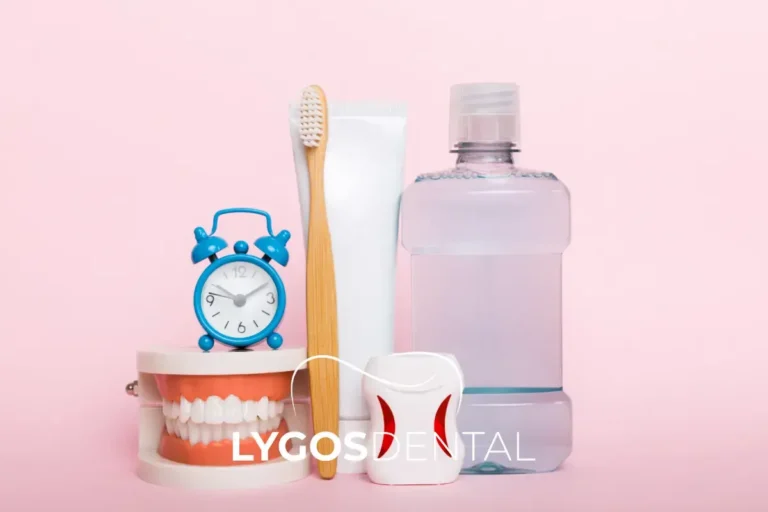
To fully protect your teeth, combine the 3-3-3 rule with these habits:
Together, these steps significantly reduce plaque, decay, and gum problems.
Shortly after eating, your mouth enters an acidic phase. This is when enamel is most vulnerable. Brushing within 3 minutes helps:
Long-term, this reduces the risk of cavities, gum recession, and sensitivity.
Many people stop after 30–40 seconds, leaving plaque behind. A disciplined routine ensures proper cleaning every time.
The right tools make the 3-3-3 rule more effective and gentle on your teeth.
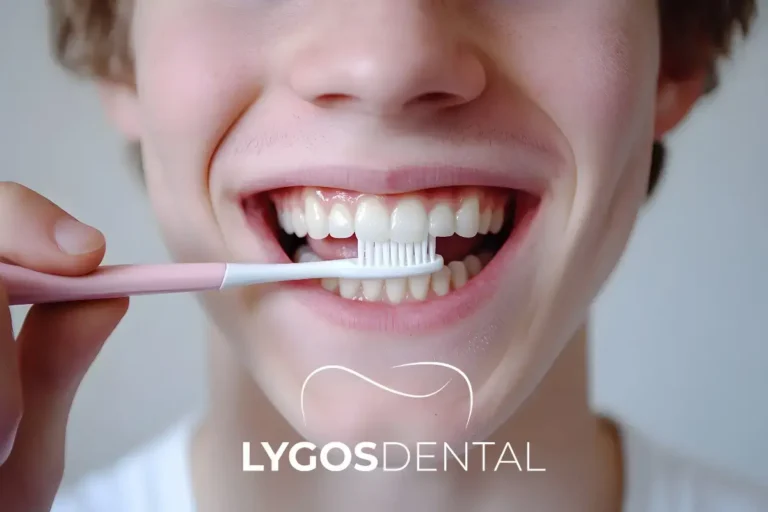
Food triggers acid release, especially carbohydrates. Bacteria break them down quickly, lowering pH levels and softening enamel.
Brushing within 3 minutes helps prevent:
If brushing is not possible, rinse your mouth with water to reduce acidity until you can clean properly.
This is the most important brushing of the day.
During sleep, your mouth is more vulnerable, so nighttime brushing prevents bacterial spikes.
Even with the 3-3-3 rule, incorrect technique can show through these signs:
If these symptoms appear, a professional cleaning and technique correction may be needed.
Even the most disciplined oral care routine should be supported with professional check-ups. At Lygos Dental, we provide:
Professional guidance ensures the 3-3-3 rule is applied safely and effectively
You can contact us here to learn more about Cosmetic Dentistry, Dental Crown, Dental Implant and General Dentistry to make an appointment and to get information about our services.
The Bass Technique is the best method.It cleans plaque effectively without damaging gums.
To use dental wax, clean your hands, dry the irritating brace or wire, pinch off a small piece of wax, roll it into a ball, and press it onto the sharp area. It should form a smooth layer over the metal, creating immediate comfort. Replace it whenever it becomes loose, dirty, or uncomfortable.
This is a myth. You must brush before bed because bacteria multiply faster during sleep.
No, it doesn’t. Morning brushing has no impact on B12 absorption or levels.
Plaque becomes tartar, gums inflame, breath smells, and cavities form quickly. Long-term damage is likely.

Special Note:
Our treatments are provided by healthcare facilities that possess a health tourism authorization certificate
Special Note: Our treatments are provided by healthcare facilities that possess a health tourism authorization certificate
Selenium Retro, Ataköy 7-8-9-10. Kısım, D-100 Güney Yanyolu No:18/A, 34158 Bakırköy/İstanbul
© 2025, LYGOS DENTAL. All Rights Reserved.