
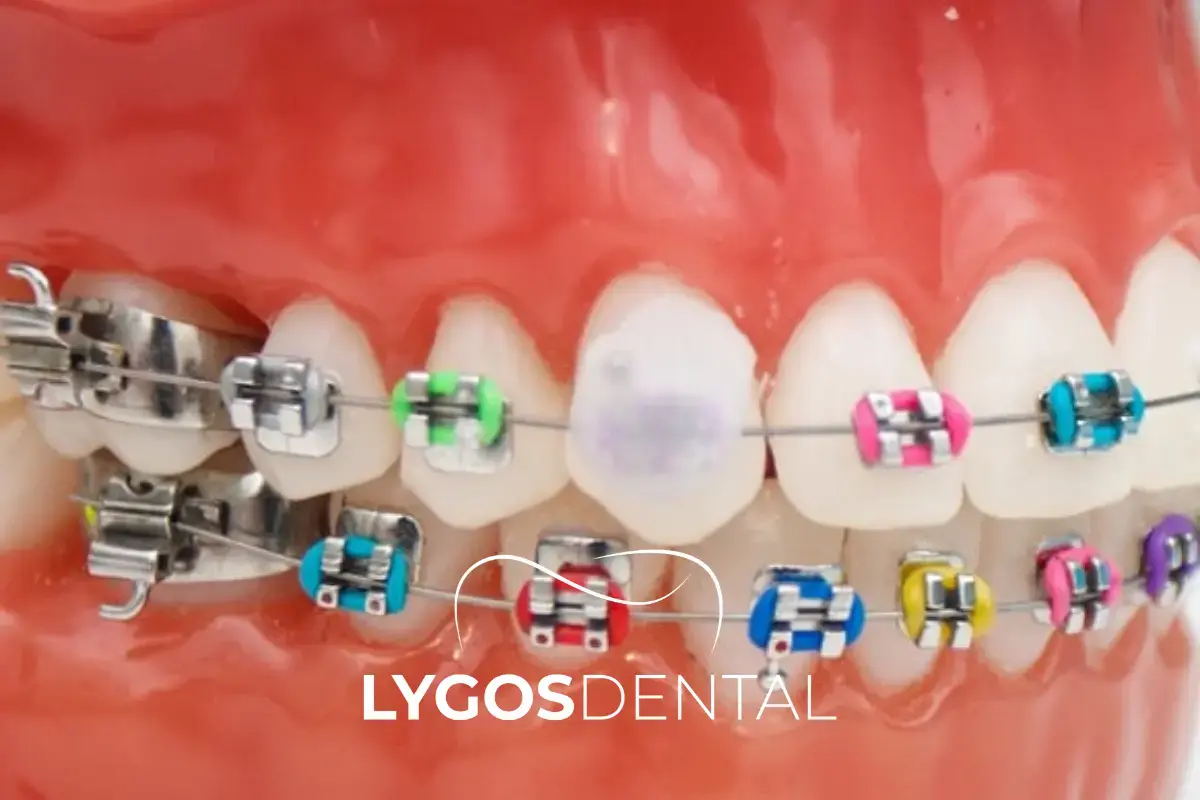
Dental wax is a soft, protective material used to reduce irritation caused by braces, wires, and other orthodontic appliances. It creates a smooth barrier between metal components and the mouth’s delicate tissues, preventing cuts, sores, and discomfort. Because it is easy to mold and safe to use, dental wax has become an essential part of orthodontic care for teens and adults.
This guide explains what dental wax is, how it works, how to apply it correctly, and when to use it. It also answers the most common questions patients ask about brushing, eating, sleeping, and safety while dental wax is in place.
Dental wax often called orthodontic wax is a soft, pliable material made from natural or synthetic waxes such as paraffin, beeswax, or carnauba wax. It is designed to temporarily cover sharp edges on braces, brackets, and wires. When applied to the areas causing irritation, the wax smooths the surface and reduces friction against the inner cheeks, lips, and gums.
Most dental waxes are clear or slightly opaque and may be flavored with mint. They soften with body heat, making them easy to shape and press onto the braces. Because the wax stays in place for several hours, it provides comfort throughout daily activities such as talking, eating, and sleeping.
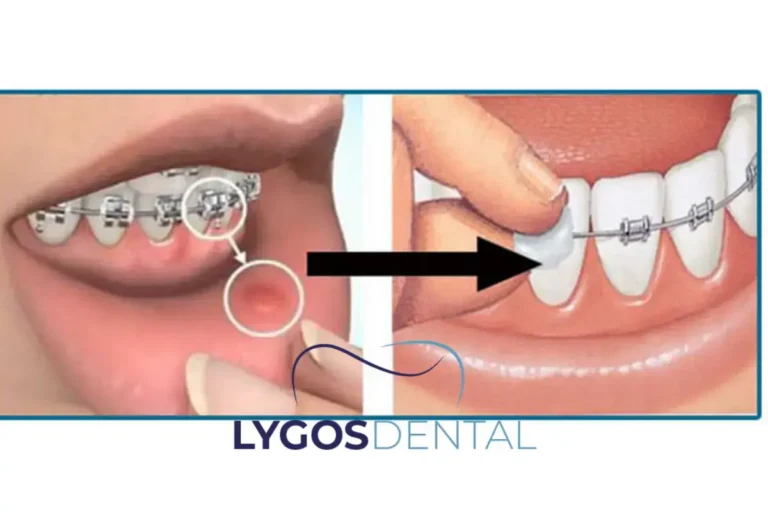
Patients experience irritation during the first few days after getting braces or after adjustments. Metal components can rub against the mouth’s lining, causing soreness or small ulcers. Dental wax creates a protective cushion over the irritating spots, giving the mouth time to heal.
Dentists also recommend dental wax when:
While dental wax does not fix the orthodontic problem itself, it prevents further damage and improves comfort until professional care is provided.

Applying dental wax is simple, but using the correct technique helps it stay firmly in place.
Clean hands prevent bacteria from entering the mouth when applying the wax.
Moisture prevents the wax from sticking. Use a tissue or cotton swab to gently dry the metal part you want to cover.
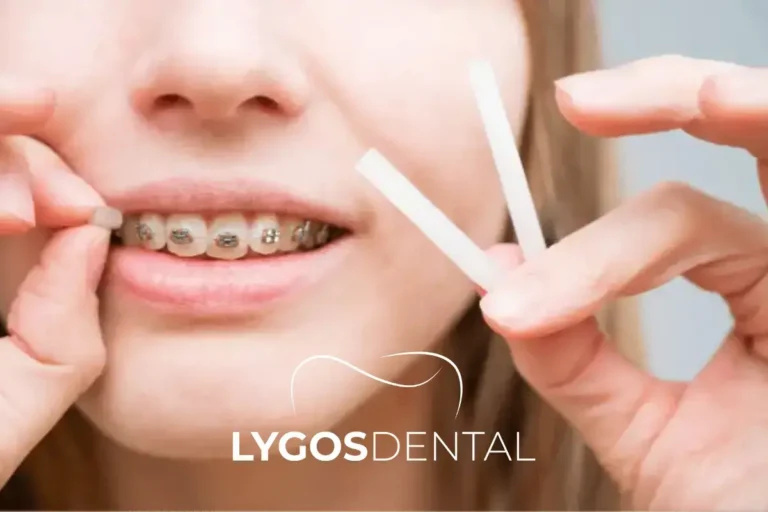
Take a pea-sized amount of wax. Too much wax may fall off, while too little may not cover the sharp edge effectively.
Warm the wax between your fingers for a few seconds until it becomes soft and pliable.
Place the wax directly onto the bracket or wire and press it until it forms a smooth shield.
Dental wax may come off during eating or brushing. Replace it whenever necessary.
Using dental wax consistently can significantly reduce irritation and speed up healing.
Dental wax offers several important advantages during orthodontic treatment:
It prevents sores caused by sharp brackets and wires.
With fewer painful spots, daily functions become easier.
By minimizing friction, it gives ulcers a chance to heal.
Even if small pieces are accidentally swallowed, the wax passes harmlessly through the system.
Dental wax comes in small cases that are easy to carry.
Many patients unknowingly reduce the effectiveness of dental wax by making these mistakes:
Avoiding these mistakes ensures better comfort and hygiene.
You can contact us here to learn more about Cosmetic Dentistry, Dental Crown, Dental Implant and General Dentistry to make an appointment and to get information about our services.
You should remove dental wax before brushing your teeth because toothpaste and water can break it down and cause it to fall off. After brushing and drying the area, you can reapply fresh wax if needed. Keeping the area clean prevents bacteria buildup and ensures the wax sticks properly.
To use dental wax, clean your hands, dry the irritating brace or wire, pinch off a small piece of wax, roll it into a ball, and press it onto the sharp area. It should form a smooth layer over the metal, creating immediate comfort. Replace it whenever it becomes loose, dirty, or uncomfortable.
Yes, you can sleep with orthodontic wax on your braces, and it is often recommended when irritation is worse at night. The wax stays in place for several hours and prevents cuts while you sleep. Even if a small piece falls off and is swallowed, it is safe and non-toxic.
Dental wax does not harm braces, teeth, or enamel. It is designed specifically for orthodontic use and is completely safe. The wax acts only as a protective layer and does not interfere with treatment. However, you should avoid leaving old or dirty wax in place for too long to maintain hygiene.
You can eat while wearing dental wax, but it may fall off or become less effective, especially when eating sticky or hot foods. Many orthodontists recommend removing the wax before meals and reapplying a fresh piece afterward. Eating with new ulcers may be easier with wax on, so choose the method that feels most comfortable.

Special Note:
Our treatments are provided by healthcare facilities that possess a health tourism authorization certificate
Special Note: Our treatments are provided by healthcare facilities that possess a health tourism authorization certificate
Selenium Retro, Ataköy 7-8-9-10. Kısım, D-100 Güney Yanyolu No:18/A, 34158 Bakırköy/İstanbul
© 2025, LYGOS DENTAL. All Rights Reserved.