
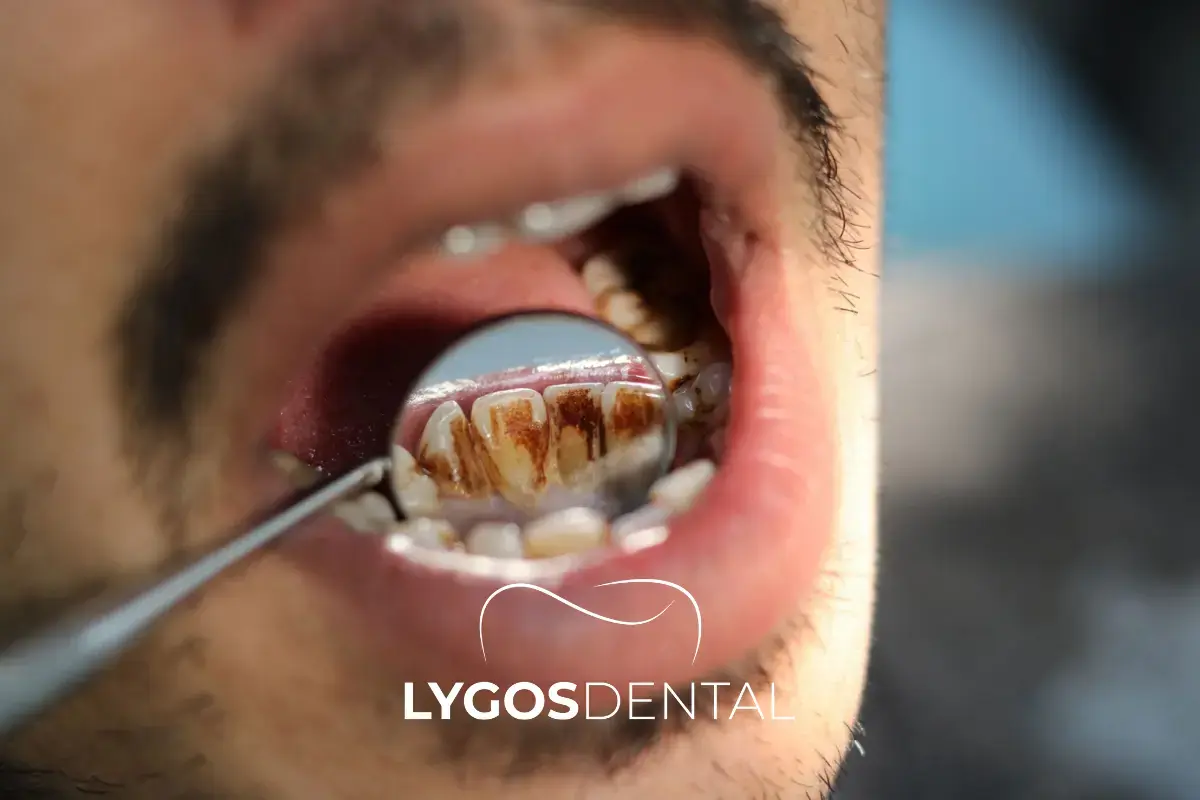
These dark streaks or thin black lines often appear near the gumline or between teeth. They can mean anything from simple stains to early dental disease. Understanding what black lines mean, why they occur, and how to treat them helps you prevent further damage and maintain a bright, healthy smile.
It covers the causes and how they look. It also explores treatment options and answers common questions about this condition.
Black lines on teeth usually indicate a buildup of staining, dental plaque, or early signs of tooth decay. In some cases, they appear because of a hard, dark tartar called black calculus. This forms when dental plaque mixes with minerals and iron from saliva.
Chromogenic bacteria, gum recession, and long-term use of staining substances can cause black lines. These substances include tea, coffee, and tobacco.
The appearance may seem harmless, but it can be an early sign of enamel breakdown or cavities. This is especially true when the line forms near the gumline. A professional examination is the best way to determine the underlying cause.
Black lines may appear because of several factors, including lifestyle habits and oral hygiene issues. The most frequent causes include:
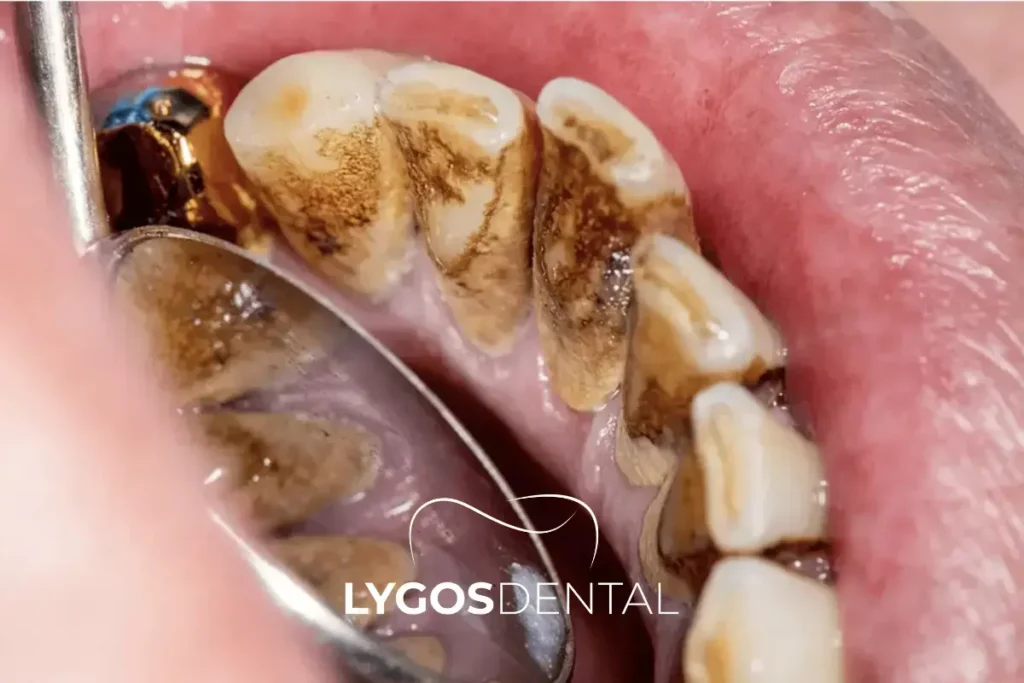
When plaque hardens into tartar, it can develop a dark or black color. This type of calculus is especially common in people who brush sporadic or floss infrequently.
Some bacteria produce pigmentation that stains the teeth, creating dark lines or streaks. This often affects children but can appear in adults as well.
Dark stains may develop in the crevices of teeth from consuming coffee, red wine, tea, and smoking.
A black line near the gumline or around an old dental filling may indicate decay. If untreated, it can progress into the deeper layers of the tooth.
When gums recede, they expose the root surface. The porous root surface can quickly pick up stains, forming a dark line at the gum margin.
Older metal-based crowns sometimes leak ions that discolor the surrounding enamel, resulting in a dark line.
The appearance of black lines can vary depending on the cause:
Thin black border along the gumline: Often caused by tartar or staining.
Dark streaks between teeth: Usually linked to plaque retention or chromogenic bacteria.
Small dark spot that expands over time: Signals possible decay.
Dark line around a crown: May indicate aging dental work.
Most cases do not hurt. However, if there is decay or gum disease, you may have symptoms. These can include sensitivity, bleeding gums, or bad breath.

The correct treatment depends on the underlying cause. Dental professionals use the following methods:
A dental cleaning removes plaque, tartar, and surface stains. This is the most common and effective treatment for black calculus and staining.
A gentle stream of air, water, and fine powder removes tough stains from grooves and tooth surfaces, restoring natural brightness.
Professional whitening treatments lighten deep stains that cannot be removed with cleaning alone.
If tooth decay causes the black line, the dentist removes the decay and restores the tooth filling.
Old or metal-based crowns causing dark lines can be replaced with modern all-ceramic restorations.
If black lines result from gum recession or infection, dental therapy helps restore gum health.

Preventive care is essential to avoid recurrence. Dentists recommend:
Maintaining consistent oral hygiene is the best long-term solution.
You can contact us here to learn more about Cosmetic Dentistry, Dental Crown, Dental Implant and General Dentistry to make an appointment and to get information about our services.
Professional dental cleaning usually cures black lines by removing tartar and surface stains. If caused by decay, the dentist treats the cavity and restores the tooth. You can use whitening or air polishing for persistent stains. Correct diagnosis determines the best treatment.
Scaling, polishing, and sometimes whitening remove black streaks. When streaks result from bacteria or plaque, a dental cleaning is enough. If decay causes the issue, someone must restore the area with a filling or similar treatment.
A black line may mean stain buildup, tartar, chromogenic bacteria, or early tooth decay. It can also form around old dental restorations. A dental examination helps identify the exact cause.
Yes, professional cleaning or whitening can remove most black lines. If decay or a faulty restoration creates the line, the patient requires dental treatment. Modern techniques make removal effective and minimally invasive.
Taking anti-microbial medications cannot treat gum disease on their own, but they can help treat gum infections. They reduce bacteria, but proper cleaning, scaling, and improved oral care are necessary for full recovery. Dentists prescribe antiseptic medications only in certain cases.

Special Note:
Our treatments are provided by healthcare facilities that possess a health tourism authorization certificate
Special Note: Our treatments are provided by healthcare facilities that possess a health tourism authorization certificate
Selenium Retro, Ataköy 7-8-9-10. Kısım, D-100 Güney Yanyolu No:18/A, 34158 Bakırköy/İstanbul
© 2025, LYGOS DENTAL. All Rights Reserved.