
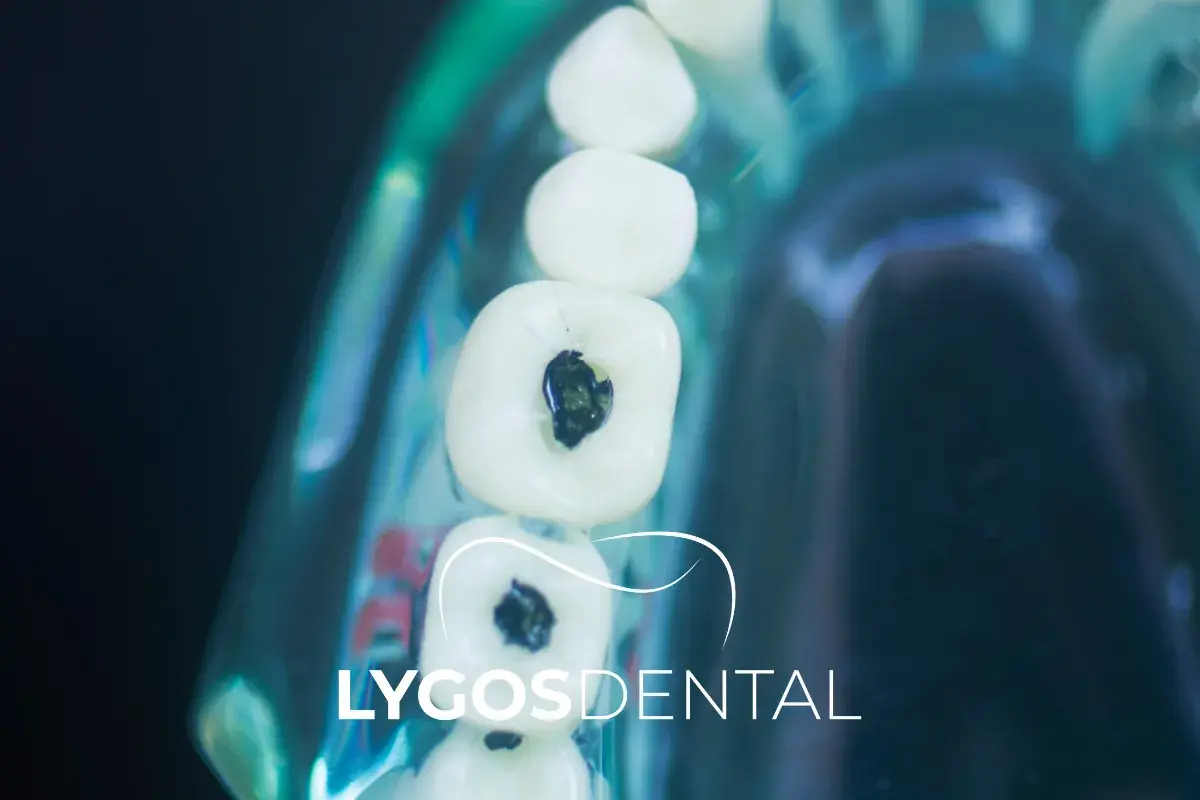
This is a common concern. The short answer is: Yes, untreated cavities can raise the risk of heart problems. This happens because oral bacteria can enter the bloodstream and cause inflammation. Understanding this connection helps you protect both your smile and your overall health.
A cavity forms when bacteria damage the enamel, creating an opening inside the tooth. As decay progresses, bacteria multiply and may reach deeper layers. If the infection spreads, it can eventually enter the bloodstream through gum tissues.
Once oral bacteria enter circulation, they can contribute to inflammation in blood vessels, increasing stress on the vascular system. Studies suggest these bacteria may even promote plaque formation inside arteries.

Researchers connect some oral bacteria to chronic inflammation. This inflammation is a known risk factor for heart disease, stroke, and other heart problems.
When bacteria from an infected tooth enter the bloodstream, they can stick to damaged heart tissue. This may lead to heart disease, which is a serious condition.
Cavities often occur alongside gingivitis or gingivitis, as well. Gum disease is strongly associated with blood circulation problems, making oral hygiene even more important.Signs That a Cavity May Be Affecting Your Health
You should be cautious if you experience:
While these are primarily dental symptoms, they can escalate if bacteria spread beyond the mouth.
People with the following conditions need to be especially careful:
Maintaining strong oral hygiene and treating cavities early is key for prevention.
Here are essential steps to lower health risks:
A simple dental filling can stop bacteria from spreading and prevent complications.
Brush twice a day, floss, and use antiseptic mouthwash to reduce bacterial load.
Routine check-ups allow early detection of decay, infections, and gum disease.
Good nutrition and reduced sugar intake protect both your teeth and your heart system.
If you suspect a cavity, feel pain, or notice gum swelling, schedule an appointment as soon as possible. Early treatment prevents infection from entering the bloodstream and protects long-term heart health.
At Lygos Dental, we offer modern tests, painless treatments, and personalized care. This helps keep your oral and overall health safe.

Yes. Untreated cavities can increase the risk of heart-related issues, especially when oral bacteria enter the bloodstream. Fortunately, early dental care and good hygiene can significantly reduce these risks.
You can contact us here to learn more about Cosmetic Dentistry, Dental Crown, Dental Implant and General Dentistry to make an appointment and to get information about our services.
Researchers associate oral bacteria with increased risks of cardiac, vascular inflammation, heart attacks, and strokes.
Absolutely. Early treatment stops bacteria from spreading and reduces inflammation, helping to protect heart health.
Yes. Individuals with heart valve disease, diabetes, or weakened immune systems are more vulnerable to oral bacteria.
A single small cavity typically doesn’t cause heart disease, but untreated infections over time may increase health risks.
Keep up with your oral hygiene. Treat cavities quickly. Visit your dentist regularly to stop bacteria and help your heart health.

Special Note:
Our treatments are provided by healthcare facilities that possess a health tourism authorization certificate
Special Note: Our treatments are provided by healthcare facilities that possess a health tourism authorization certificate
Selenium Retro, Ataköy 7-8-9-10. Kısım, D-100 Güney Yanyolu No:18/A, 34158 Bakırköy/İstanbul
© 2025, LYGOS DENTAL. All Rights Reserved.