
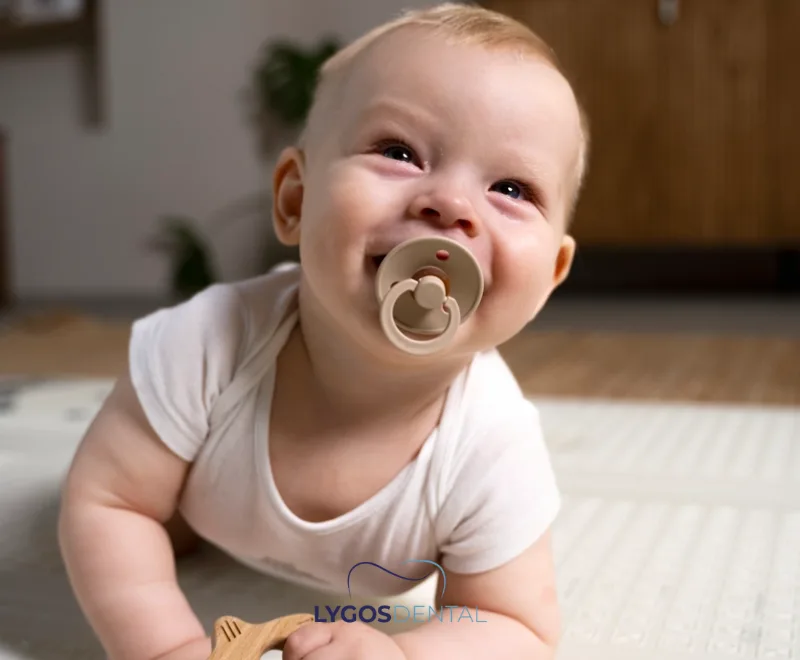
Pacifiers are one of the most commonly preferred soothing tools in baby care, and when used correctly, they offer great convenience for parents. However, many mothers and fathers wonder, “How does pacifier use affect dental development?” Since babies are born with a natural sucking reflex, a pacifier may seem like an unavoidable need at times—but prolonged or improper use can cause certain changes in the oral structure. In this article, we examine in detail the possible effects of pacifier use on dental health and share scientifically supported points that parents should pay attention to. We also approach the question “How does pacifier use affect dental development?” from different angles to guide healthy usage.
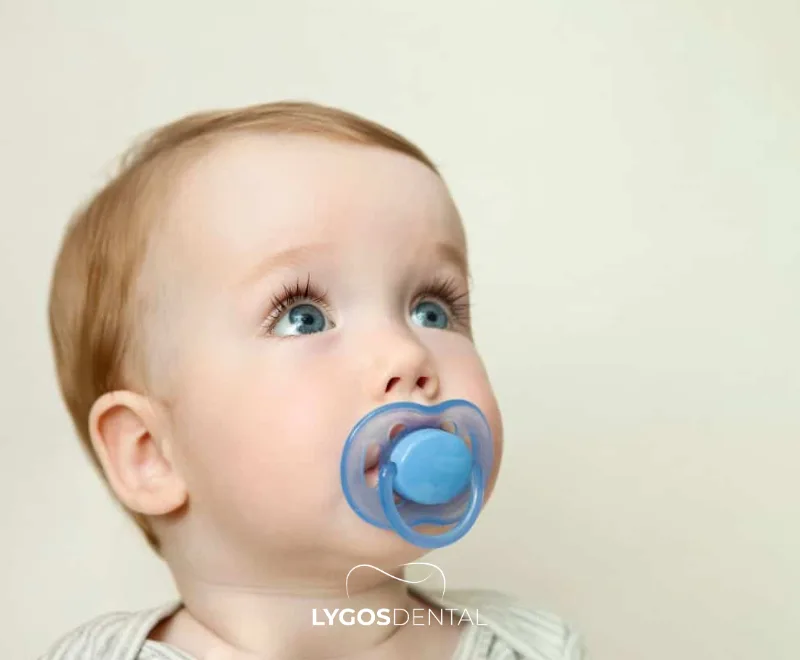
Many experts state that pacifiers used in a controlled manner up to a certain age do not cause serious problems, but prolonged use may disrupt the structure of the mouth and teeth. At this point, the frequently asked question “How does pacifier use affect dental development?” becomes important. Since the palate, jaw, and gums are still developing in babies, any external pressure can influence these structures.
Keeping the pacifier in the mouth constantly may cause changes in the alignment of the teeth. Pacifiers that are not soft enough, or those with incorrect designs, can create greater pressure and therefore more noticeable changes. This is why anatomically designed pacifiers should be preferred, considering the question “How does pacifier use affect dental development?”
Research shows that heavy pacifier use may cause upper front teeth to tilt forward in some children. This situation may require orthodontic treatment later in life. Therefore, parents must know the answer to “How does pacifier use affect dental development?” to regulate the duration and frequency of use properly.
Pacifier use may potentially lead to the following dental problems:
Most of these problems can improve when the pacifier is discontinued early. This highlights how essential it is for parents to be aware of “How does pacifier use affect dental development?”
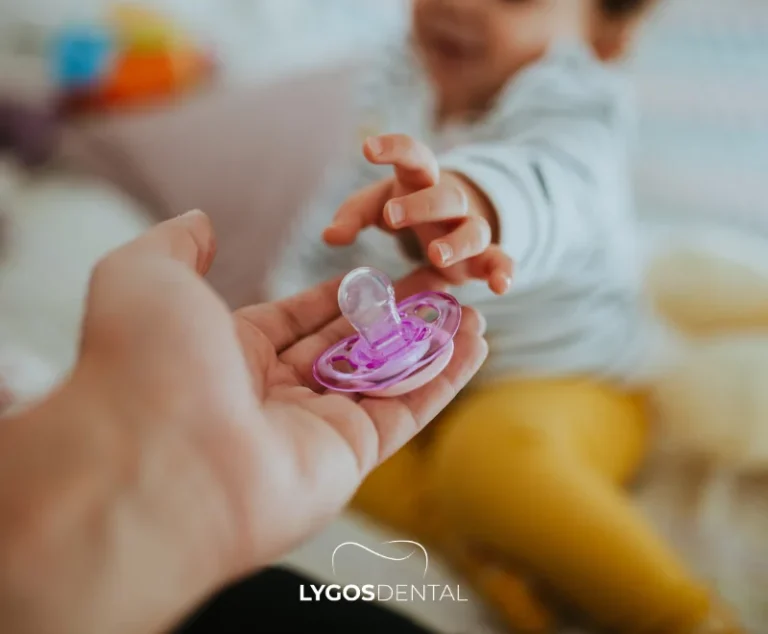
Most experts agree that pacifier use is safe during the first months after birth but should be limited after the age of 2. After this age, the shaping of teeth and jaw accelerates, making the question “How does pacifier use affect dental development?” even more important.
When a child’s emotional attachment to the pacifier is managed correctly, they can give up the habit without issues. Completely stopping pacifier use by age 3 greatly reduces the risk of permanent dental damage. Awareness of “How does pacifier use affect dental development?” protects both the child’s health and helps avoid potential future treatment costs.
Pacifier use is not entirely harmful—what matters is choosing the right product and managing usage carefully. Key points include:
These points help parents adopt an informed approach to the question “How does pacifier use affect dental development?”
Some parents view thumb-sucking as more natural while others find pacifier use more advantageous. Although both behaviors affect dental development, the key difference is control. Pacifier use can be limited and gradually stopped, but thumb-sucking is harder to manage.
If thumb-sucking continues for an extended period, problems can become more severe than those caused by pacifiers. This is why many experts believe that controlled pacifier use is preferable to thumb-sucking.
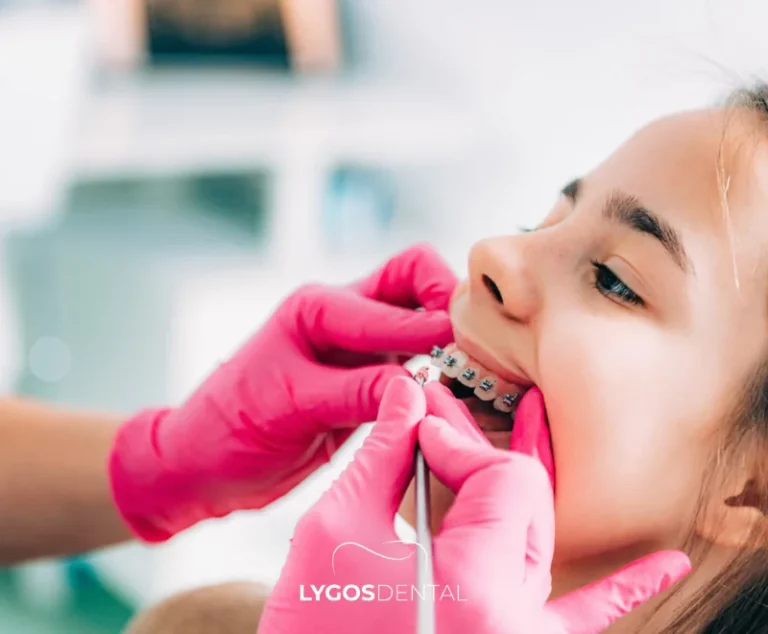
Dental problems caused by prolonged pacifier use can often be corrected with early intervention. If pacifier use stops before age 3, the jaw and teeth may realign naturally. In other cases, orthodontic treatment may be necessary.
Parental awareness of “How does pacifier use affect dental development?” helps ensure early diagnosis and timely treatment.
A pacifier can be a soothing tool for babies when used correctly. However, prolonged or uncontrolled use may lead to various dental and jaw development issues. For this reason, it is crucial for parents to understand the answers to “How does pacifier use affect dental development?” to ensure healthy development and prevent future problems.
You can contact us here to learn more about Cosmetic Dentistry, Dental Crown, Dental Implant and General Dentistry to make an appointment and to get information about our services.
Not when chosen correctly and not overused. Pacifiers can help some babies calm down and fall asleep. However, prolonged use can affect dental structure, so moderation is important.
Orthodontic, palate-friendly, BPA-free pacifiers are considered safer for dental development because they distribute pressure more evenly.
Experts generally recommend reducing pacifier use after age 2 and stopping completely before age 3. After this period, the risk of dental problems increases.
Yes. If pacifier use is stopped early, some issues can correct themselves. In more advanced cases, plates or orthodontic treatments may be required.
Thumb-sucking is considered more harmful because it usually lasts longer and is harder to control. Pacifier use can be limited more easily by parents.

Special Note:
Our treatments are provided by healthcare facilities that possess a health tourism authorization certificate
Special Note: Our treatments are provided by healthcare facilities that possess a health tourism authorization certificate
Selenium Retro, Ataköy 7-8-9-10. Kısım, D-100 Güney Yanyolu No:18/A, 34158 Bakırköy/İstanbul
© 2025, LYGOS DENTAL. All Rights Reserved.