
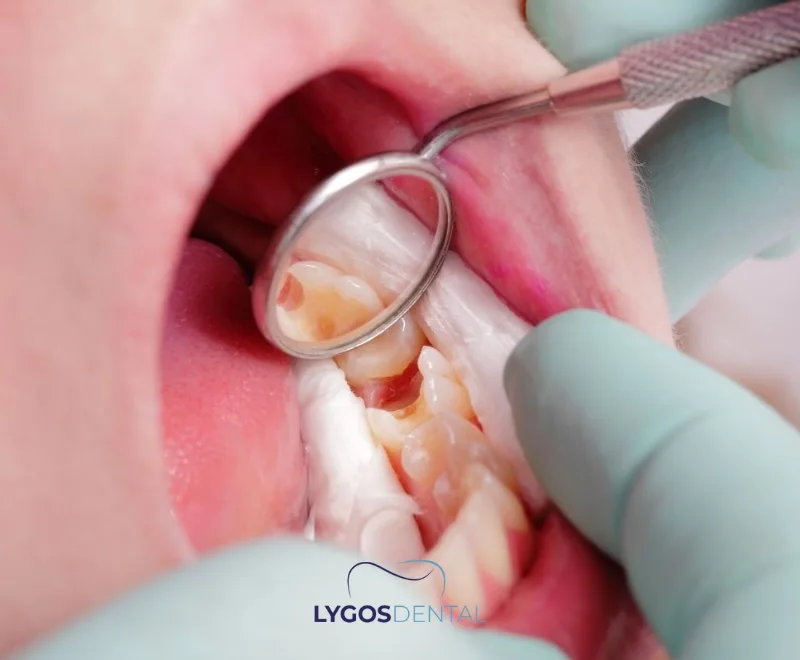
Oral health is extremely important for overall health. Untreated cavities and broken teeth can cause both pain and aesthetic issues. Dental fillings are a common method to treat such problems. However, if a filling suddenly falls out, it can be alarming. So, what to do if a dental filling falls out? In this article, we will examine the reasons fillings fall out, what steps to take, temporary home solutions, and preventive measures.
There are several reasons why a dental filling might come loose. Knowing these can help address the problem effectively:
Insufficient Filling Placement: If the filling wasn’t tightly secured, it may loosen and fall out over time.
Excessive Pressure and Chewing: Hard foods and teeth grinding (bruxism) put extra stress on fillings.
Cavities or Tooth Damage: New decay around the filled tooth or a fracture can cause the filling to fall out.
Aging and Wear: Fillings have a limited lifespan. Composite fillings usually last 5–10 years, while amalgam fillings last 10–15 years.
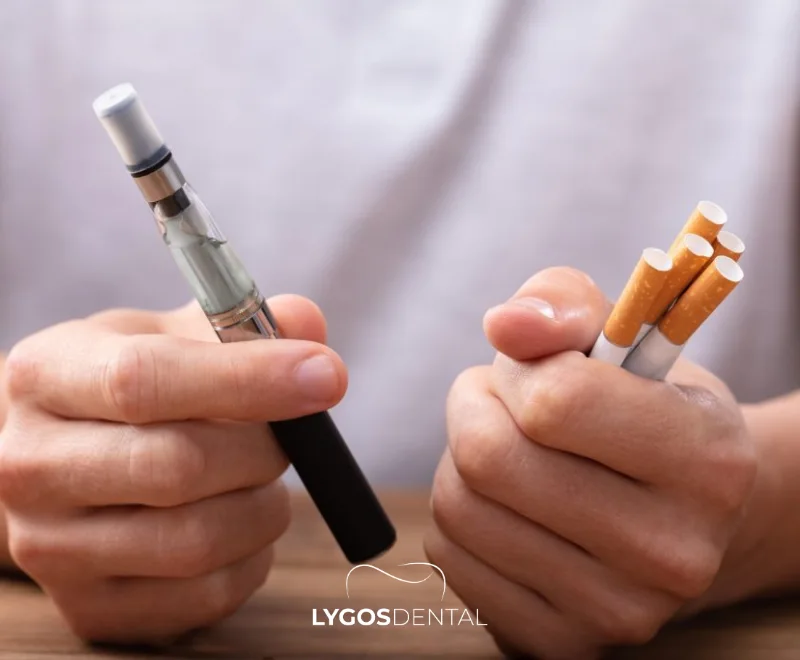
Chemical Effects: Smoking, acidic drinks, and certain toothpastes can weaken the adhesion of fillings.
Understanding the reason behind the fallen filling helps determine the correct solution.
If a dental filling falls out, it’s important to stay calm and take the following steps:
Save the Filling: If the filling came out intact, keep it in a clean container. In some cases, the dentist may be able to reuse it.
Clean the Tooth: Gently brush the affected tooth, taking care not to damage the gums.
Check for Pain or Sensitivity: The exposed tooth may be sensitive to hot, cold, or sweet foods. Over-the-counter pain relievers can help temporarily.
Avoid Using the Tooth: Don’t apply pressure to the affected tooth and avoid hard foods.
Temporary Filling Material: Over-the-counter temporary dental filling kits can protect the tooth.
Understanding the reason behind the fallen filling helps determine the correct solution.

You can also use temporary measures at home to protect the tooth and relieve discomfort:
Temporary Filling Compounds: Available at pharmacies to fill the exposed cavity.
Saltwater Rinse: Gargling with saltwater several times a day can reduce sensitivity and infection risk.
Soft Foods: Avoid hard or sticky foods to prevent further damage.
Oral Hygiene: Gently clean the surrounding teeth and use dental floss to minimize infection risk.
Pain Management: Avoid very hot or cold foods; over-the-counter pain relievers can help.
These measures are temporary and do not replace professional dental care.
The most critical step after a filling falls out is timely dental care. See a dentist immediately if:
There is pain or sensitivity.
A cavity or gap is visible where the filling fell out.
The gums near the affected tooth are swollen, irritated, or bleeding.
Aesthetic concerns arise, especially if a front tooth is involved.
A dentist will evaluate the situation and provide the best treatment plan. Early intervention makes it easier to restore the filling.
Depending on the condition of the tooth and filling, your dentist may recommend:
Reusing the Old Filling: If the filling is intact, it may sometimes be reinserted.
New Filling: If the old filling can’t be reused, the tooth will be cleaned and a new filling applied. Composite or amalgam fillings may be used.
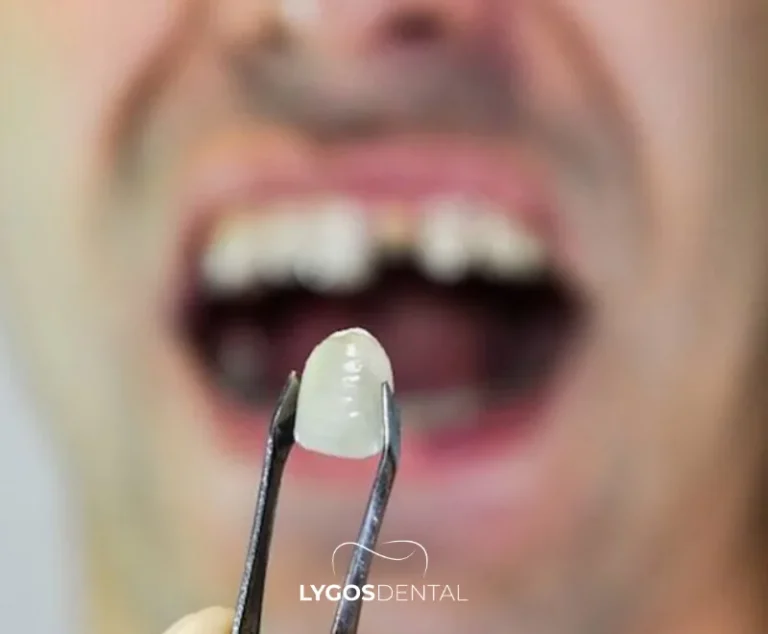
Crown or Cap: If the tooth is severely damaged, a crown may be necessary, especially for front teeth.
Tooth Extraction: In rare cases where the tooth is beyond repair, extraction may be required.
The dentist will choose the most suitable method based on the tooth’s condition and the extent of decay.
To reduce the risk of fillings falling out:
These measures extend the life of fillings and reduce the likelihood of a filling falling out.
A dental filling falling out is usually not an emergency, but it should not be ignored. The best approach is to stay calm, save the filling, use temporary protection if needed, and see a dentist promptly. Regular dental checkups and proper oral hygiene help maintain filling longevity and reduce the risk of tooth loss.
Remember, a fallen filling is just the start—taking the right steps can protect your oral health.
You can contact us here to learn more about Cosmetic Dentistry, Dental Crown, Dental Implant and General Dentistry to make an appointment and to get information about our services.
Fillings can fall out due to decay, tooth damage, improper placement, hard foods, aging, teeth grinding, or chemical effects.
Stay calm, save the filling, clean the tooth gently, avoid hard foods, use temporary filling material, and see a dentist.
Yes, the exposed tooth may be sensitive to hot, cold, or sweet foods. Pain can be managed temporarily with saltwater rinses and over-the-counter pain relievers.
Yes, temporary filling kits can protect the tooth briefly, but professional dental treatment is required.
Yes, leaving the tooth exposed increases the risk of decay or fracture. See a dentist as soon as possible.

Special Note:
Our treatments are provided by healthcare facilities that possess a health tourism authorization certificate
Special Note: Our treatments are provided by healthcare facilities that possess a health tourism authorization certificate
Selenium Retro, Ataköy 7-8-9-10. Kısım, D-100 Güney Yanyolu No:18/A, 34158 Bakırköy/İstanbul
© 2025, LYGOS DENTAL. All Rights Reserved.