
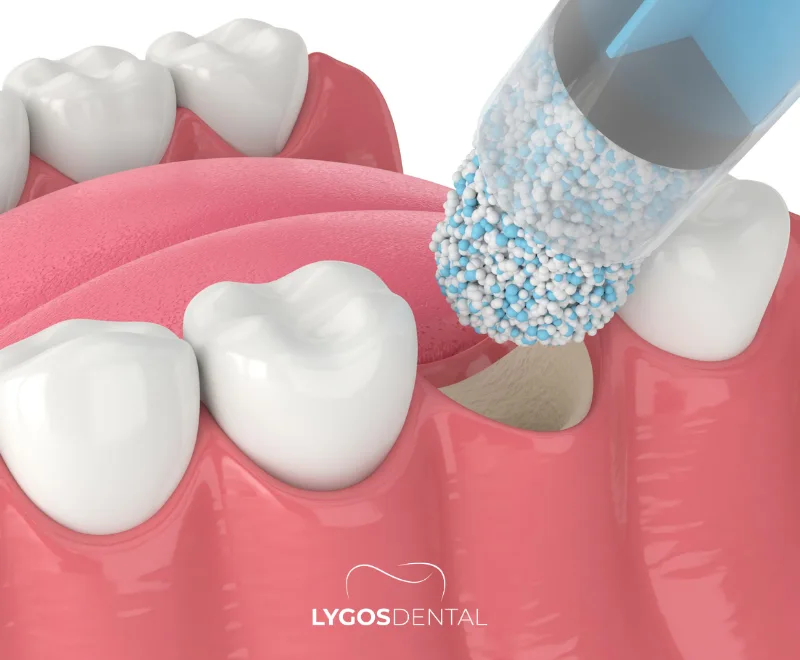
Today, one of the most innovative fields in medical science—stem cell technology—is leading groundbreaking developments in dentistry as well. The use of stem cells in dental treatments has produced promising results in many areas, such as repairing damaged tissues, treating gum diseases, and even regenerating new teeth. In this article, we will examine in detail how stem cells are revolutionizing dental health, the methods through which they are used, and what the future may hold.
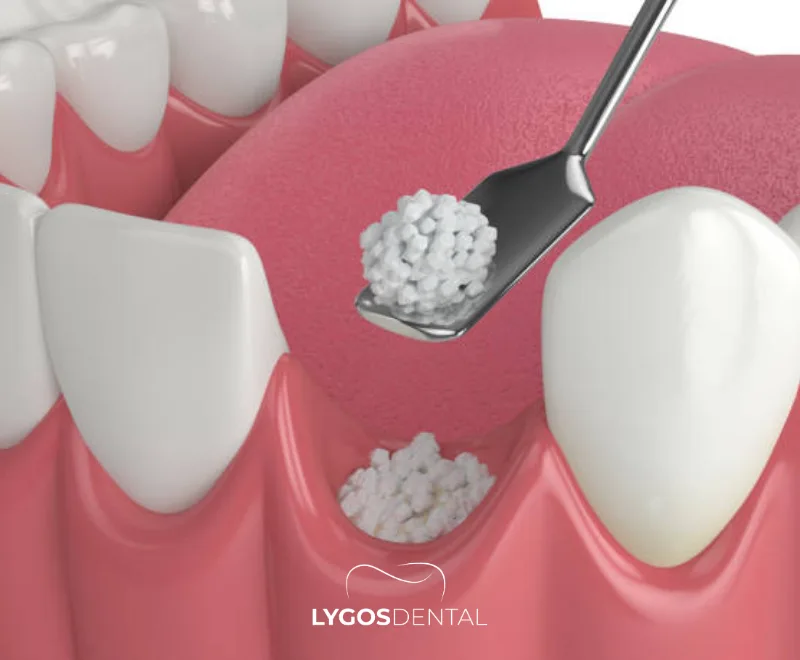
Stem cells are special cells capable of transforming into different types of cells in the body. They play a major role in the repair and regeneration of damaged tissues. The use of stem cells in dental treatments aims to naturally regenerate dental tissues by utilizing this regenerative feature.
Structures such as tooth roots, pulp (the tooth’s inner tissue), periodontal ligament (the connective tissue surrounding the tooth), and dentin can each be regenerated by specific types of stem cells. Scientists collect stem cells from baby teeth, gums, or bone marrow, multiply them in a laboratory, and transfer them to the damaged area. In this way, the tooth’s own tissue can be regenerated.
In short, using stem cells in dental treatments goes beyond traditional filling or implant methods by offering a biological healing process.
The use of stem cell technology in dentistry has gained great momentum over the past 20 years. In the early 2000s, initial research revealed that pulp tissue from baby teeth was rich in stem cells. This discovery marked a turning point for the use of stem cells in dental treatments.
While at first, stem cells could only be studied in laboratory environments, today they can be safely applied in clinical settings. Clinical trials in the treatment of gum diseases, root-end repair, and jawbone regeneration have shown successful results.
With advances in digital imaging, tissue engineering, and biomaterial technology, stem cell therapies have become more controlled and effective. Especially through biocompatible scaffold materials, it has become easier for stem cells to adhere to the target area and generate new tissue.
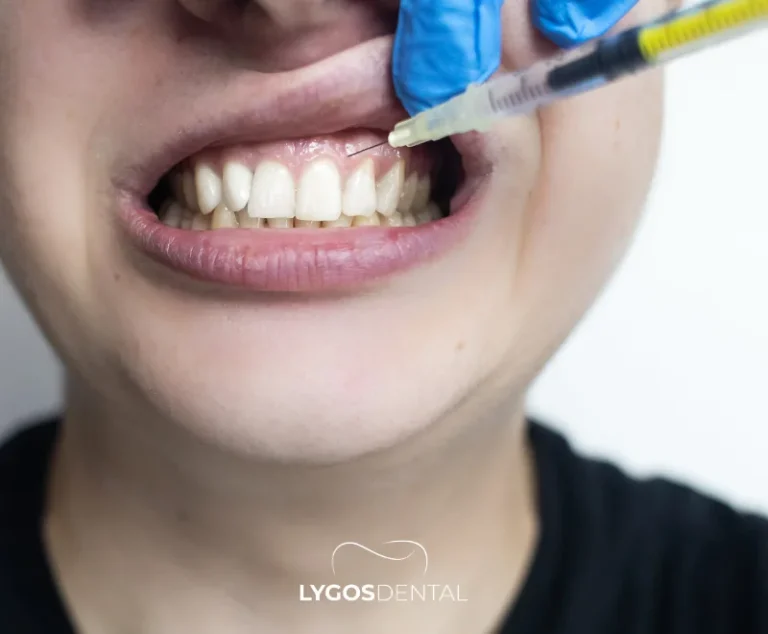
Gum diseases are one of the leading causes of tooth loss. Traditional treatments can often stop the progression of the disease but cannot restore lost tissue. This is where the use of stem cells in dental treatments comes into play, triggering natural regeneration.
Stem cells injected into the gum or around the tooth root generate new cells that help the tissue repair itself. The periodontal ligament—the connective tissue surrounding the tooth—can also be reshaped in this way. Some studies have shown that stem cells applied to damaged areas of the tooth root can form new dentin tissue within a short time.
This method is particularly effective in advanced cases of gum recession or root surface resorption. In other words, the use of stem cells in dental treatments not only reduces pain but also has the potential to rebuild lost tissues.
One of the most intriguing questions among scientists is: “Is it possible to grow a new tooth from stem cells?” Ongoing research is making progress toward this goal. In laboratory experiments, scientists have successfully generated tooth bud-like structures from stem cells. These structures have later developed into actual tooth tissue in animal models.
These findings suggest that, in the future, missing teeth could be completely regenerated naturally. Although this technology is not yet ready for routine clinical use, experts predict that stem cell–based tooth regeneration could become possible within the next 10–20 years.
The use of stem cells in dental treatments forms the cornerstone of this vision, as current research shows that with proper cellular guidance, a full tooth structure—from enamel to root—could be developed.
Nevertheless, current findings indicate that the use of stem cells in dental treatments could become a standard method in future dentistry.
In recent years, Turkey has made significant progress in health tourism. It has become a global destination for aesthetic dentistry, implantology, and periodontal surgery. Alongside these developments, the use of stem cells in dental treatments is also becoming increasingly common in Turkey.
Several universities and private dental hospitals are conducting studies on collecting stem cells from baby teeth and reproducing them in laboratories. In addition, some clinics are supporting tissue regeneration using growth factors similar to stem cells (such as PRF and PRP) derived from the patient’s own blood.
The Ministry of Health’s biotechnology regulations ensure that these treatments are performed ethically and safely. In the coming years, Turkey is expected not only to meet but even exceed European standards in the use of stem cells for dental treatments.
The use of stem cells in dental treatments marks the beginning of a new era in dentistry. Offering natural, lasting, and biologically compatible solutions, this technology is creating a revolution in oral health—both aesthetically and functionally.
You can contact us here to learn more about Cosmetic Dentistry, Dental Crown, Dental Implant and General Dentistry to make an appointment and to get information about our services.
It is the process of repairing damaged tooth or gum tissues using the body’s own regenerative cells. Through this method, the tooth root, pulp, and surrounding tissues can naturally regenerate with the help of stem cells.
Stem cell therapy can be used for gum recession, root-end infections, pulp damage, jawbone loss, and cases at risk of tooth loss. It is especially promising in treating advanced periodontal diseases.
No. Stem cell treatments in dentistry are usually performed under local anesthesia, and post-procedure pain is minimal. Due to the natural anti-inflammatory properties of stem cells, recovery is more comfortable than with conventional surgical methods.
Currently, tooth-like structures have been produced from stem cells in laboratory environments, but full clinical regeneration of a complete tooth is not yet routine. However, scientists predict that in the coming years, the use of stem cells in dental treatments may enable natural tooth regeneration.

Special Note:
Our treatments are provided by healthcare facilities that possess a health tourism authorization certificate
Special Note: Our treatments are provided by healthcare facilities that possess a health tourism authorization certificate
Selenium Retro, Ataköy 7-8-9-10. Kısım, D-100 Güney Yanyolu No:18/A, 34158 Bakırköy/İstanbul
© 2025, LYGOS DENTAL. All Rights Reserved.