

The concept of aesthetics varies greatly from one culture to another. From the shape of a smile to the shade of tooth color, many factors reflect a society’s perception of beauty. In this article, we will take an in-depth look at Aesthetic Practices in Dentistry Across Different Cultures. How is aesthetic dentistry perceived in different parts of the world? Which traditional practices have inspired modern aesthetic treatments? We will explore the answers to these questions in detail.
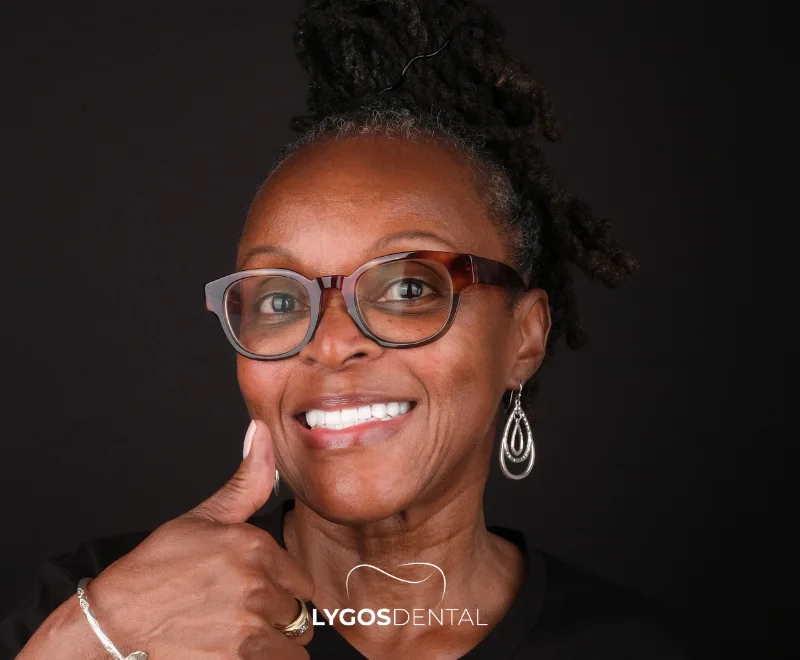
Aesthetic dentistry is a branch of dentistry that focuses not only on oral health but also on the visual appeal of the smile. Elements such as color, shape, alignment, gum form, and facial proportions form the foundation of this field. While the concept of the “perfect smile” has gained importance in the modern world, Aesthetic Practices in Dentistry Across Different Cultures reveal how this perfection is defined differently depending on cultural values.
Aesthetic dentistry includes treatments such as porcelain veneers, teeth whitening, implants, and gum aesthetics. However, throughout history and across various societies, the meaning given to dental aesthetics has been much deeper. In some cultures, white teeth symbolize elegance, while in others, blackened or filed teeth have represented beauty. This diversity clearly shows why Aesthetic Practices in Dentistry Across Different Cultures is such a fascinating topic.
In the Western world, aesthetic dentistry is often associated with the “Hollywood smile.” Bright, symmetrical, and white teeth are considered symbols of health, success, and confidence. In America and Europe, aesthetic dental treatments such as whitening, zirconium veneers, and alignment correction are widespread.
Since the 1950s, influenced by the film industry, the “perfect smile” has become a status symbol. Today, when people refer to Aesthetic Practices in Dentistry Across Different Cultures, Western trends are often used as a reference point. Innovations such as Invisalign (clear aligner treatment), laser whitening, and digital smile design are products of this modern Western aesthetic understanding.
In the West, aesthetic dental practices are not only about appearance; they are also believed to reflect one’s character, confidence, and social status. Therefore, aesthetic dentistry in Western culture is not merely a medical procedure but also a lifestyle.
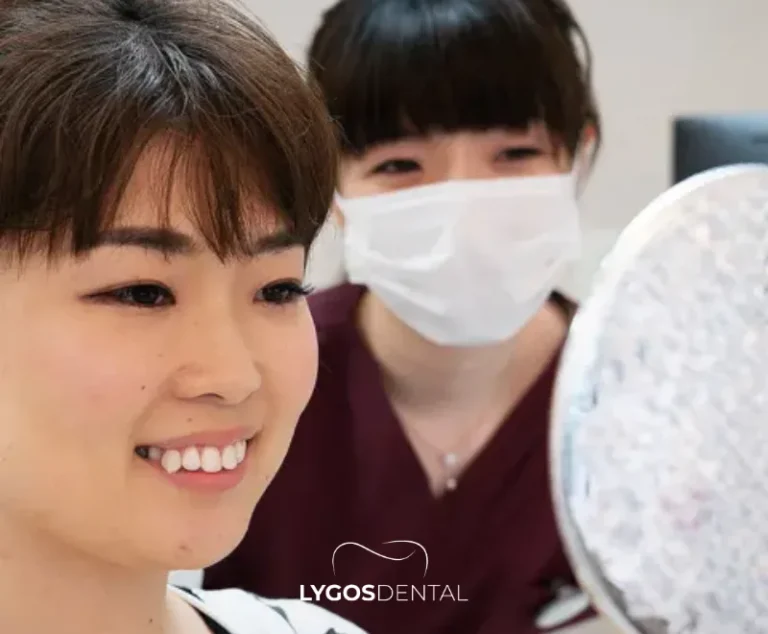
Asian countries have rich and diverse traditions concerning dental aesthetics. In Japan, a historical practice called Ohaguro involved married women dyeing their teeth black. Blackened teeth represented loyalty, nobility, and beauty. This is one of the most striking examples within Aesthetic Practices in Dentistry Across Different Cultures.
Today, countries such as Japan, South Korea, and China combine technology with aesthetic dentistry. In Korea, attention to facial details such as aegyo sal (the small puffiness under the eyes when smiling) has also influenced smile design. A natural, slightly imperfect, yet sincere smile has become the trend.
Korean clinics frequently use digital smile design, ceramic veneers, and minimally invasive treatments. Their aesthetic ideal tends to favor a softer and more natural look compared to the Western preference for perfect symmetry. This clearly demonstrates the cultural flexibility within Aesthetic Practices in Dentistry Across Different Cultures.
In Africa and the Middle East, teeth are valued not only for their function in chewing but also as symbols of beauty and cultural identity. In some African tribes, teeth have been filed or carved to create signs of beauty, courage, and social status—among the oldest examples of Aesthetic Practices in Dentistry Across Different Cultures.
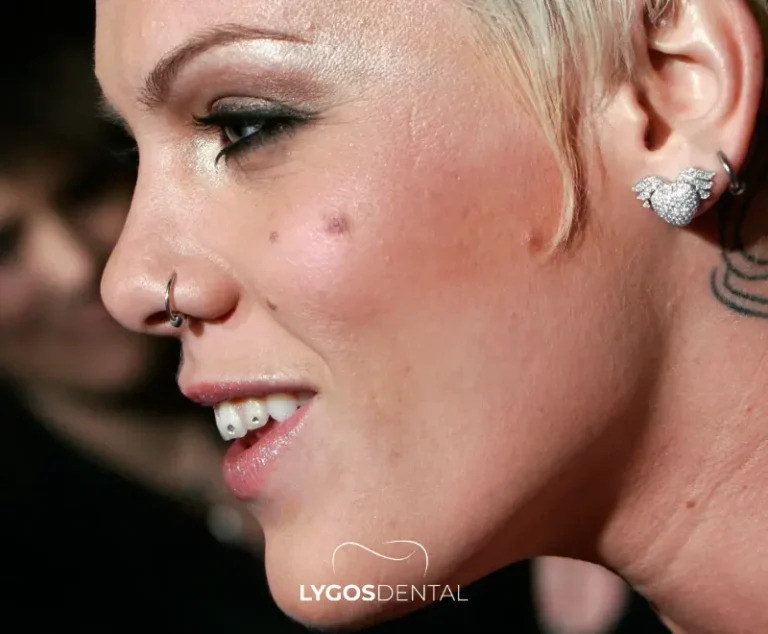
In regions such as Sudan and Ethiopia, gold tooth decorations are common, symbolizing both beauty and wealth. Similarly, in the Middle East, gold-plated teeth and jeweled dental accessories have been used by women for centuries. Today’s trend of “dental piercings” can trace its roots back to these traditional practices.
Modern aesthetic dentistry has transformed these traditions into stylish, contemporary forms. Gold or diamond dental jewelry is now used not only as a cultural symbol but also as a fashion and personal expression statement. This shows how Aesthetic Practices in Dentistry Across Different Cultures bridge the gap between past and present.
While dental aesthetics in the past were deeply connected to cultural symbolism, globalization has given it a more universal dimension. Yet, many ancient practices continue to inspire modern techniques. For example, African tooth adornment traditions evolved into today’s “smile jewelry” trends, while Japan’s black-tooth custom has been reinterpreted as a form of individual style expression.
This transformation represents a significant paradigm shift in Aesthetic Practices in Dentistry Across Different Cultures. Modern aesthetic dentistry is no longer just about beauty—it is also a modern interpretation of cultural heritage.
With the widespread use of digital technologies, personalized smile design, 3D-printed veneers, and laser-assisted treatments have become standard practices worldwide. However, since every culture’s sense of beauty differs, aesthetic dentistry will always retain a distinct cultural character.
Today, aesthetic dental treatments practiced across the world reflect a blend of cultural influences. Aesthetic Practices in Dentistry Across Different Cultures best illustrate this diversity.
These treatments show that Aesthetic Practices in Dentistry Across Different Cultures have reached a global dimension—making aesthetic dentistry a form of intercultural communication.
Throughout history, cultures have attributed different meanings to dental aesthetics. In the West, white and symmetrical teeth represent success; in Africa, decorated teeth symbolize strength; and in Asia, they once represented loyalty. Today, these diverse meanings are harmonized in modern aesthetic dentistry.
Aesthetic Practices in Dentistry Across Different Cultures successfully blend the traditions of the past with modern technology, creating a balance between aesthetics and cultural identity. Every person’s smile is unique—hence, aesthetic dentistry is not a universal beauty standard but a personal expression of identity.
You can contact us here to learn more about Cosmetic Dentistry, Dental Crown, Dental Implant and General Dentistry to make an appointment and to get information about our services.
No. Aesthetic dentistry aims not only to make teeth look beautiful but also to ensure they are healthy, functional, and harmonious with the face. Thus, aesthetic treatments consider both health and appearance.
Because each culture’s perception of beauty is shaped by history, tradition, social status, and symbolic meaning. For instance, while white, symmetrical teeth represent prestige in the West, blackened teeth once symbolized nobility in Japan.
Many modern aesthetic techniques draw inspiration from traditional customs. For example, African tooth decoration has evolved into today’s “dental piercing” trend, and Asia’s natural smile ideal has influenced minimally invasive aesthetic approaches.
Yes, they do. In the West, very white and symmetrical teeth are preferred, whereas in Asia, softer tones and more natural lines are favored. Aesthetic dentists often design smiles tailored to the patient’s cultural background.

Special Note:
Our treatments are provided by healthcare facilities that possess a health tourism authorization certificate
Special Note: Our treatments are provided by healthcare facilities that possess a health tourism authorization certificate
Selenium Retro, Ataköy 7-8-9-10. Kısım, D-100 Güney Yanyolu No:18/A, 34158 Bakırköy/İstanbul
© 2025, LYGOS DENTAL. All Rights Reserved.