
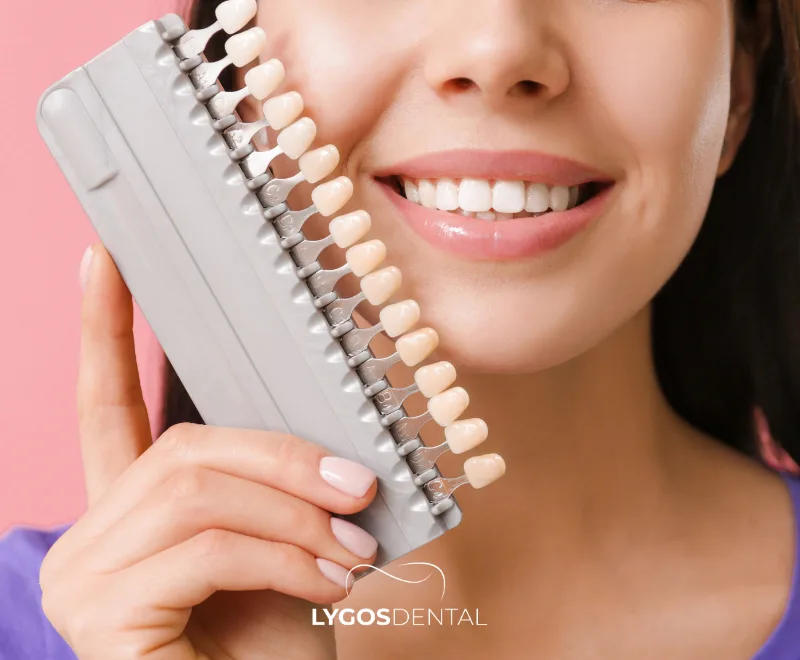
Today, smile aesthetics are closely related not only to health but also to self-confidence. Tooth discoloration, fractures, wear, or deformities can be distressing for many people. Aesthetic dentistry offers effective solutions to these problems, and among the most preferred methods are porcelain and laminate veneers. However, many people do not fully understand the differences between these two types of veneers. In this article, we will examine in detail the Porcelain vs Laminate Veneers.
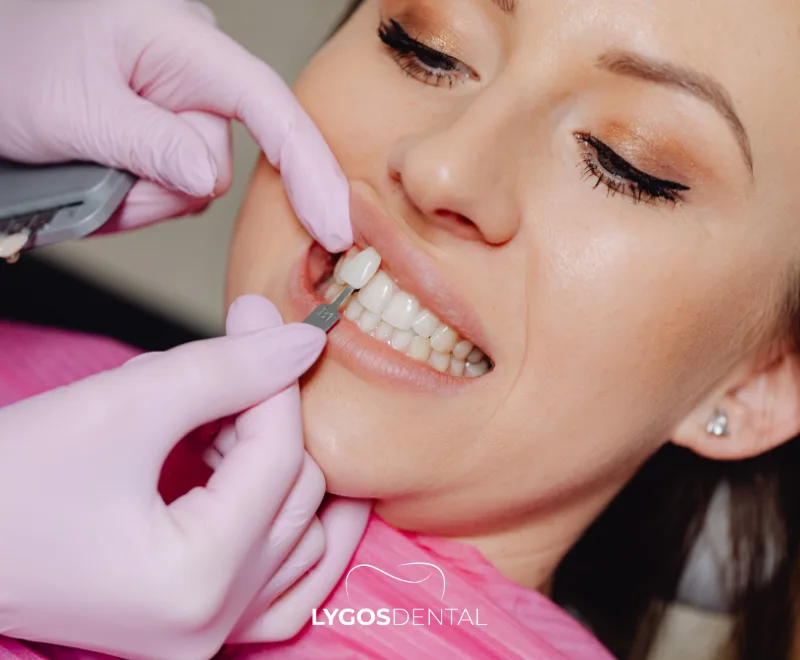
Laminate veneers, also known as “leaf porcelains,” are extremely thin porcelain layers bonded to the front surfaces of the teeth to create an aesthetic appearance. They are typically 0.3 – 0.7 mm thick and require minimal alteration of the natural tooth structure.
Laminate veneers are ideal for correcting minor misalignments, gaps, or color discrepancies. Their main advantage is that they can be applied without significant damage to the tooth enamel, as only a very thin layer is removed from the front surface of the tooth.
This method is highly effective aesthetically and is particularly preferred by people who want to maintain a natural look on their front teeth. As we will discuss later in the Porcelain vs Laminate Veneers, laminate veneers offer a more conservative treatment option.
Porcelain veneers (also known as porcelain crowns) are aesthetic restorations that cover the entire tooth. They are generally used when a tooth is severely worn, fractured, or has large fillings. In this procedure, a certain amount of enamel is removed from around the tooth, and the entire surface is covered with porcelain material.
Porcelain veneers are highly durable, making them suitable for use on back teeth as well. Thanks to their color compatibility, translucency, and long lifespan, they provide a natural tooth-like appearance. They are also resistant to staining and can last for many years with proper care.
When comparing Porcelain and Laminate Veneers, it is clear that porcelain veneers provide a more comprehensive restoration — improving not only aesthetics but also tooth function and strength.
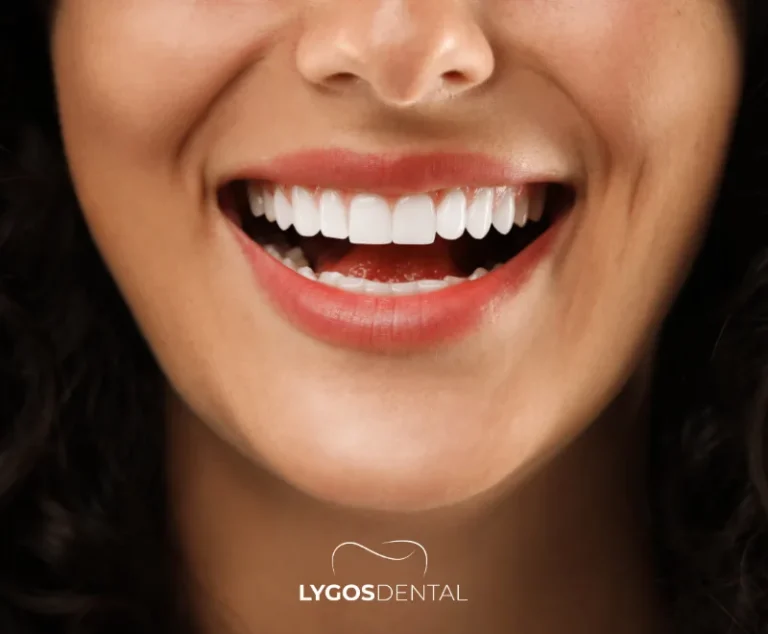
The Porcelain vs Laminate Veneers can be evaluated in terms of application technique, thickness, durability, and area of use. Below are the main distinctions:
These distinctions are the most significant Porcelain vs Laminate Veneers. The choice between them depends on the tooth’s condition and the patient’s expectations.
Although the Porcelain vs Laminate Veneers are notable, they also share many similarities:
In short, while there are distinct Porcelain vs Laminate Veneers, their shared benefits make both indispensable in aesthetic dentistry.
The Porcelain vs Laminate Veneers are also reflected in their cost. Prices vary depending on the materials used, laboratory quality, dentist’s expertise, and the number of teeth treated.
As of 2025, laminate veneer prices in Turkey may vary from clinic to clinic.
The important point to note is that you should choose the most appropriate treatment, not the cheapest option. This is because the differences between porcelain and laminate veneers are important not only in terms of aesthetics but also in terms of longevity.
The question “Which is better: porcelain or laminate?” is very common among patients. There is no single correct answer, as each person’s dental structure and expectations differ.
In short, the best option is individualized. The most appropriate choice should be made after a dental examination.
It is important to note that the Porcelain vs Laminate Veneers should be evaluated not only from an aesthetic perspective but also functionally. The goal is not only a beautiful smile but also a healthy oral structure.
Laminate veneers stand out for their natural look, thinness, and minimally invasive nature. Porcelain veneers are preferred for their strength and durability. Both can deliver beautiful smiles — the key is personalized planning.
In conclusion, understanding the Porcelain vs Laminate Veneers helps patients and dentists choose the most suitable, functional, and aesthetic treatment.
You can contact us here to learn more about Cosmetic Dentistry, Dental Crown, Dental Implant and General Dentistry to make an appointment and to get information about our services.
It depends on the individual’s dental condition and expectations. Laminate veneers are ideal for patients with minimal wear or discoloration, while porcelain veneers are better for heavily restored or damaged teeth.
Typically, laminate veneers are completed in 2 to 3 sessions. After measurements are taken, the veneers are prepared in a lab and bonded with special adhesives. The duration may vary depending on the number of teeth and the patient’s oral structure.
Yes, porcelain veneers are very durable. With proper care, they can last 10–15 years or more. They are particularly suitable for back teeth because they withstand chewing forces well.
No — when applied by a professional dentist, veneers do not harm the teeth. Laminate veneers involve minimal enamel removal, while porcelain veneers require more preparation, but both preserve dental health when done correctly.
Brush and floss regularly, visit your dentist every six months, and avoid biting hard objects or using your teeth as tools. Proper care ensures long-lasting results for both porcelain and laminate veneers.

Special Note:
Our treatments are provided by healthcare facilities that possess a health tourism authorization certificate
Special Note: Our treatments are provided by healthcare facilities that possess a health tourism authorization certificate
Selenium Retro, Ataköy 7-8-9-10. Kısım, D-100 Güney Yanyolu No:18/A, 34158 Bakırköy/İstanbul
© 2025, LYGOS DENTAL. All Rights Reserved.