
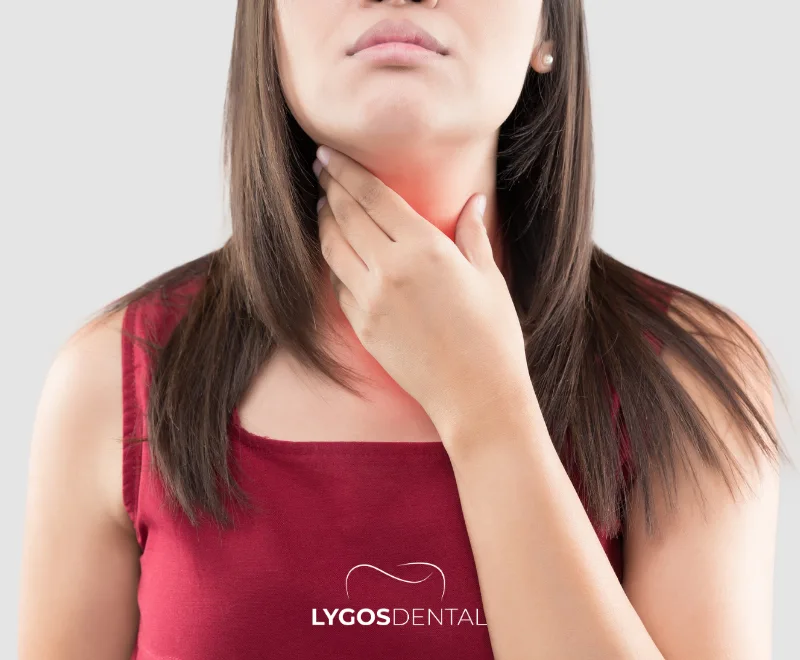
The thyroid is an important gland that regulates the body’s metabolism, energy balance, and the functions of many organs. However, thyroid disorders do not only affect hormone levels—they can also directly impact oral and dental health. The effects of thyroid disorders on dental health can unknowingly lead to dental problems. In this article, we will discuss how thyroid disorders affect oral health, which dental issues they can cause, and dental care recommendations for patients with thyroid conditions.
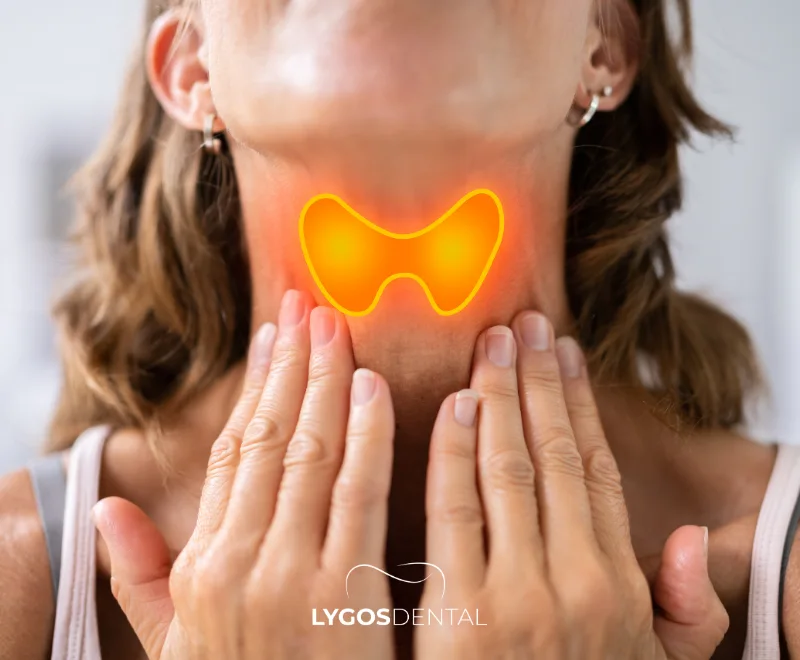
Various disorders can arise when the thyroid gland produces insufficient or excessive hormones. The main thyroid disorders include:
Thyroid disorders not only disrupt hormone balance but are increasingly recognized as a factor affecting dental health. Oral dryness, gum problems, and cavities are directly linked to thyroid issues.
Thyroid disorders can have various impacts on oral and dental health, generally related to hormone imbalances and changes in overall metabolism. These effects may include:
Thus, the effects of thyroid disorders on dental health are not just cosmetic—they can lead to serious oral health problems.

Hypothyroidism, characterized by insufficient hormone production, slows metabolism and significantly affects oral health. The connections between hypothyroidism and oral health include:
Even when hormone levels are corrected with treatment, some oral changes may be irreversible. Therefore, the impact of thyroid disorders on dental health should not be ignored.
Hyperthyroidism, caused by excessive hormone production, accelerates metabolism and can contribute to dental problems. Its effects on oral health include:
Hyperthyroid patients need to be extra vigilant about oral hygiene, as dental issues can progress more rapidly.
Medications used to treat thyroid disorders can also directly impact oral and dental health. Examples include:
Therefore, the impact of thyroid disorders on dental health may stem not only from the disease itself but also from its treatment. Coordination between dentists and endocrinologists is crucial to minimize these risks.

Thyroid patients should take certain precautions to protect their oral and dental health. Recommendations include:
Following these recommendations can significantly reduce the impact of thyroid disorders on dental health and maintain oral well-being.
Thyroid disorders affect multiple body systems, including oral and dental health. Both hypothyroidism and hyperthyroidism can lead to problems ranging from cavities to gum disease. Thyroid medications can also have side effects on oral health. Therefore, thyroid patients must be conscious of dental care and maintain regular check-ups. Early precautions and proper care can greatly mitigate the dental impact of thyroid disorders. A healthy mouth is essential for overall health and should be a priority for thyroid patients.
You can contact us here to learn more about Cosmetic Dentistry, Dental Crown, Dental Implant and General Dentistry to make an appointment and to get information about our services.
Yes. Conditions like hypothyroidism and hyperthyroidism can reduce saliva production, leading to dry mouth, cavities, and bad breath.
Yes. Hormonal imbalances and dry mouth make thyroid patients more susceptible to cavities. Regular brushing and flossing are important.
Some thyroid medications can cause dry mouth, taste changes, and gum sensitivity. These effects vary between individuals.
Hypothyroidism typically causes dry mouth, gum inflammation, and tongue swelling, while hyperthyroidism can lead to tooth sensitivity, increased cavity risk, and gum bleeding.

Special Note:
Our treatments are provided by healthcare facilities that possess a health tourism authorization certificate
Special Note: Our treatments are provided by healthcare facilities that possess a health tourism authorization certificate
Selenium Retro, Ataköy 7-8-9-10. Kısım, D-100 Güney Yanyolu No:18/A, 34158 Bakırköy/İstanbul
© 2025, LYGOS DENTAL. All Rights Reserved.