

Temporomandibular joint (TMJ) disorders are a common yet often overlooked health issue in society. Jaw exercises for TMJ patients are one of the most effective and natural ways to cope with this condition. In this article, we will explore what TMJ is, its symptoms, why exercises are necessary, and the exercises that can be done at home in detail. We’ll also explain the precautions to take while exercising and when to consult a doctor.
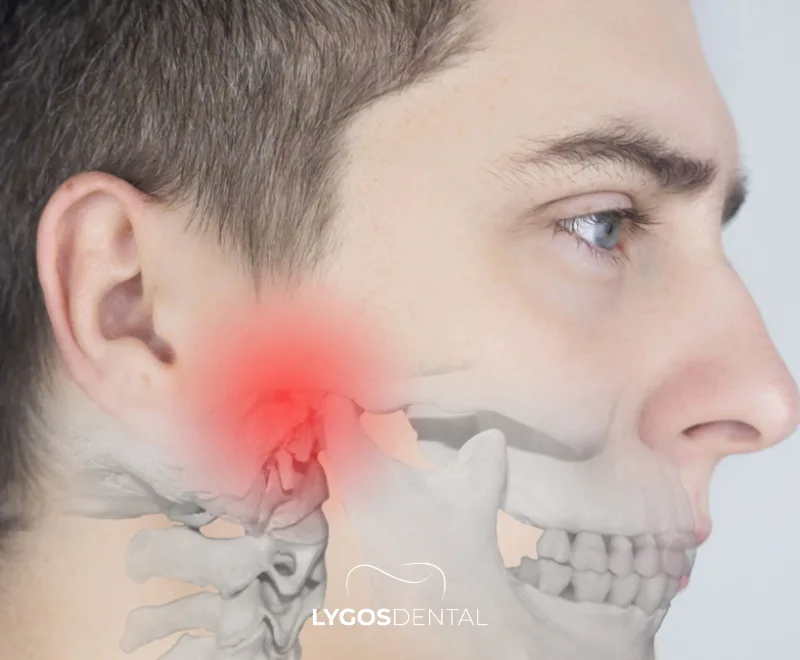
TMJ stands for temporomandibular joint, which connects the lower jaw (mandible) to the skull. It plays a vital role in functions like chewing, speaking, and yawning. TMJ disorders involve problems in this joint or the surrounding muscles.
Jaw exercises for TMJ patients can help improve mobility in this joint and reduce discomfort. Jaw joint issues are health problems that can worsen over time and significantly affect daily life quality.
The symptoms of TMJ disorders can vary from person to person. However, the following signs may suggest a TMJ issue:
Jaw exercises for TMJ patients are a complementary practice that helps alleviate these symptoms, especially by improving jaw opening and strengthening muscles.

TMJ disorders are often treated using non-surgical methods, including medication, splint (night guard) therapy, and physical therapy. Jaw exercises for TMJ patients can support these treatments and accelerate recovery.
Key reasons jaw exercises are important in TMJ treatment:
Regular exercises can contribute to a pain-free and more comfortable life for TMJ patients. Moreover, most of these exercises are simple enough to do at home.
Jaw exercises for TMJ patients are not complicated. Just a few minutes each day can help preserve jaw function and reduce pain. Here are a few exercises you can easily do at home:
These simple techniques can provide long-term benefits when done regularly. However, if you feel pain, you should stop the exercises immediately.
Jaw exercises for TMJ patients are effective when done correctly, but there are important guidelines to follow. Improper exercises can do more harm than good. Things to keep in mind:
These exercises are only effective when done regularly and consciously. If any movement causes pain, stop immediately and consult a professional.

Although jaw exercises can be very helpful, some situations require professional intervention. Jaw exercises for TMJ patients can ease symptoms, but the following conditions warrant medical attention:
Jaw exercises are a crucial part of TMJ treatment but may not be sufficient alone. It’s important to work with a jaw surgeon, physical therapist, or dentist.
You can contact us here to learn more about Cosmetic Dentistry, Dental Crown, Dental Implant and General Dentistry to make an appointment and to get information about our services.
Yes, when done correctly and regularly, jaw exercises can reduce pain, improve jaw mobility, and help balance the muscles. However, exercises should be personalized.
Typically, 2–3 times a day with 5–10 minutes per session is recommended. However, this can vary based on individual needs and medical advice.
If you experience sharp pain during an exercise, stop immediately and consult a healthcare professional. Mild tension is normal, but sharp pain indicates improper technique or overexertion.
With consistent practice, noticeable relief can be seen within 2–4 weeks. However, this timeline may vary depending on the severity of the disorder and your overall health.

Special Note:
Our treatments are provided by healthcare facilities that possess a health tourism authorization certificate
Special Note: Our treatments are provided by healthcare facilities that possess a health tourism authorization certificate
Selenium Retro, Ataköy 7-8-9-10. Kısım, D-100 Güney Yanyolu No:18/A, 34158 Bakırköy/İstanbul
© 2025, LYGOS DENTAL. All Rights Reserved.