

Rheumatic diseases are chronic conditions that affect not only the musculoskeletal system but also many other parts of the body. One often overlooked yet significant effect of these diseases is on oral and dental health. In recent years, the connection between rheumatic diseases and oral health has gained increasing attention in both medical and dental fields. In particular, autoimmune-related conditions such as inflammatory rheumatism can lead to gum problems and various issues within the mouth. This article will explore the impact of rheumatic diseases and oral health in a comprehensive manner.
Rheumatic diseases occur when the immune system malfunctions and begins attacking the body’s own tissues, usually involving inflammatory processes. The most well-known rheumatic diseases include:
These diseases not only affect joints but can also impact the skin, kidneys, lungs, and other organs. The effect of rheumatic diseases on oral health stems from this systemic involvement.
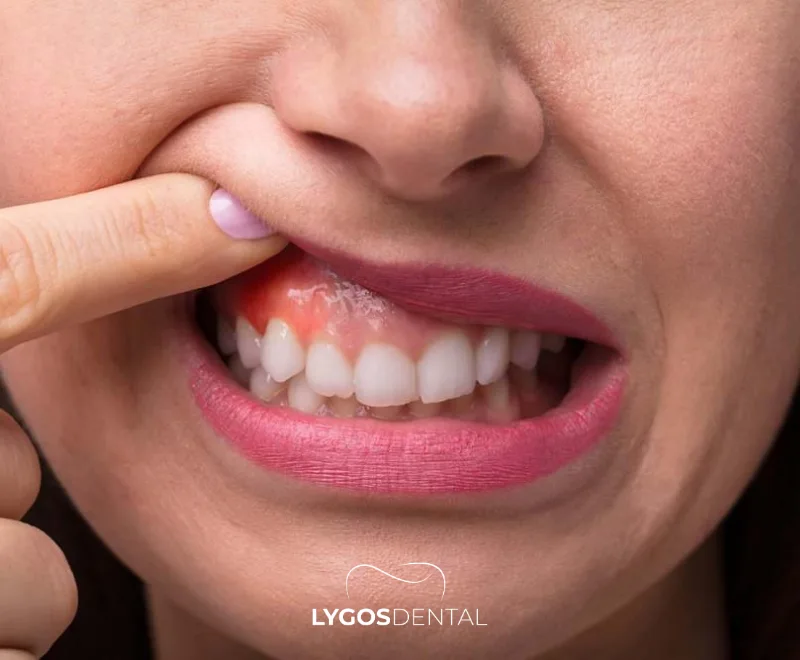
Oral health is often neglected in people with rheumatic diseases, but this can lead to serious complications over time. Common oral and dental issues observed in patients with rheumatic conditions include:
These symptoms not only reduce quality of life but may also worsen the course of rheumatic diseases. The severity and type of oral problems can vary depending on the type and intensity of the rheumatic condition, but increased oral inflammation is generally a common feature.
Rheumatoid Arthritis (RA) is an autoimmune disease that causes chronic inflammation in the joints. This inflammatory process can affect not only large joints but also the jaw joint and gums:
Rheumatoid Arthritis plays a distinct role among rheumatic diseases in its impact on oral health. Therefore, it is crucial for dental professionals to give special attention to this patient group.
Interestingly, not only do rheumatic diseases affect oral health, but gum diseases may also contribute to the development or worsening of rheumatism. Studies have shown that periodontal diseases can activate the immune system and raise inflammation levels. This may exacerbate autoimmune conditions such as rheumatoid arthritis:
Hence, the relationship between rheumatic diseases and oral health is bidirectional. Maintaining control over this interaction requires collaboration between dentists and rheumatologists.
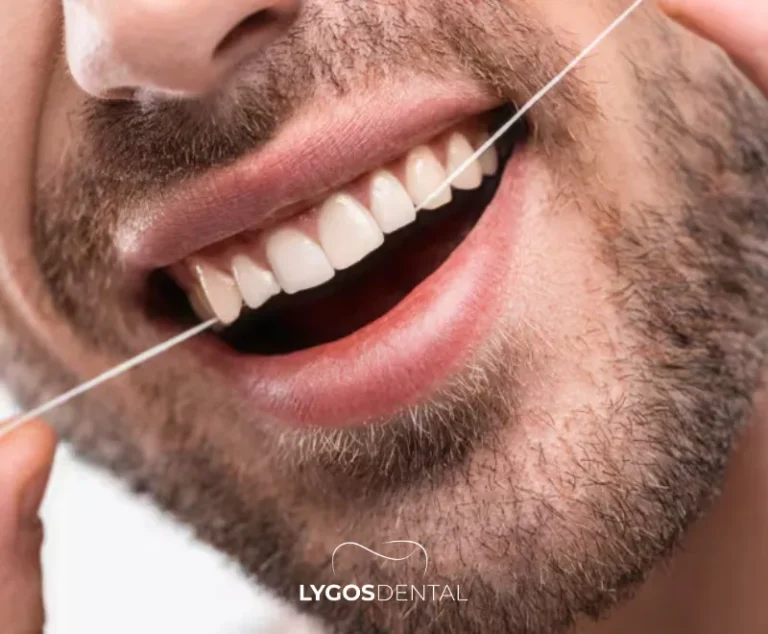
People with rheumatic diseases should pay special attention to their oral and dental health. Key practices include:
Neglecting oral health in the presence of rheumatic disease can lead to problems that negatively affect overall health.

Rheumatic diseases are often treated with medications that suppress the immune system, which can have side effects in the mouth:
As such, it is essential for patients undergoing rheumatic treatment to stay in regular contact with their dentists. Dental treatments should be planned in coordination with the patient’s rheumatologist, taking medications into consideration. In some cases, antibiotic prophylaxis or temporary discontinuation of medications may be necessary before dental procedures. A disciplined and collaborative approach is essential for smooth treatment management.
You can contact us here to learn more about Cosmetic Dentistry, Dental Crown, Dental Implant and General Dentistry to make an appointment and to get information about our services.
Yes. Especially in inflammatory types of rheumatism, the immune system’s involvement can trigger gum disease, leading to gum recession, bleeding, and even tooth loss.
Regular oral care, proper brushing techniques, flossing, use of mouthwash, saliva-enhancing products, and routine dental visits can all help. Monitoring drug-related side effects in the mouth is also important.
Yes. Gum inflammation can increase systemic inflammation, thereby worsening the severity of rheumatic diseases. This is why periodontal treatment is crucial.
Fluoride-containing, antibacterial, and sensitivity-reducing toothpastes are recommended. For those with dry mouth, special moisturizing toothpaste products may be beneficial.

Special Note:
Our treatments are provided by healthcare facilities that possess a health tourism authorization certificate
Special Note: Our treatments are provided by healthcare facilities that possess a health tourism authorization certificate
Selenium Retro, Ataköy 7-8-9-10. Kısım, D-100 Güney Yanyolu No:18/A, 34158 Bakırköy/İstanbul
© 2025, LYGOS DENTAL. All Rights Reserved.